
85mm Lenses: Everything You Need to Know
Summary of 85mm Lenses
I’ve been using 85mm lenses as a professional photographer for over a decade and they continue to be an important part of my kit. This articles outlines everything you need to know about 85mm lenses.
If you want an advanced optical formula for the best portraits, get an 85mm lens. The build quality on an 85mm f/1.4 lens is hard to beat and the superb combination of background separation and bokeh that it can create will make your images stand out.
While they often don’t come with many advanced features like image stabilization (shake correction), they often have durable design that will last many years of heavy use.
An 85mm lens will excel in low light situations, for shooting events, or for capturing stunning portraits with buttery bokeh. Shoot wide open and you can almost hide anything in a backdrop.
An 85mm lens works great whether you are shooting handheld landscapes or tripod portraits. I’ve taken mine to a variety of harsh environments and it continues to deliver in virtually any application!
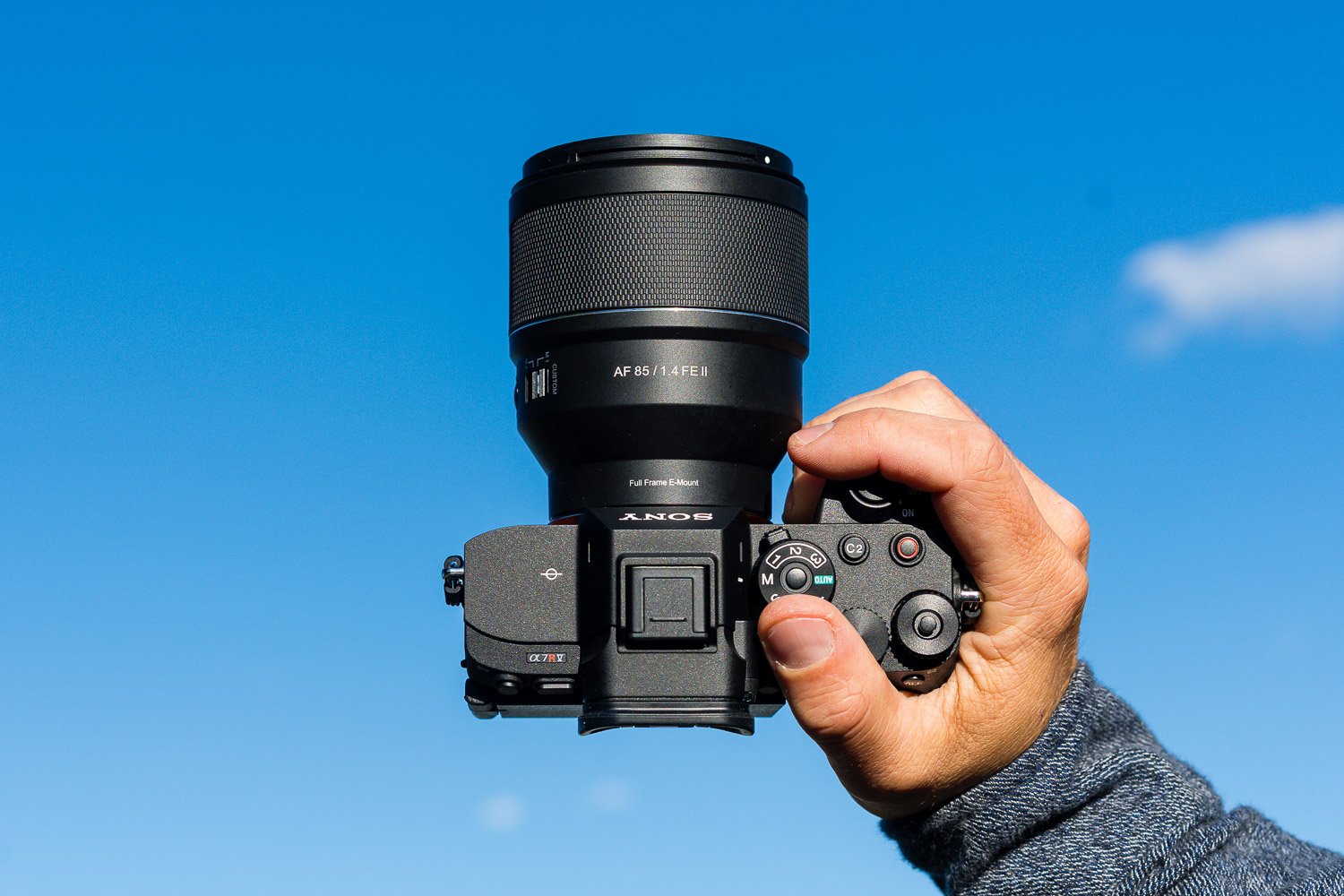
Sony A7RV + Samyang 85mm f/1.4
What is an 85mm lens?
Simply put: a lens with an 85mm focal length. Unlike zoom lenses that cover a large focal range, prime lenses like an 85mm are fixed and do not zoom. An 85mm lens will often be much sharper and better in very low light conditions than it’s equivalent zoom lens.
If you prioritize image quality over flexibility get a prime lens. Check my suggestions below for the best models by camera system.
Other lenses that are often available as primes are 35mm and 50mm. Most prime lenses are incredibly sharp which is why most people choose them. Having all three is a versatile combination.
What is the 85mm lens good for?
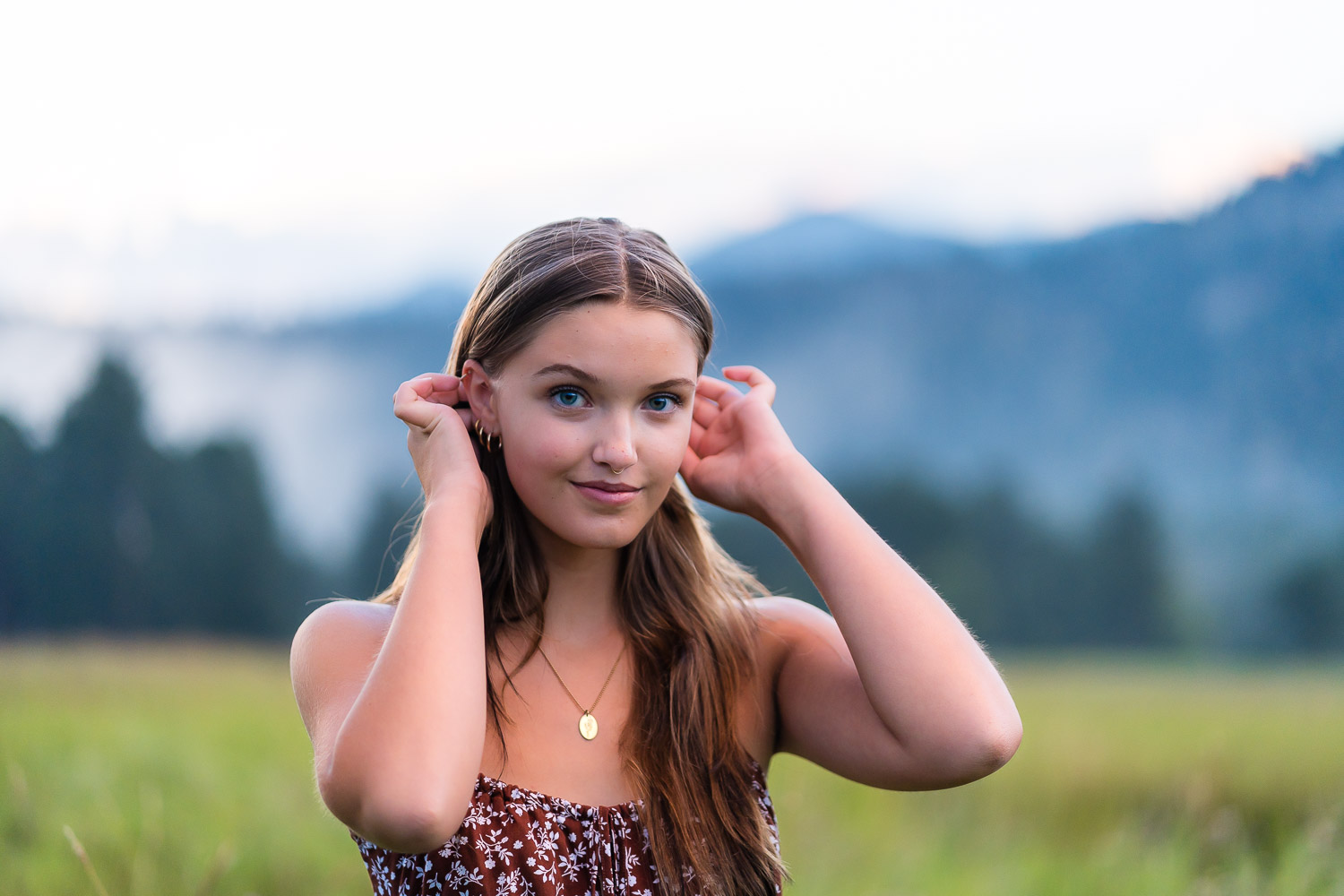
Sony A7IV + Sony 85mm f/1.8
So you’re thinking of getting an 85mm lens? This is a classic portrait lens and is the perfect focal length for making your subjects look natural and beautiful.
If you’re not already familiar, different lenses render subjects in a variety of ways. Wide angle lenses are great for capturing large scenes but the 85mm focal length is excellent at rendering subjects naturally without distortion.
While an 85mm lens can be used for a variety of subjects from landscapes to action shots, it thrives at making beautiful bokeh (shallow depth of field). Bokeh is often associated with a portrait lens by photographers because it draws the focus to the subject.
If you’re a wedding or portrait photographer, an 85mm lens is essential. Often people get sticker shock when checking the price of fast name brand options but there is an 85mm lens for almost every budget. My suggestions are:
Best 85mm Lenses for Sony Mirrorless (my preferred camera system):
Mid Grade Fast Aperture 85mm Lens
Best 85mm Lenses for Canon RF Mirrorless:
Best 85mm Lenses for Nikon Z Mirroless:
Why 85mm is Perfect for Portraits?
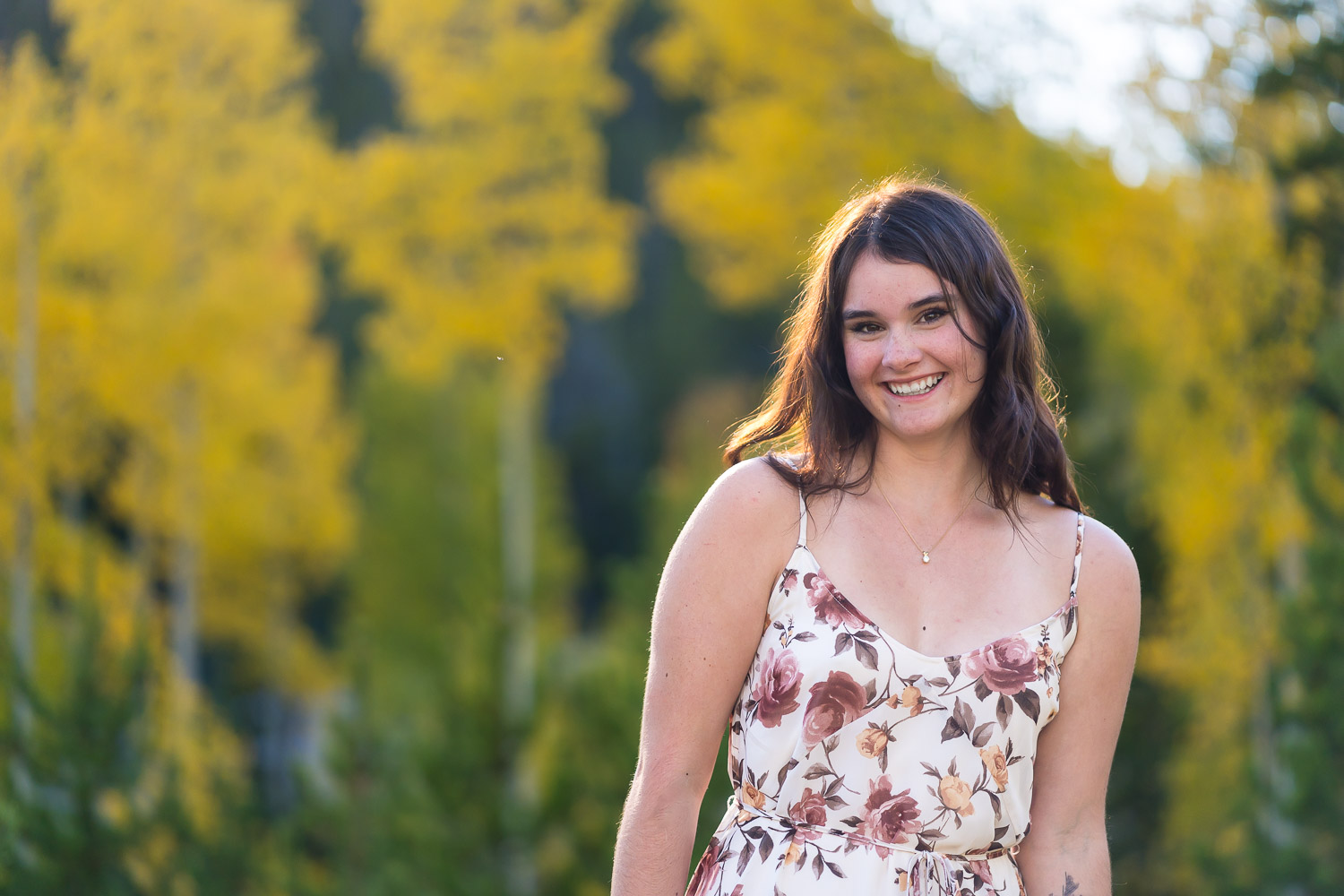
Sony A7IV + Sony 85mm f/1.8
Have you ever taken a closeup or portrait photography with a super wide angle lens? Me neither. Use an 85mm lens and your clients will be singing your praises.
An 85mm lens is perfect for professional photographer for portraits because it renders people in their most natural and flattering proportions. Because of the telephoto nature of the 85mm focal length, it creates low distortion images that will make your clients appreciate the look of the images.
Additionally, an 85mm lens is a prime lens. This means it has a fixed focal length and doesn’t zoom. Because of the optical design, it allows for a wider maximum of aperture range (usually f/1.2 to f/1.8) that will allow you to blur the backdrop.
Shooting portraits at f/1.4 on a nice portrait lens creates beautiful out of focus backgrounds or bokeh. This naturally draws the eye to the person and de-emphasizes anything distracting in the background.
Other lenses you could consider for portraits are the 35mm and 50mm but none are as flattering on the face.
What is the best 85mm lens for Sony?
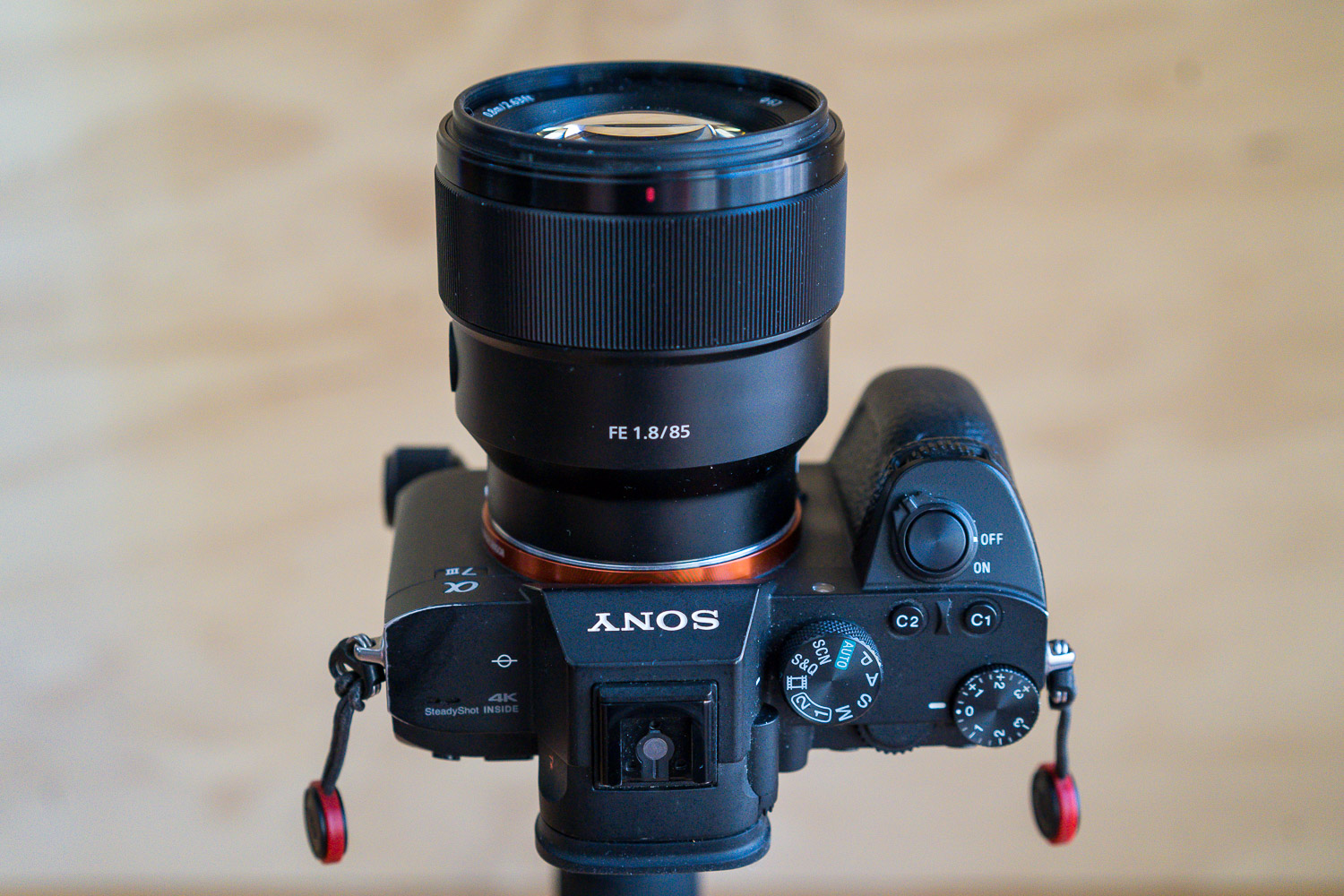
Because I use the Sony camera system, I have some advice for the best 85mm lens for e-mount cameras. Lets talk through a few options:
Sony 85mm f/1.8
This is an awesome, affordable, and good quality lens. I’ve personally used it for years. In the following review video I cover this great lens in more detail.
To quickly summarize, this lens produces good quality and incredibly sharp images for a good price (check the price here). It has some color fringing and isn’t as sharp in the corners wide open. The autofocus is quite good. For the price, I highly recommend this lens.
Samyang 85 f/1.4 ii for Sony E-Mount
Check out the review video or read on below to learn why I think the Samyang 85mm f/1.4 is an awesome alternative to the Sony 85mm f/1.8.
To quickly summarize, this is a fantastic lens for the price. The Rokinon version which is identical to the Samyang just branded differently, is also currently available for the same price as the Sony 85mm f/1.8. If you want an 85mm that offers an f/1.4 aperture instead of f/1.8, this is a good option. It is still quite affordable, offers good image quality, and has solid overall performance.
Sony 85mm f/1.4 GM
This is the top of the line Sony 85mm lens and the price reflects that. For around $1800, you can expect the highest image quality and best autofocus. If you are a professional portrait or headshot photographer who doesn’t want to compromise, this is the 85 mm lens for you.
For the Sony E-mount system, the 85mm f/1.4 GM lens is going to give you the best image quality possible. Especially if you are shooting with a high resolution camera like the Sony A7RVSony A1, you should consider getting the best quality lenses you can.
50mm vs 85mm
It can be difficult to decide between 85mm and 50mm when you’re choosing a lens. Both focal lengths can capture beautiful portraits.
My opinion is that the 85mm focal length thrives at capturing closeup portraits that are more headshot style where as the 50mm is better suited to capturing 3/4 length or full length portraits.
I much prefer the rendering of a closeup portrait (think headshots) at 85mm to 50mm. An 85mm can also beautifully render a full length portrait but you will have to back up quite a lot.
If you want a little more bokeh, go with the 85mm, if you want a more flexible lens that can be used in smaller spaces, get the 50mm lens. Because they are so popular and common, 50mm lenses are often cheaper.
Should I get an 85mm f/1.4 or f/1.8 lens?
Sony A7IV + Sony 85mm f/1.8
The simple answer is get whatever lens you can afford.
The f/1.4 lens will give you slightly better bokeh and low light performance but the difference is relatively small. Because the lens body the f/1.4 is often the flagship lens from the manufacturere in that focal length, it will likely be higher quality.
If you want to save some money, go with the f/1.8 version. It may sacrifice image quality but we are talking about a minimal difference that most clients won’t be able to notice.
Should I get an 85mm lens for my APS-C camera?
You might be wondering if an 85mm lens will work on an APS-C camera (smaller sensor than a full frame camera) like the Sony a6000 series of cameras (think Sony a6400, a6700, etc). If you have a DSLR cameras like the Canon 80d, the same principles apply.
Put simply, it will look great. The APS-C sensor size crops in to make the 85 an equivalent of a 127mm lens. It will have the same amount of bokeh and beautiful rendition of portraits but you will have to back up further.
If you are working in an environment with less space, you may consider a 50mm lens instead but you will sacrifice background seperation and bokeh.
85mm Lens Sample Images
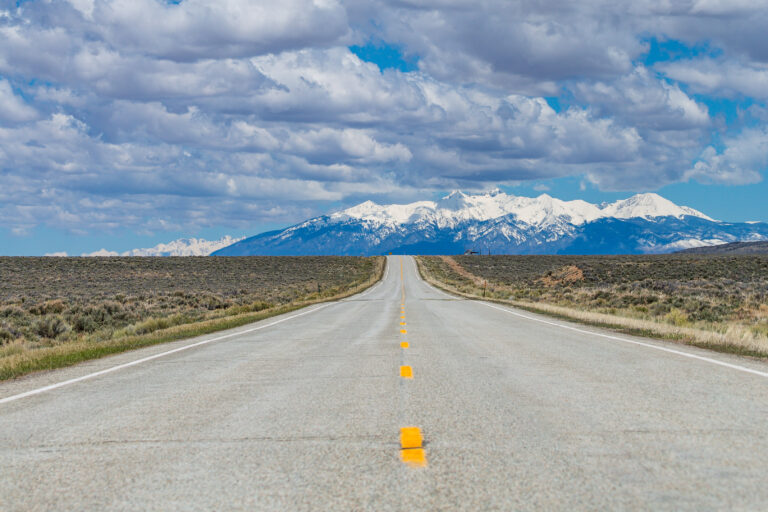
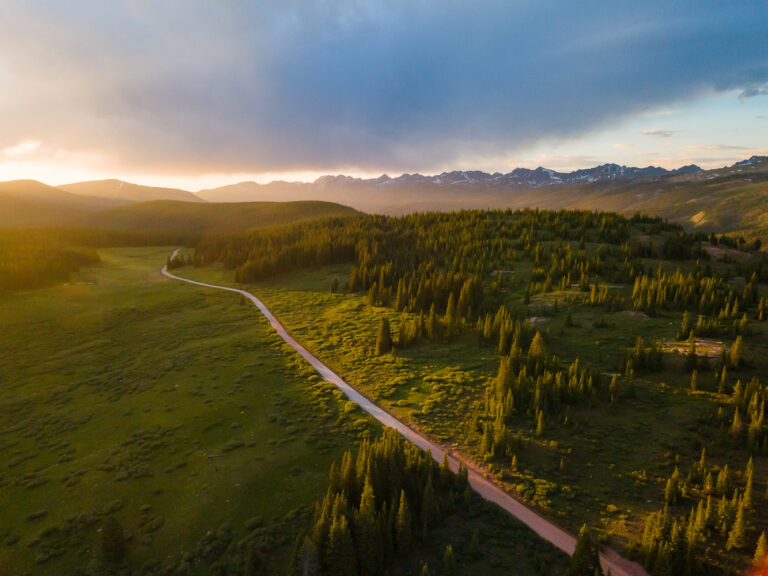
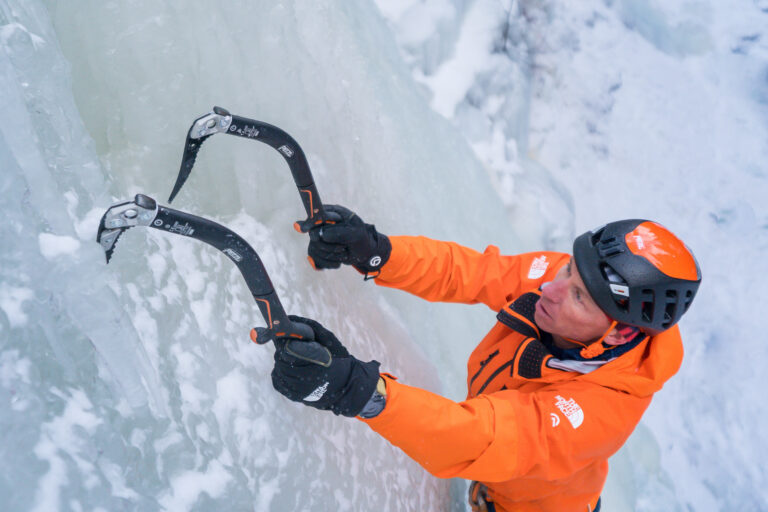
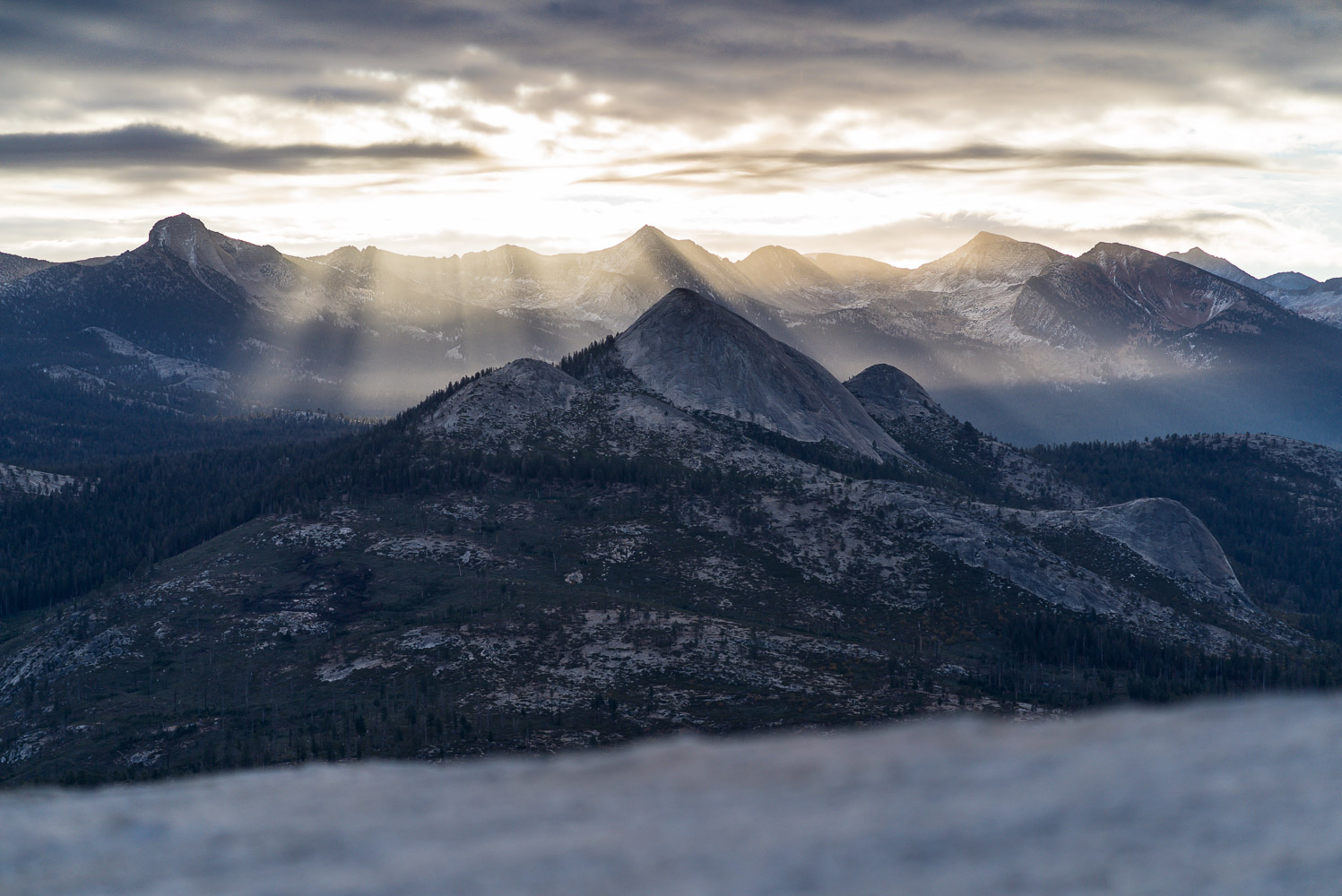
Here are some sample images taken with various other mirrorless cameras and dslr cameras with 85mm lenses:
Conclusion
Thanks so much for stopping by our blog. If you have any questions about what 85mm lens to get or anything else, please leave a comment below!
About the Authors
We’re the Bergreens, a photography team based in Evergreen, Colorado. On the blog, we share my favorite gear tips. You can find everything you need to know about drone photography including drone accessories as well as more gear guides such as this ND filter guide.
Be sure to check out how to shoot with the 70-200mm lens or this 35mm to 50mm comparison. Download our free guide on how to build a creative business and a life you love. If we link to a product we love, Amazon links are affiliate links.