
How to Shoot with a Telephoto Lens: Complete Guide
Telephoto lenses are amazing. They can give you dreamy portraits with creamy background blur, compress an epic mountain range into layers of drama, or capture sporting events and wildlife from far away, bringing subjects closer .
Personally, I love telephotos because of the unique effects you can’t get with any other lens: flattering compression that makes people look beautiful, and bokeh that melts away the background so the focus is all on your subject. They make people look their best — and they make mountains look massive.
But here’s the tradeoff: telephoto lenses are heavy, intimidating, and easy to misuse. In this guide, I’ll show you how to shoot with a telephoto lens and get professional results, whether you’re using an 85mm prime, a 70–200mm zoom, or a super telephoto like a 100–400mm.
👉 Looking for gear? Check out my favorite telephoto lenses on Amazon:
Canon Telephoto Lens Favorites:
- Canon RF 85mm f/2
- Canon RF 135mm f/1.8
- Canon RF 70–200mm f/2.8
- Canon RF 70–200mm f/4
- Canon RF 100–400mm f/5.6–8 IS USM
Sony Telephoto Lens Favorites:
- Sony FE 85mm f/1.8
- Sony FE 135mm f/1.8 GM
- Sony FE 70–200mm f/2.8 GM OSS II
- Sony FE 70–200mm f/4 G OSS II
- Sony FE 100–400mm f/4.5–5.6 GM OSS
- Sigma 70–200mm f/2.8 DG DN OS Sports (E-Mount)
- Sigma 100–400mm f/5–6.3 DG DN OS Contemporary (E-Mount)
- Sigma 150–600mm f/5–6.3 DG DN OS Sports (E-Mount)
- Tamron 70–180mm f/2.8 Di III VC VXD G2
What is a Telephoto Lens?

Before we get into tips and techniques, let’s define what we mean by a telephoto lens. Not every long lens is the same, and understanding different focal lengths will help you choose the right tool for portraits, landscapes, or wildlife. Here’s a breakdown of what counts as telephoto and what makes these lenses so powerful.
A telephoto lens is typically defined as any lens with a focal length of 80mm or longer. This includes:
- Medium telephoto: 85mm–135mm (classic portrait range).
- Standard telephoto zooms: 70–200mm (versatile for portraits, weddings, events).
- Super telephoto: 300mm–600mm (wildlife, sports, astrophotography).
Telephotos provide a narrow field of view and magnify distant subjects, making them appear closer.
What does a telephoto lens do?
- Compression effect: makes distant background elements appear closer to your subject.
- Shallow depth of field: isolates your subject with beautiful background blur.
- Reach: lets you capture distant subjects without moving closer.
Why Telephoto Lenses are Special
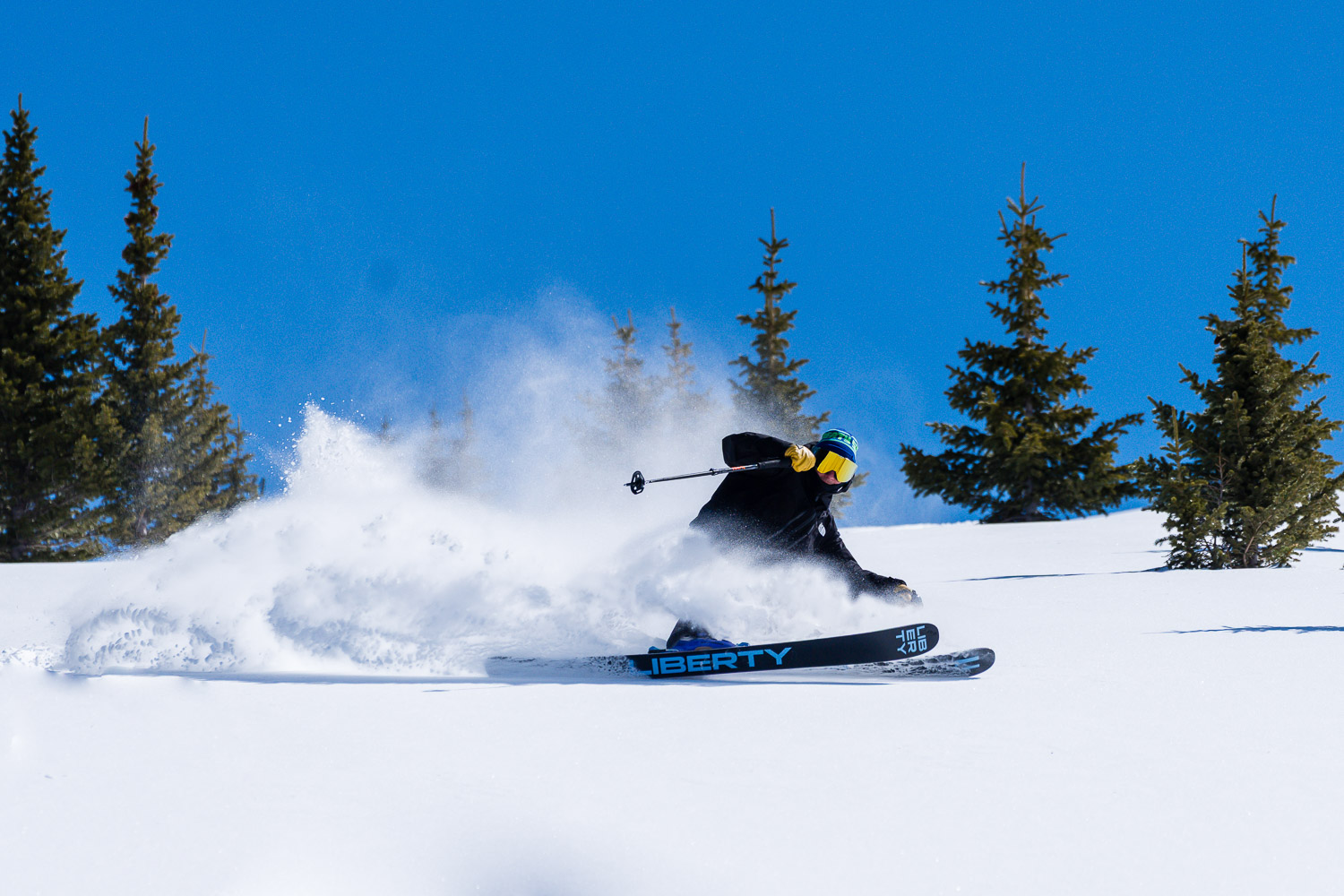
So what makes telephoto lenses stand out from other focal lengths? Beyond just “zooming in,” they change the way your photos look and feel. From flattering compression to creamy background blur, here are the creative effects that make telephotos special.
Compression
Telephoto lenses flatten perspective. This is flattering in portraits (faces look proportional) and dramatic in landscapes (mountains appear stacked).
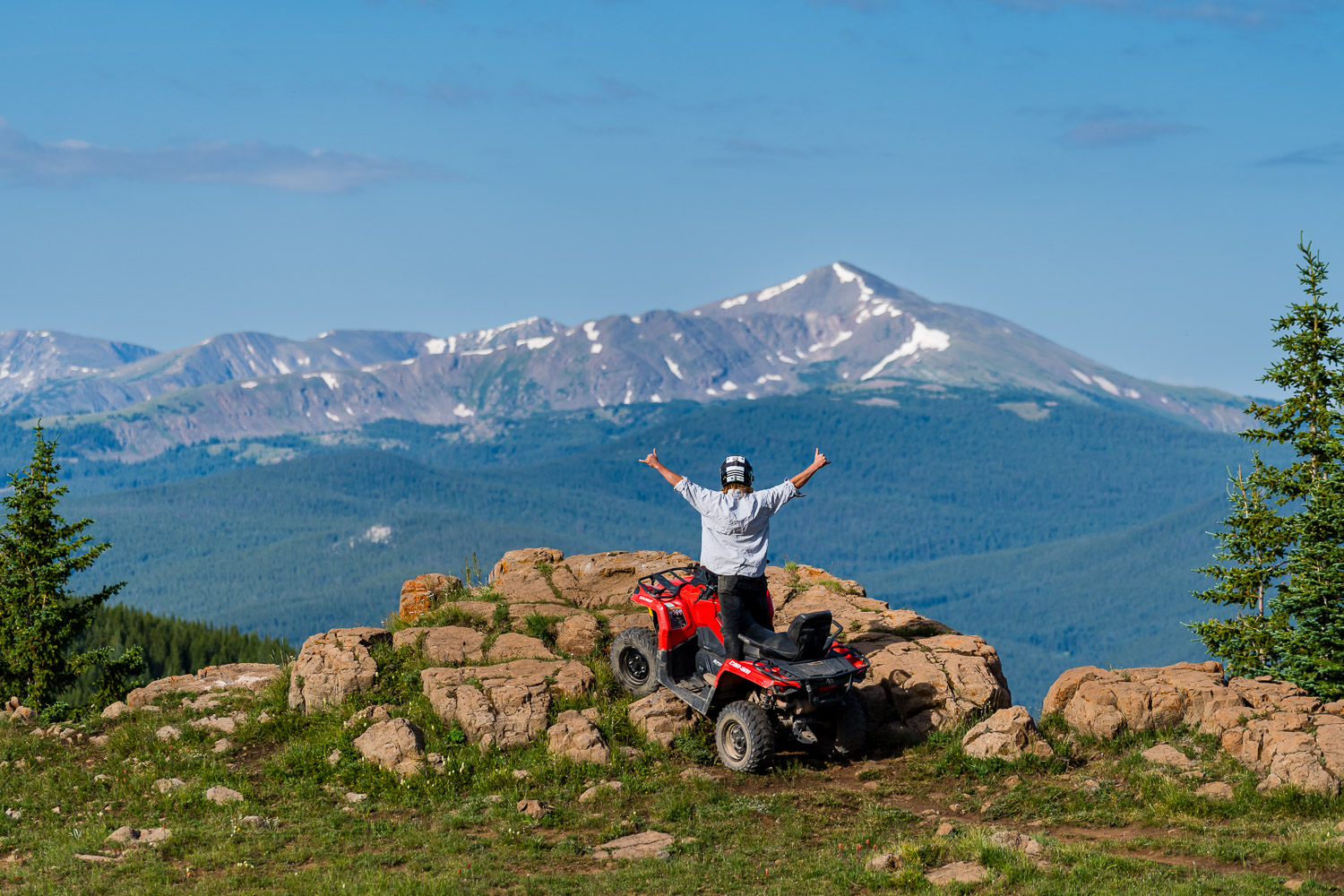
Background Blur (Bokeh)
Longer focal lengths + wide apertures = shallow depth of field. This produces creamy, cinematic bokeh that isolates your subject beautifully.
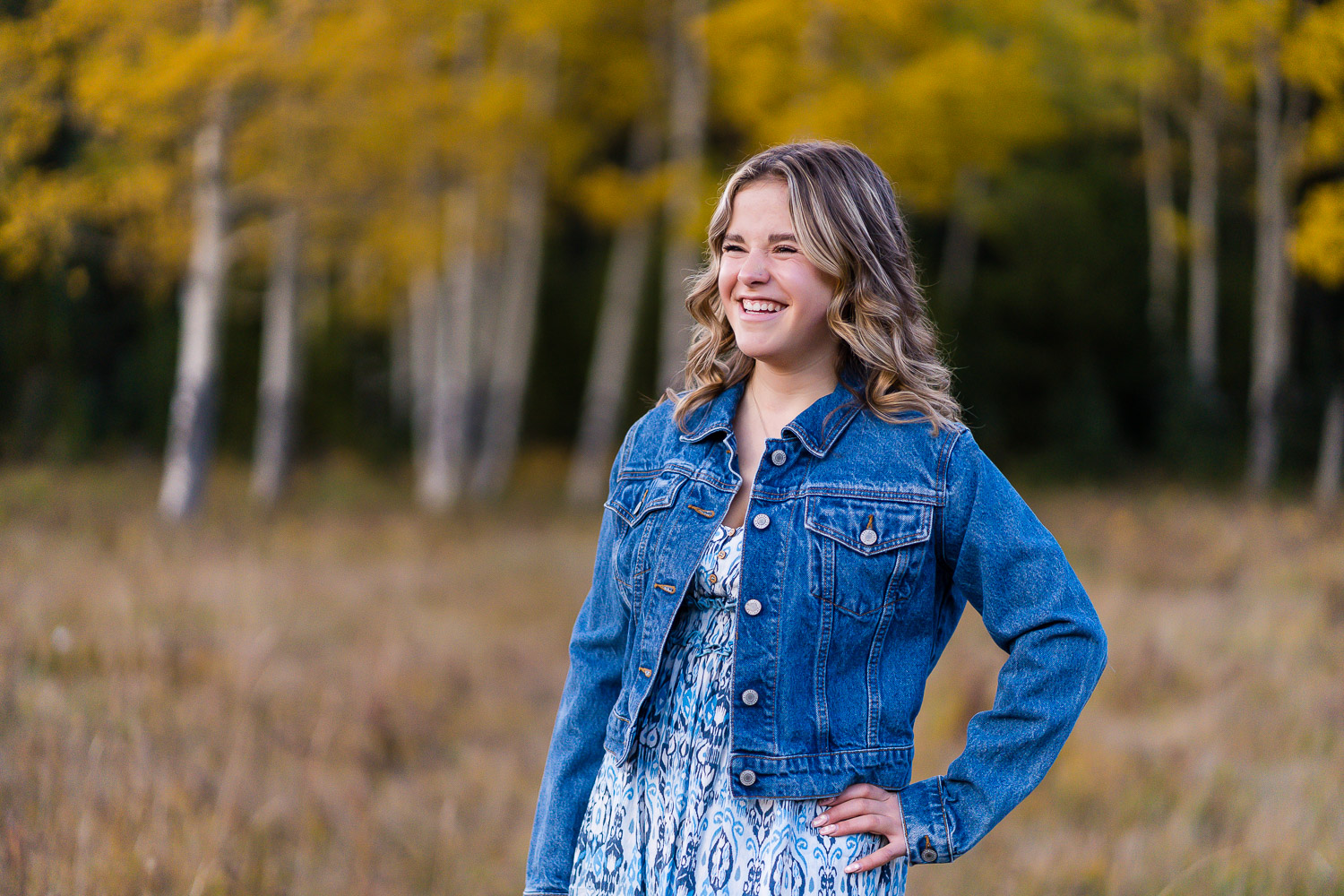
Reach
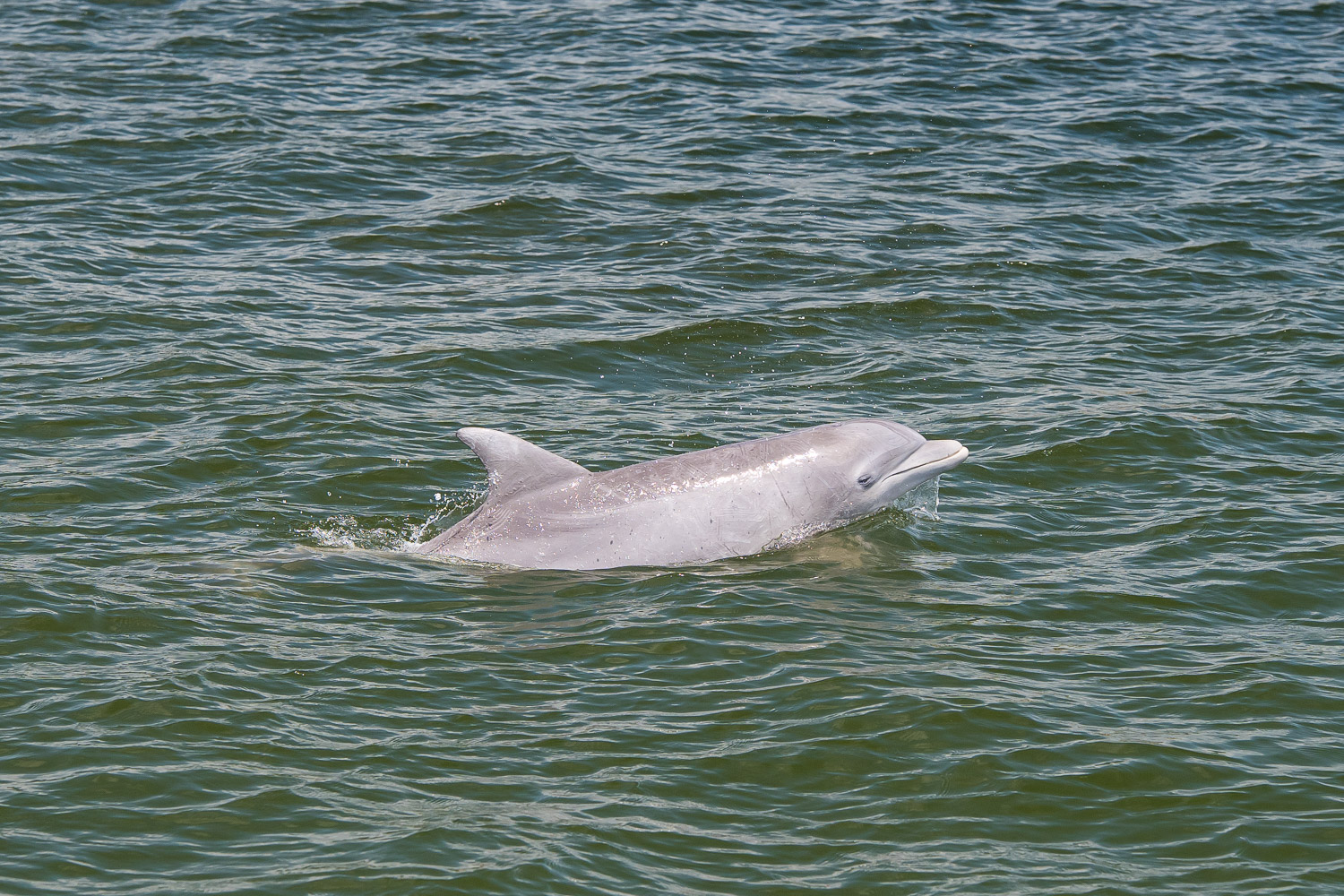
Telephoto lenses allow you to photograph wildlife, sports, or ceremonies from a distance without being intrusive, making them a great tool for various photography styles . At weddings, a 70–200mm lets me capture intimate vows without stepping into the aisle. In the mountains, nothing beats a telephoto for showing dramatic scale.
Downsides
Of course, no lens is perfect. Telephotos deliver incredible results, but they also come with tradeoffs. Before you invest in one, it’s important to know the challenges — from weight and cost to technique. Here are the most common downsides of telephoto lenses and how to work around them.
- Big and heavy.
- Can cause camera shake if shutter speed is too slow.
- Expensive at professional levels (70–200mm f/2.8 lenses often cost over $2,000).
Don’t let these challenges scare you off — every lens has tradeoffs, and the rewards of a telephoto far outweigh the inconveniences. With the right technique and a little practice, you’ll be amazed at the images you can create.
Types of Telephoto Lenses
Not all telephotos are created equal. Some are lightweight portrait primes, others are heavy-duty wildlife lenses. Knowing the differences will help you choose the right one for your style of photography. Here are the most popular types of telephoto lenses and what they’re best for.
85mm Primes
- Pros: Small, light, affordable. Ideal for portraits.
- Cons: Locked into one focal length.
My current favorite 85mm lens: Viltrox 85mm f/1.4 use code “bergreen5” for 5% off
👉 Related – 85mm Lens Guide:
70–200mm Zooms
- The workhorse of many professional photographers.
- Pros: Versatile, sharp, covers portraits, events, and landscapes.
- Cons: Heavy, expensive.
My current favorite is the Sony 70-200mm f/4 G II.
To learn more about how to select the right equipment for your needs, see our criteria for choosing camera gear for beginners.
👉 Related: Sony 70–200mm f/4 Review
100–400mm and Super Telephotos
- Designed for wildlife, sports, and astrophotography.
- Pros: Incredible reach, detail from far away.
- Cons: Heavier, slower in low light, pricier.
Check the price of the beloved Sony 100-400mm
👉 Related: How to Shoot with a 100–400mm Lens
Macro & Specialty Telephotos
Some telephotos double as macro lenses (e.g., 100mm macro), allowing for impressive magnification and the ability to capture tiny details like rings, flowers, or insects. They combine compression with the ability to capture tiny details like rings, flowers, or insects.
Check the price on the older version from Sony or the new version from Sony.
Telephoto Lens Comparisons
Ever wonder what really changes between an 85mm prime and a 70–200mm zoom, or how a 100–400mm stacks up against a 70–200mm? Comparing focal lengths side by side is the best way to understand how each lens affects compression, background blur, and flexibility. Let’s look at some key comparisons.
85mm Prime vs 70–200mm Zoom
- 85mm: Lightweight, classic portrait lens, dreamy bokeh.
- 70–200mm: Adds flexibility — shoot wide group shots at 70mm or tight portraits at 200mm.
Telephoto vs Wide/Standard Lenses (35mm/50mm)
- Wide/Standard (35mm/50mm): Show subject + environment.
- Telephoto: Isolate your subject, simplify the frame, compress the background.
👉 Related: How to Shoot with a Wide-Angle Lens:
Telephoto vs Super Telephoto (100–400mm)
- 70–200mm: Versatile, faster, better in low light.
- 100–400mm: More reach, ideal for wildlife/sports, but slower and heavier.
Tips for Shooting with a Telephoto Lens
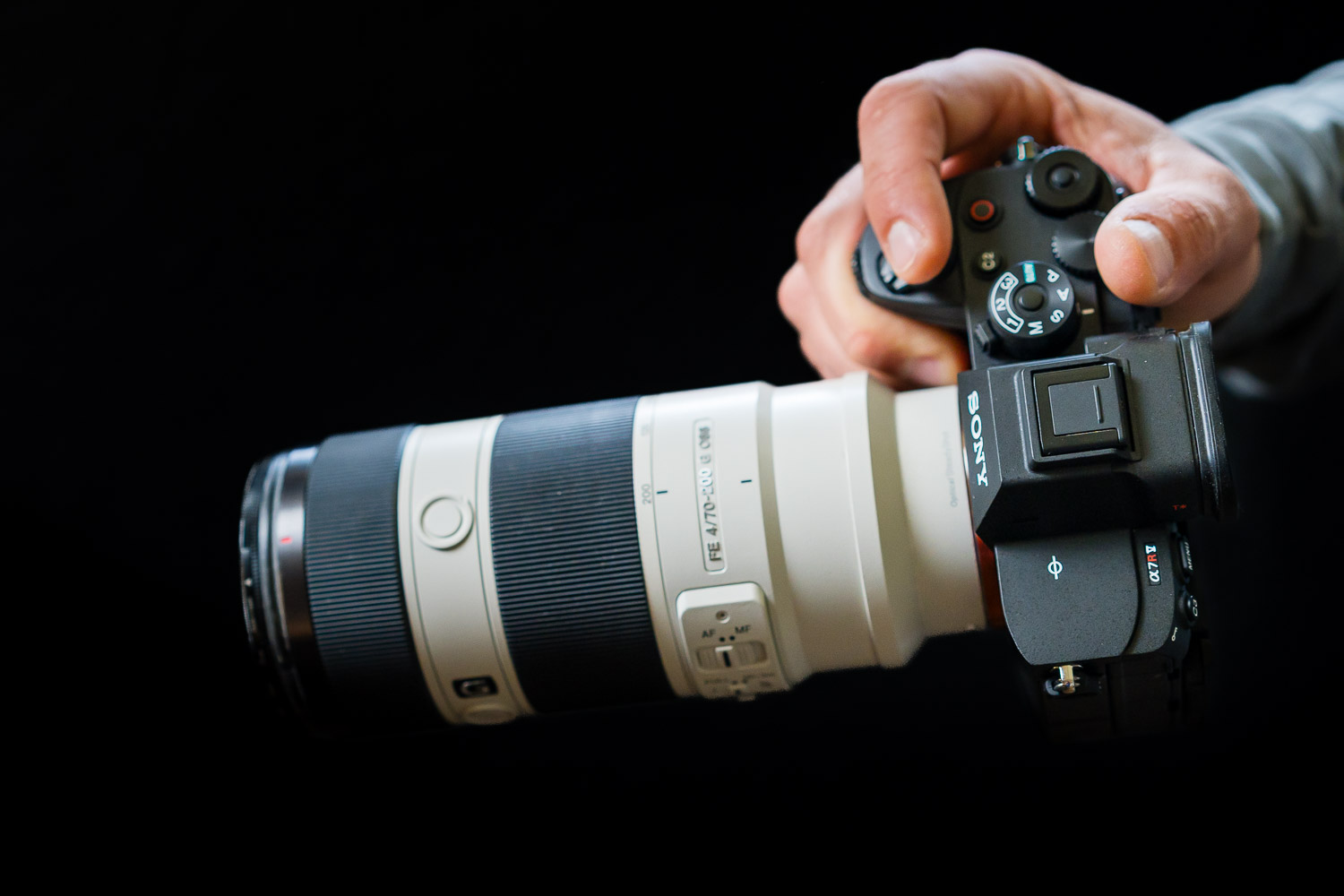
Telephotos can be intimidating at first — they’re heavy, narrow your field of view, and magnify camera shake, especially with a long lens. But with the right techniques, they become one of the most rewarding tools in your bag. Here are my best tips for shooting confidently with a telephoto lens.
1. Use Compression to Your Advantage
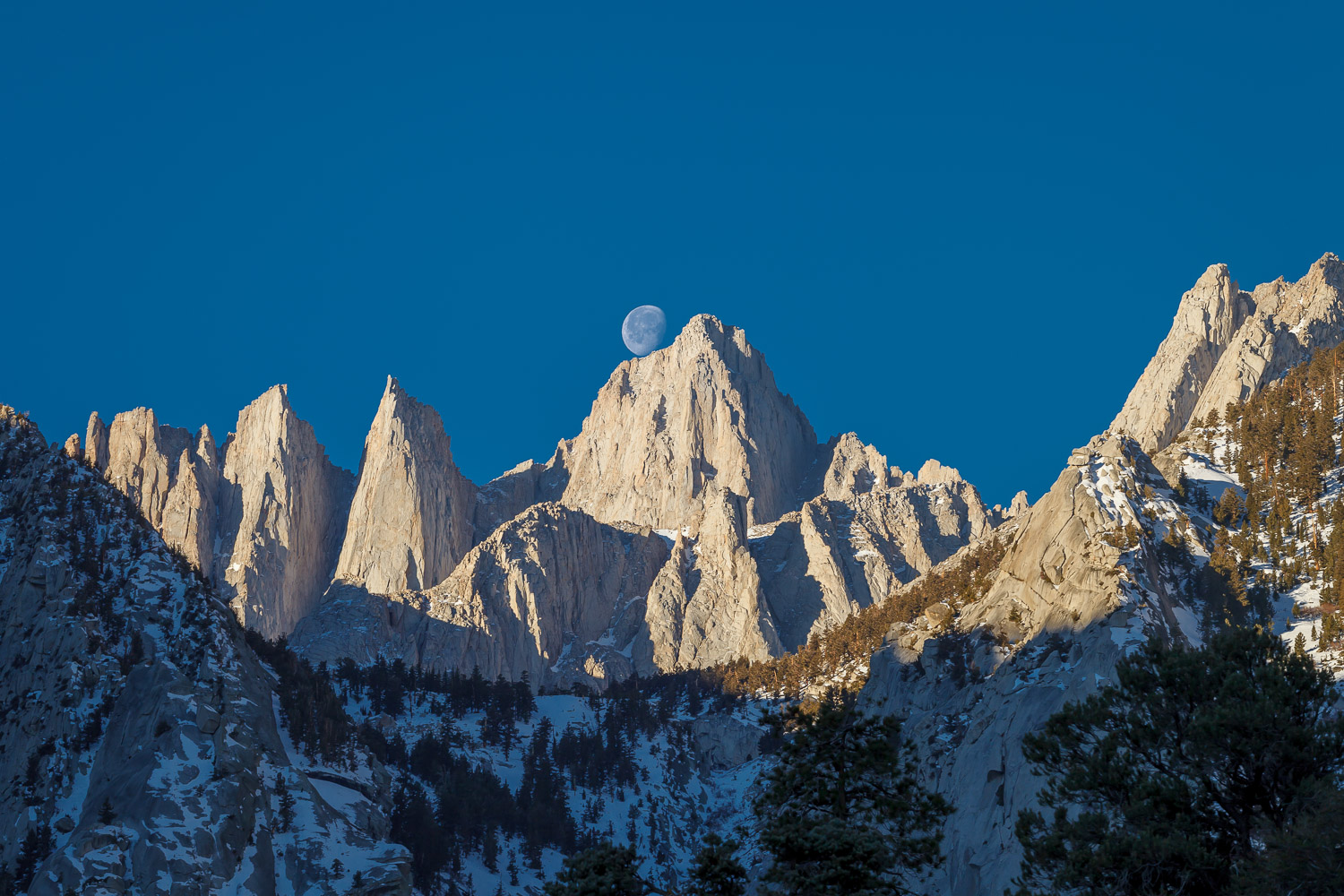
One of the unique strengths of telephoto lenses is compression — the way they flatten perspective and bring background elements closer to your subject. This is flattering in portraits (faces look natural and proportional) and dramatic in landscapes (mountains look stacked together).
Step back from your subject, zoom in, and watch how the background shifts behind them. A 200mm lens can make even modest hills look massive.
2. Mind the Weight
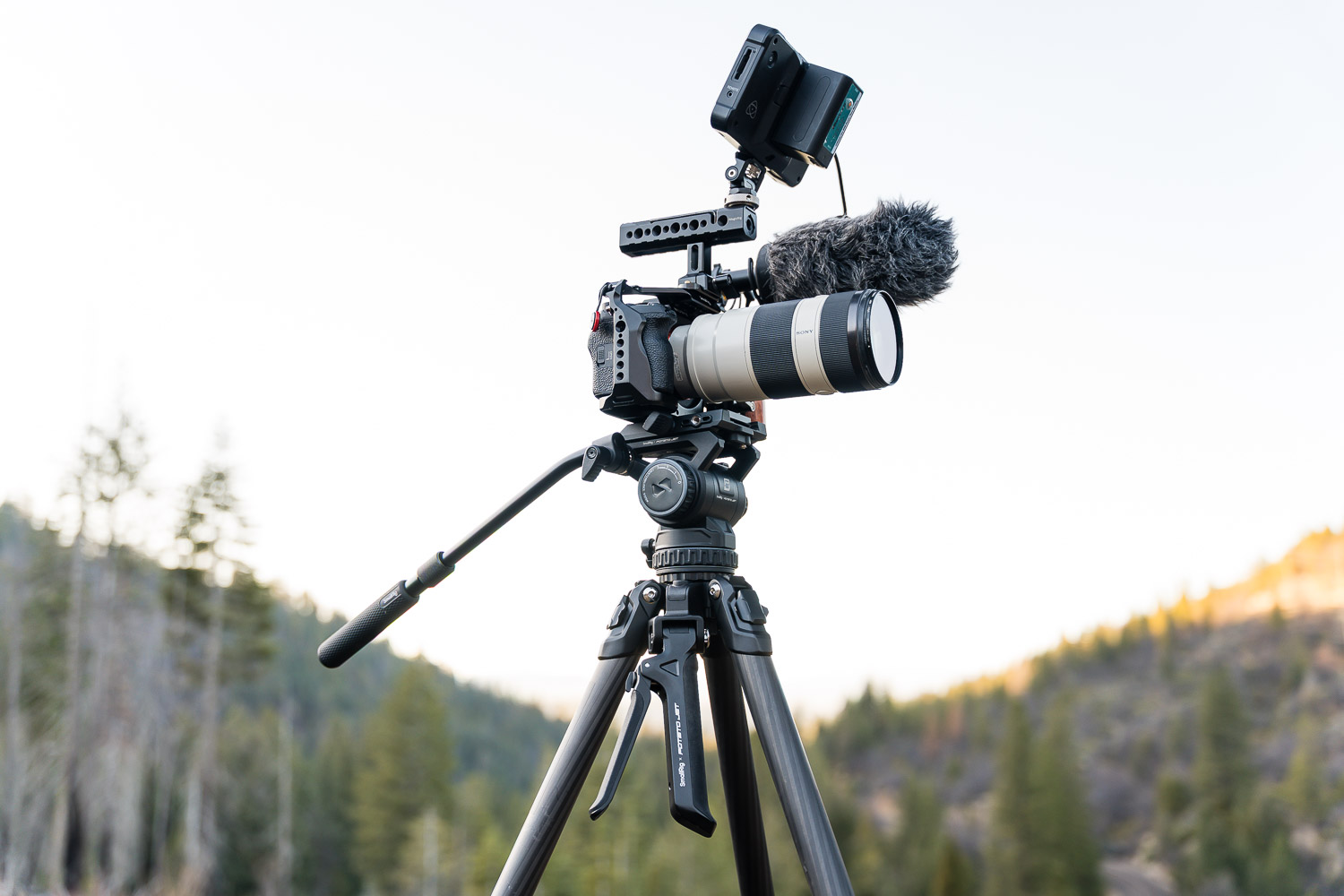
Telephotos are heavy, especially zooms like the 70–200mm or a super-telephoto. Over long shoots, fatigue can affect your posture and your photos.
Use a monopod or tripod for stability, a camera strap for comfort, and a supportive backpack for travel. Even paying attention to your stance — feet shoulder-width apart, elbows tucked — can help steady your shots.
3. Play with Framing
Telephotos are fantastic for layering foreground and background blur. Shoot through flowers, branches, or even guests at a wedding to create cinematic frames around your subject. The lens will melt those elements beautifully, adding depth and context to your photo.
Move slightly left or right until you find a foreground element that adds interest without covering your subject.
4. Stay Aware of Light
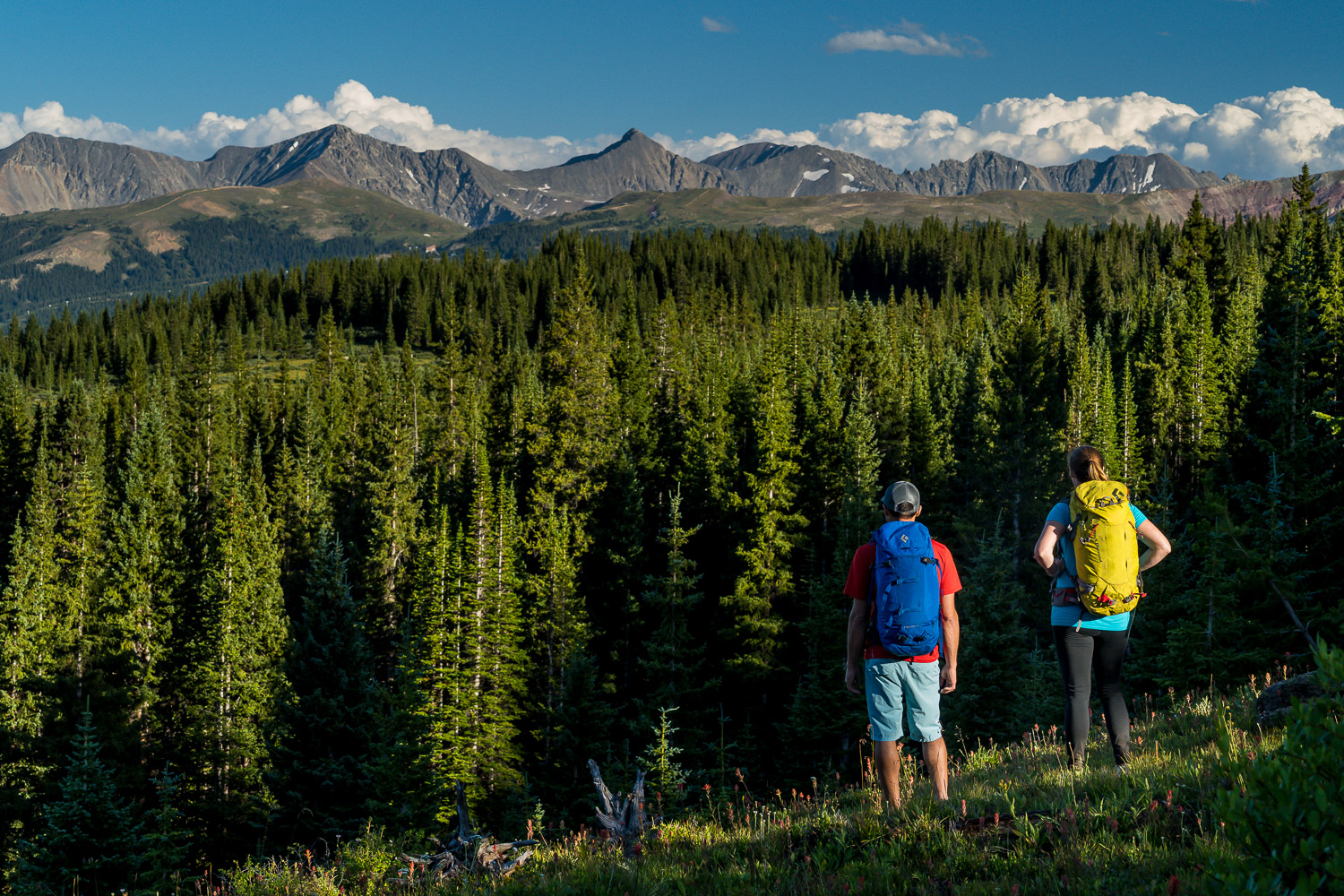
The longer the lens, the faster your shutter speed needs to be to avoid blur. A good rule of thumb is 1/focal length (so 1/200s at 200mm). If the light is low, don’t be afraid to raise your ISO — it can help you achieve a sharp image with a little grain, which is far better than soft and blurry.
Avoid this mistake: Shooting at too slow a shutter speed is the #1 reason telephoto shots end up unusable.
5. Track Action
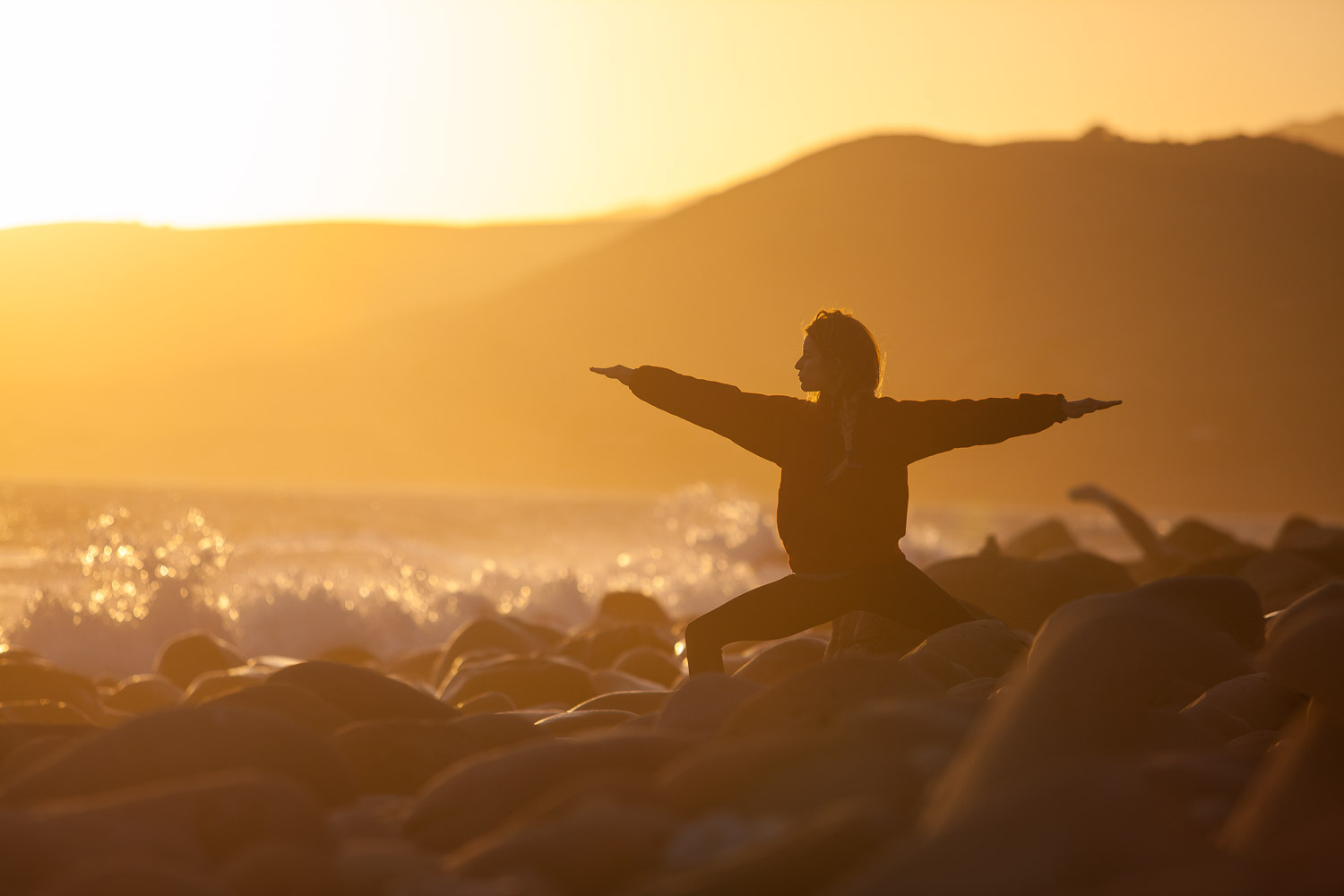
For sports and wildlife, telephotos are your best friend. But they also narrow your field of view, which makes it easy to lose fast-moving subjects.
Switch to continuous autofocus (AF-C), use burst mode, and anticipate where the action will happen. Practice panning with your subject to keep them sharp against a blurred background.

6. Watch Your Backgrounds
Because telephotos compress everything, they can also magnify distractions. A stray sign, a bright shirt, or a cluttered horizon will feel even stronger when pulled in by the lens. Always scan your background before you press the shutter.
8. Experiment with Aperture
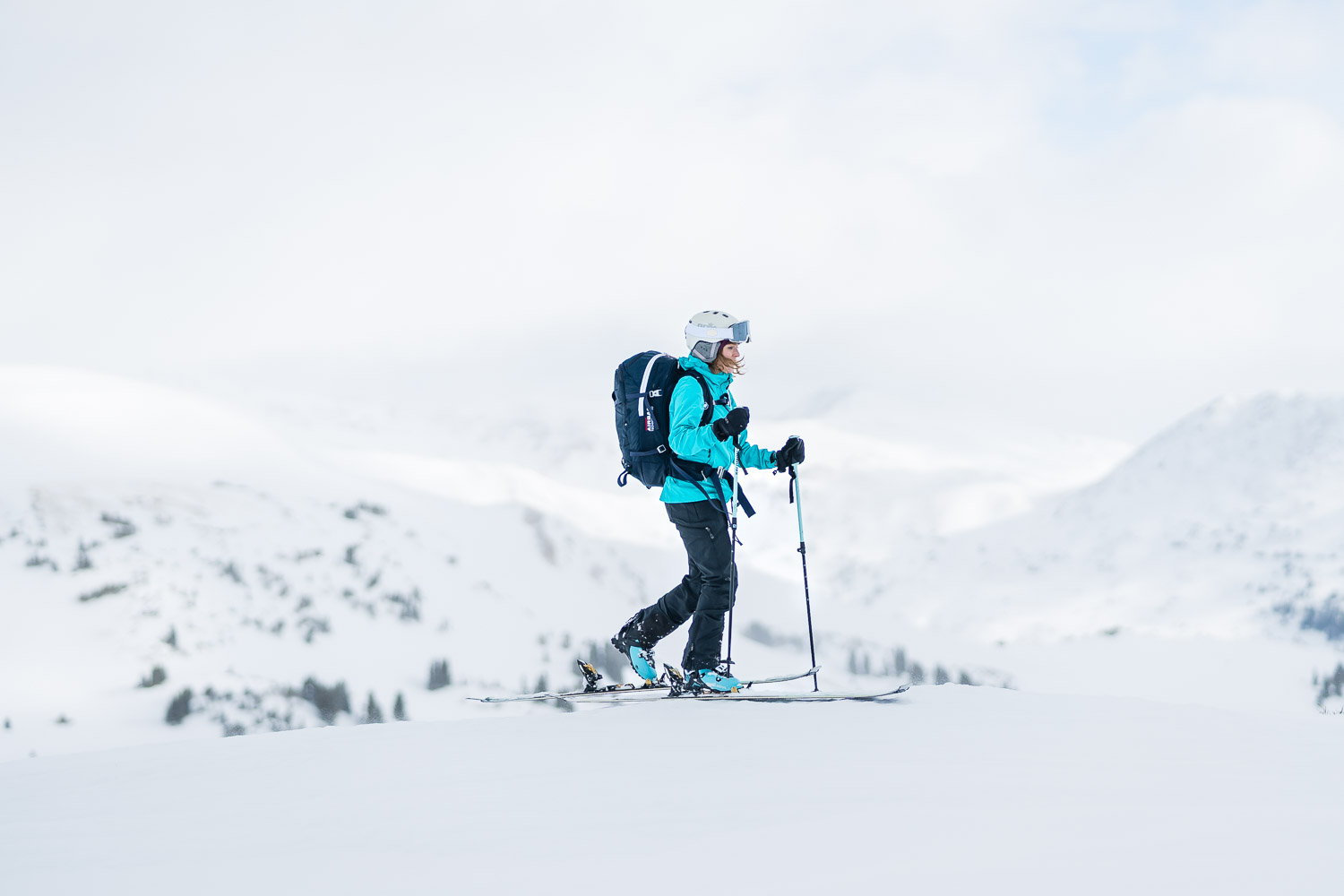
While telephotos are known for shallow depth of field, you don’t always need to shoot wide open. Try stopping down to f/4 or f/5.6 for sharper edges in portraits, or f/8–f/11 for layered landscapes. Aperture choice completely changes the look of your telephoto shots.
9. Embrace “Beautiful” Lens Flare
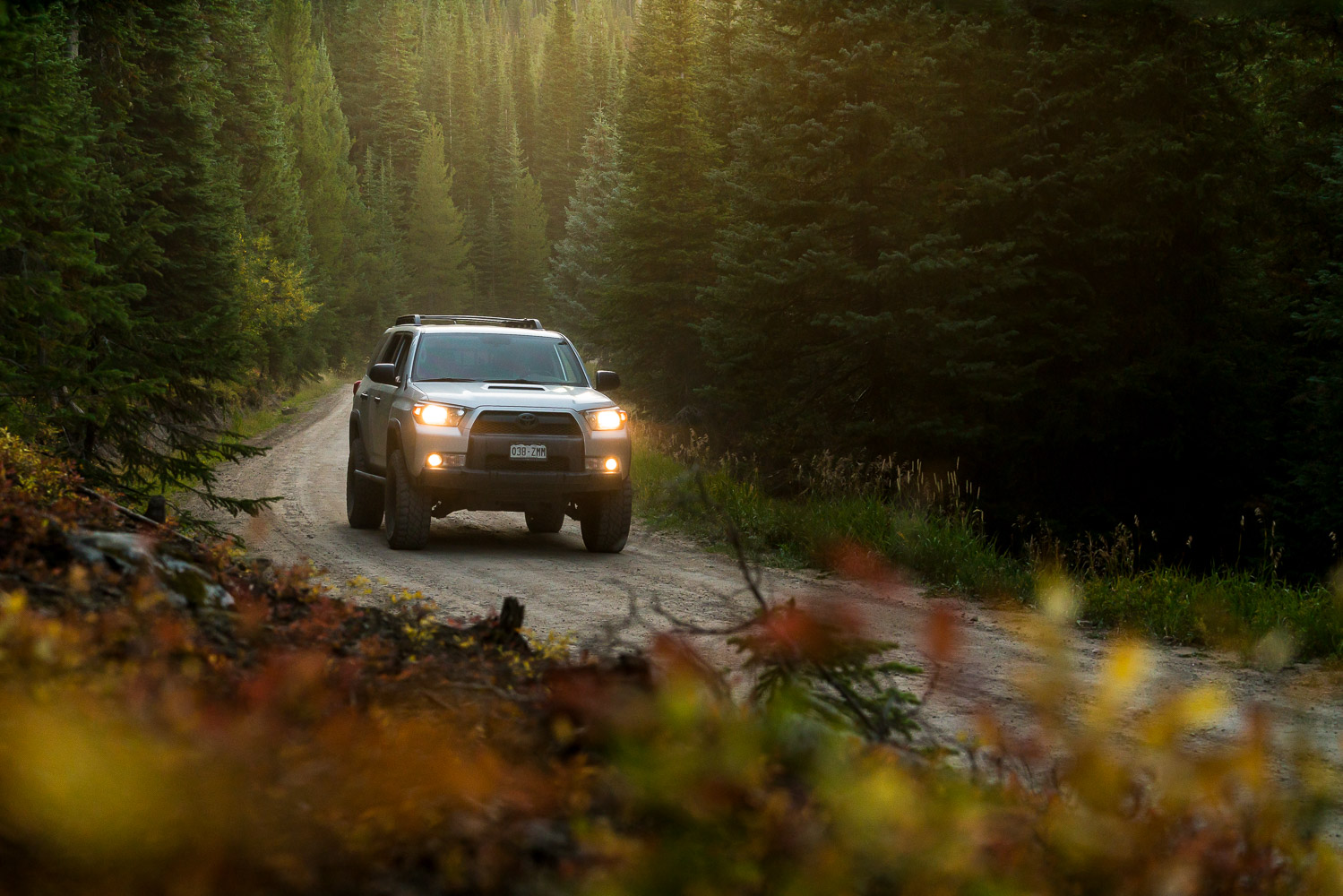
While many photographers try to avoid flare, certain telephotos create really beautiful flare patterns when shooting into the light. A low sun behind your subject can produce golden haze, rainbow streaks, or a soft glow that adds atmosphere.
Remove the lens hood and position the sun just at the edge of your frame. Test different apertures — wide open gives a dreamy glow, while stopped down can create more distinct starbursts.
I love pointing my 70–200mm toward the setting sun and watching as the glass catches beautiful sunset light. The results added mood and atmosphere that editing alone couldn’t replicate. Telephoto flare feels different from wide-angle flare because of the narrower field of view; it can look more concentrated and cinematic.
Bonus: Image Stabilization
Many modern telephotos have stabilization (VR, IS, OSS, depending on the brand). Turn it on when shooting handheld at slower shutter speeds. Just remember to turn it off on a tripod to avoid micro-vibrations. Lenses with vibration reduction / image stabilization suppress shake, especially at longer focal lengths.
Common Mistakes with Telephoto Lenses
- Using too slow a shutter speed → results in soft, blurry images.
- Standing too close for portraits → causes unflattering distortion.
- Forgetting about the background → compression makes distractions stronger.
- Not stabilizing → magnified shake ruins sharpness.
- Over-relying on Zoom → sometimes moving your feet gives a better composition.
FAQs about Telephoto Lenses
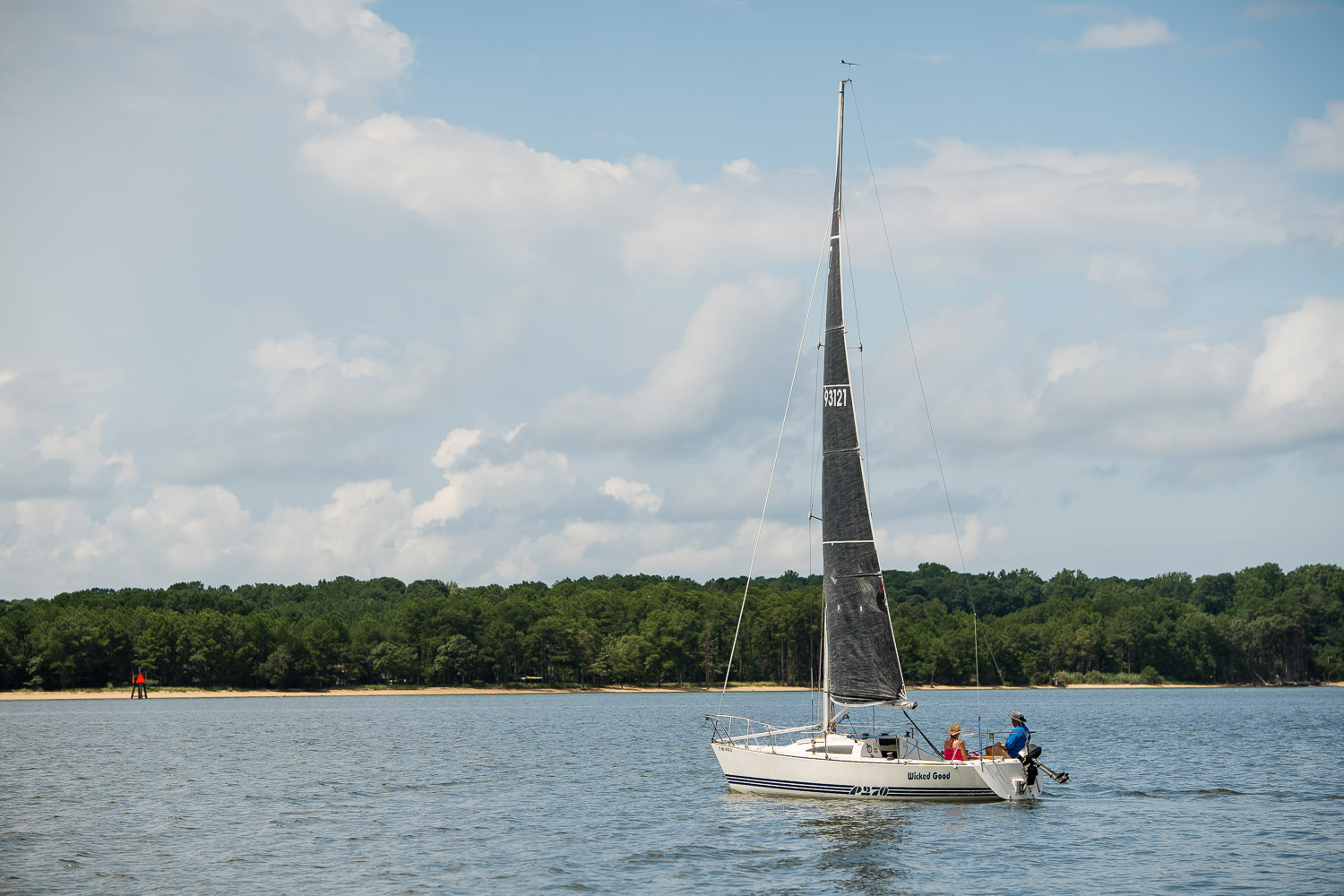
Telephoto lenses raise a lot of questions — from how far they can zoom for sporting events to which aperture works best. Below, I’ve answered some of the most common telephoto questions so you’ll feel prepared before you buy or shoot with one.
What does a telephoto lens do?
It magnifies distant subjects, compresses backgrounds, and isolates your subject with shallow depth of field.
What’s the difference between a telephoto and a zoom lens?
- Telephoto = focal length category (85mm+).
- Zoom = variable focal length (can be wide, telephoto, or both).
👉 A telephoto zoom lens is a zoom that covers telephoto ranges (like 70–200mm).
Is 70–300mm a telephoto lens?
Yes, it’s a telephoto zoom lens covering medium to super telephoto.
How far can a telephoto lens zoom?
Depends on the lens. A 300mm can frame wildlife from ~100+ yards away. A 600mm can fill the frame with a bird perched on a distant tree.
Is a telephoto lens worth it?
Yes — if you shoot portraits, wildlife, sports, or weddings. They’re less useful for casual everyday shooting.
How do I get sharp photos with a telephoto lens?
- Use a shutter speed of at least 1/focal length.
- Use a tripod or stabilization when possible.
- Anticipate motion and focus continuously for action shots.
What aperture for a telephoto lens?
- f/2.8 = best for portraits and low light.
- f/4 = lighter and cheaper option.
- Stop down (f/8–f/11) for landscapes to keep more in focus.
What are two disadvantages of telephoto lenses?
Weight and size, plus higher cost.
Why does every photographer need a 70–200mm?
It’s versatile, covers portraits, events, sports, and landscapes. Many call it part of the “Holy Trinity” of zoom lenses (16–35, 24–70, 70–200).
When should you use a telephoto lens?
- Portraits: flattering compression.
- Weddings/events: capture details without being intrusive.
- Wildlife/sports: shoot from a distance.
- Landscapes: compress mountains or create layers.
Can you use a telephoto lens for landscapes?
Yes! While wide-angles are more common, telephotos can create dramatic landscape images by compressing distant mountains into layers or isolating a single peak from the background. A medium telephoto like a 70–200mm or super telephoto like a 100–400mm is perfect for this style of shooting.
Is a 50mm lens a telephoto lens?
No. A 50mm lens is considered a “normal” lens because its field of view closely matches human vision. Telephoto lenses typically start at 80–85mm and go up from there.
Do telephoto lenses work for video?
Yes — telephoto lenses are fantastic for cinematic close-ups, interviews, or capturing wildlife and sports footage from a distance. Just keep in mind they magnify camera shake, so stabilization (in-body, in-lens, or on a tripod/monopod) is especially important.
What is the best focal length for portraits?
Many photographers prefer 85mm–135mm for portraits because of the flattering compression and smooth background blur. These focal lengths make faces look natural and avoid distortion.
Can I use a telephoto lens indoors?
It depends on the space. In large indoor venues like gyms, arenas, or churches, a telephoto is great for sports and events. In smaller spaces, however, the narrow field of view can be limiting. A faster aperture (f/2.8 or wider) also helps in low light.
Are telephoto lenses good for beginners?
They can be! An 85mm prime is lightweight, affordable, and easy to use for portraits. Zooms like a 70–300mm are also beginner-friendly, offering versatility without the high price tag of pro lenses.
Do telephoto lenses require more light?
Generally, yes. Because of their longer focal lengths, telephotos need faster shutter speeds to avoid blur, which means you’ll often raise ISO or shoot with wider apertures. That’s why pro telephotos (like 70–200mm f/2.8) are so valuable in low light.
What’s the difference between a telephoto zoom and a prime?
A telephoto prime has one fixed focal length, like 85mm or 135mm. A telephoto zoom, like 70–200mm, covers a range. Primes are usually lighter, sharper, and have wider apertures, while zooms are more flexible but heavier.
Telephoto Lens Guide Conclusion
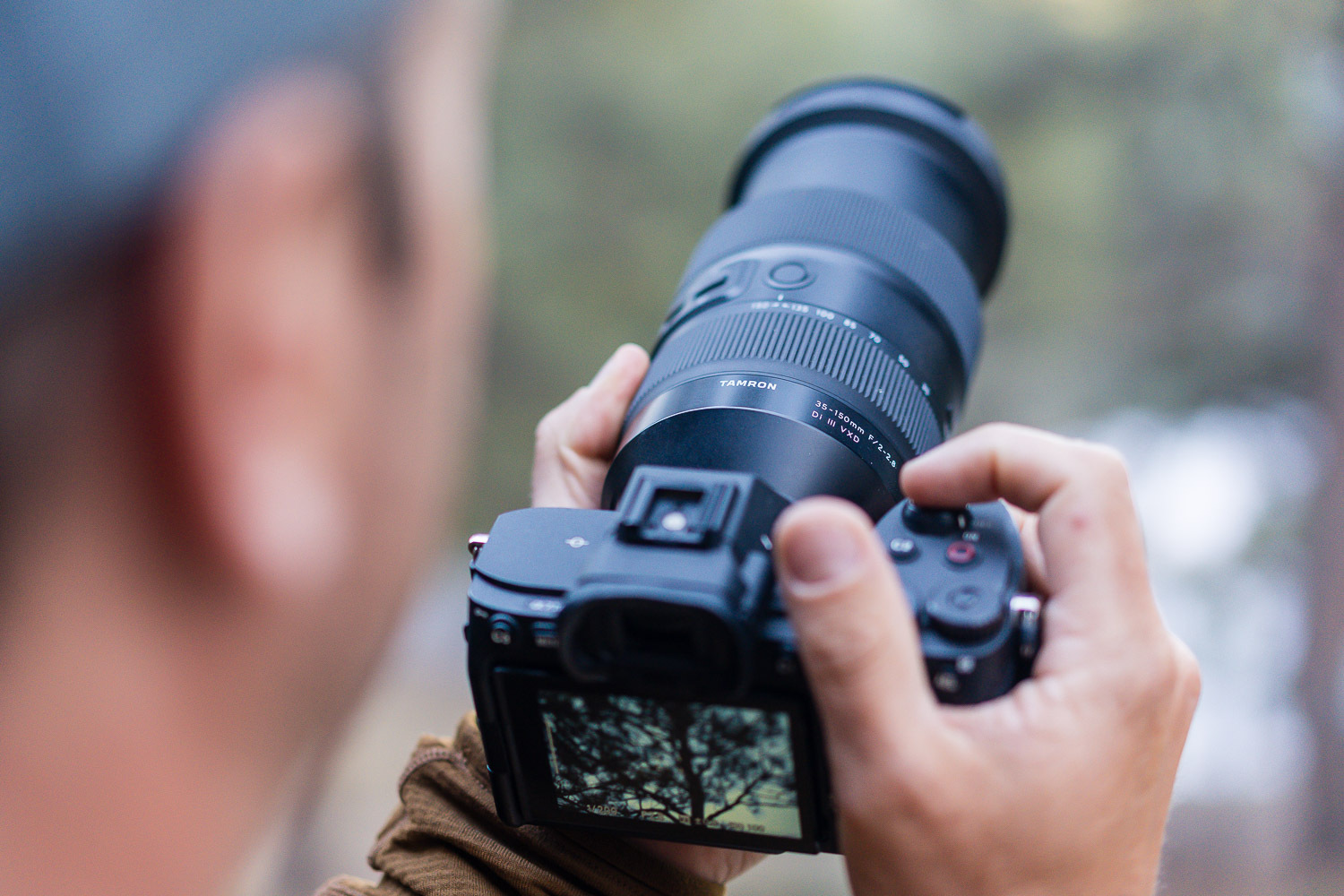
Telephoto lenses are some of the most powerful creative tools a photographer can own. They let you capture flattering portraits, pull in distant wildlife, and compress vast landscapes into dramatic layers. Yes, they’re heavy, expensive, and demand good technique to ensure a sharp image in various situations — but the results are worth it.
If you’re just starting out, an affordable 85mm prime is a fantastic way to explore the world of telephoto photography without the weight or cost. If you need versatility, a 70–200mm zoom is hard to beat — it’s the workhorse lens for portraits, weddings, events, and even landscapes. And for those chasing wildlife, sports, or astrophotography, a 100–400mm or longer super telephoto opens up a whole new world of possibilities.
Best telephoto lens for:
- Beginners: Start with an 85mm prime.
- Versatility: Invest in a 70–200mm zoom.
- Wildlife/Sports: Go for a 100–400mm super telephoto.
Like any tool, the key is learning how to use your telephoto lens well. Master shutter speed to avoid blur, embrace compression to add drama, and don’t be afraid to experiment with foreground framing or even creative flare. The more you practice, the more you’ll see that telephotos aren’t just about “zooming in” — they’re about telling stories in a way no other lens can.
At the end of the day, the best telephoto lens is the one you’ll actually carry, practice with, and grow into. Whether you’re shooting portraits in your backyard or wildlife on a mountaintop, learning to harness a telephoto lens will expand not just your reach, but also your creativity as a photographer.
Grab a lens and start experimenting:
So grab your telephoto lens, get outside, and start experimenting. Whether you’re shooting landscape photography or weddings, you’ll be amazed at how much a telephoto can transform your photography.
👉 Shop my recommended telephoto lenses for your camera in the links above
👉 Explore my related guides:
- 85mm Lenses: Everything You Need to Know
- Sony 70–200mm f/4 Review
- 35mm vs 50mm Lens Comparison
- How to Shoot with a 100–400mm Lens
And don’t miss my YouTube series for hands-on demonstrations with every focal length.
At the end of the day, the best telephoto lens is the one you’ll actually carry and learn to use well.