Leave the Phone Behind: Why Every Kid Should Have Their Own Camera
Kids today grow up surrounded by cameras—but are they really learning to see through them? Phones are convenient, yes, but they often distract more than they inspire. Giving your child a real camera sparks creativity, focus, and a sense of wonder that lasts a lifetime, especially when considering the range of the best cameras for kids available today.
As a photographer, filmmaker, and dad of two, I’ve seen firsthand how a real camera changes the way kids engage with the world. Last year, I reviewed the best cameras for kids in 2025, and this year I want to go a step further. I’ll cover why phones aren’t helping kids see, the benefits of using a real camera, and practical tips for parents.
I’ll also review the newest Kiimento Model P2, a camera that’s fun, fast, and perfect for young creatives.
Comment on the video and tell us what your kid will photograph—you could win a Kiimento Model P2!
Why Phones Aren’t Enough
Phones are everywhere, and kids are glued to them. They’re great for convenience, but they don’t encourage true observation or creative thought, or even the desire to take photos creatively. Notifications, social media, and apps constantly pull attention away from the subject in front of them.
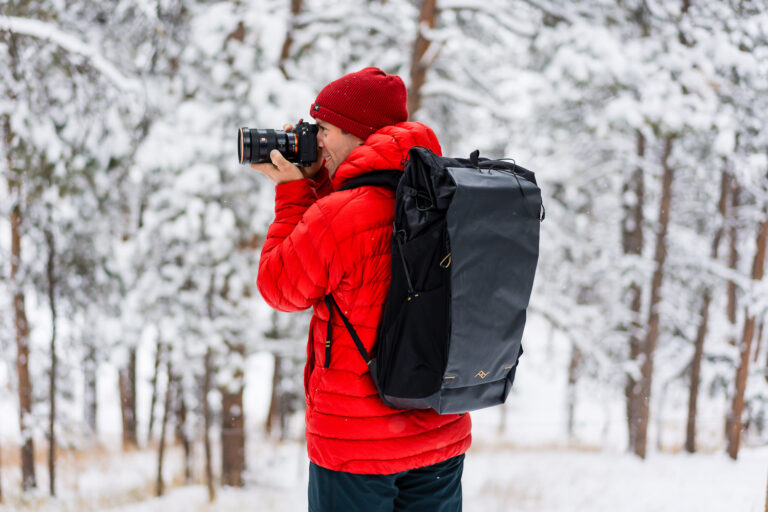
With a real camera, kids slow down and notice the world—the way the light falls, the shapes of objects, or the colors in a scene. Photography becomes about seeing, not posting or getting likes, which is essential in teaching kids about digital photography. This is the experience I want my own children to have.
The Benefits of Giving Kids a Real Camera
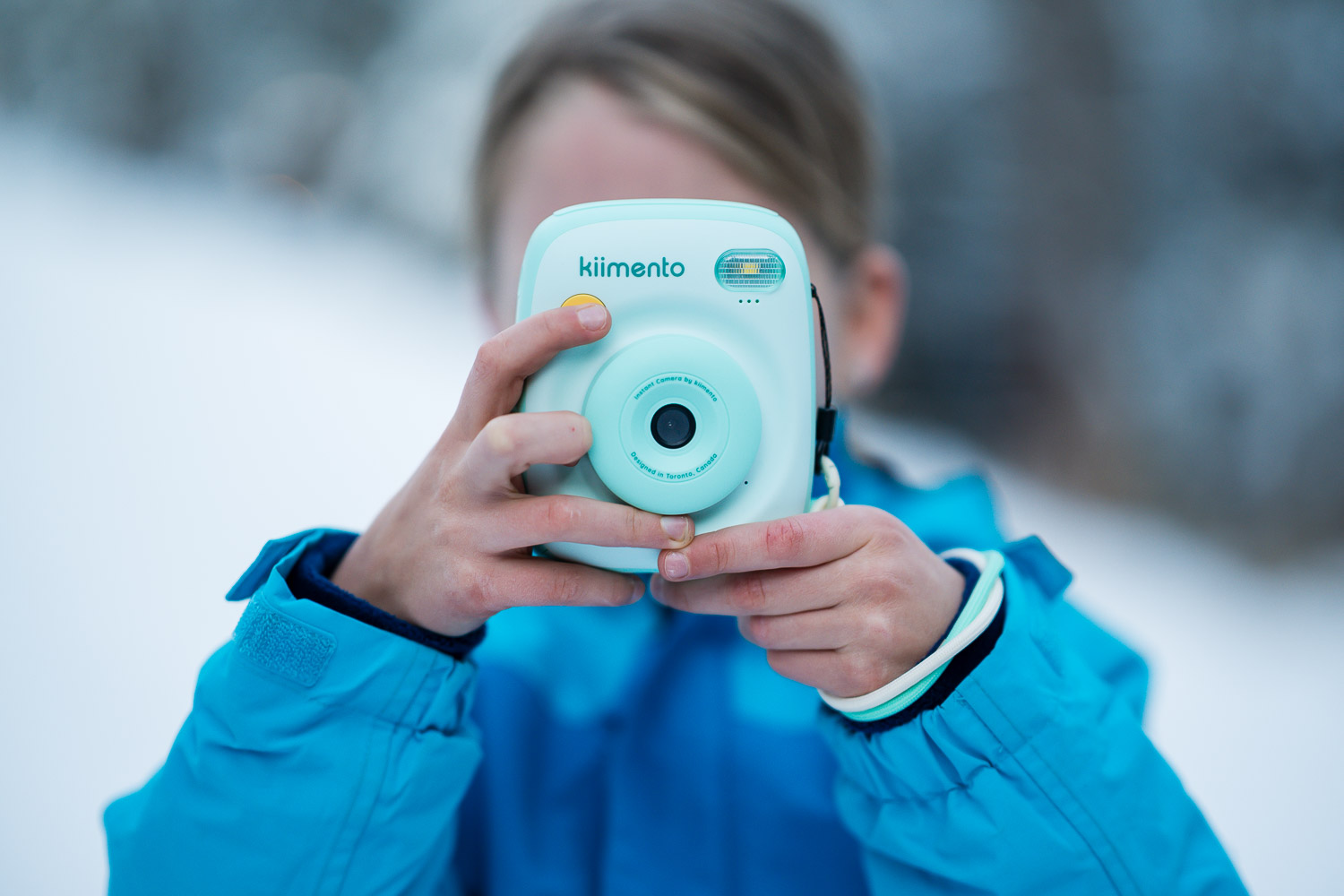
Here’s why a real camera is so valuable for kids:
- Creativity – Kids learn storytelling, not just snapping photos. They can experiment with composition, light, and perspective.
- Confidence – A creative hobby builds skill and pride in their own work. Owning their camera gives them ownership of their art.
- Connection – Cameras encourage family exploration and shared experiences, unlike phones, which can be isolating.
- Mindfulness – Photography encourages kids to focus on the moment, get outdoors, and observe their surroundings carefully.
- Digital Balance – It’s a break from screens and social comparison. A camera gives kids freedom to create without distraction.
A camera isn’t just a toy—it’s a tool for learning to look closer and think creatively.
Choosing the Right Camera for Your Child
Picking a camera isn’t one-size-fits-all. Consider your child’s age, interests, and skill level, and prioritize ease of use, durability, and portability.
Age-Based Guidelines
- Toddlers & Preschoolers (ages 3–5): Lightweight, durable cameras like the VTech KidiZoom Duo 5.0 or Oaxis myFirst Camera 2. Big buttons, simple menus, and sturdy builds make them ideal.
- Elementary-age Kids (ages 6–10): Point-and-shoot or instant print cameras with fun, colorful designs. The Kiimento Model P2 and Fujifilm Instax Mini 9 are great choices. Instant prints create tangible memories and encourage thoughtful photography.
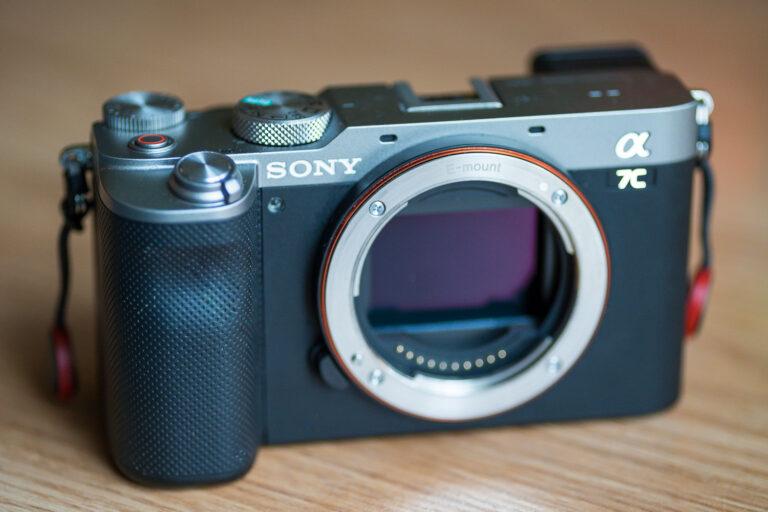
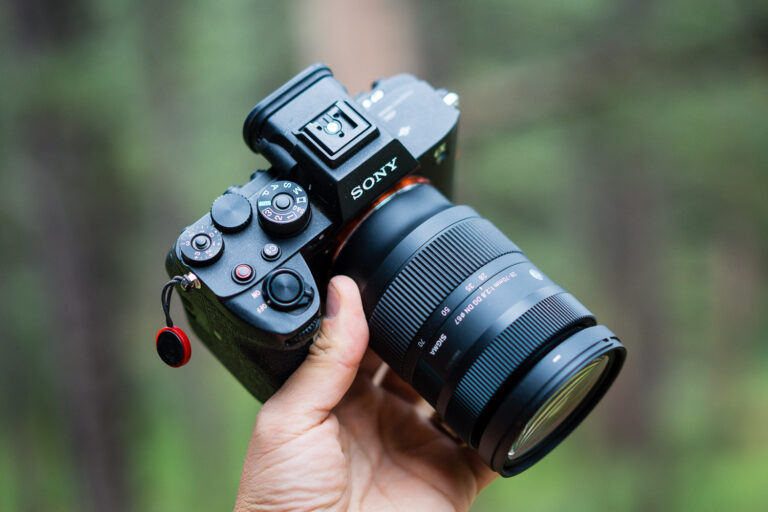
- Preteens & Teens (ages 11+): They may be ready for entry-level DSLRs or mirrorless cameras, offering manual controls, zoom, and video. At this stage, teens often develop a serious interest in photography.
Other practical features to look for: built-in flash, selfie lens, shockproof or waterproof design, rechargeable batteries, and the ability to transfer photos to a computer for editing and sharing.
Why Instant Print Cameras Are So Engaging
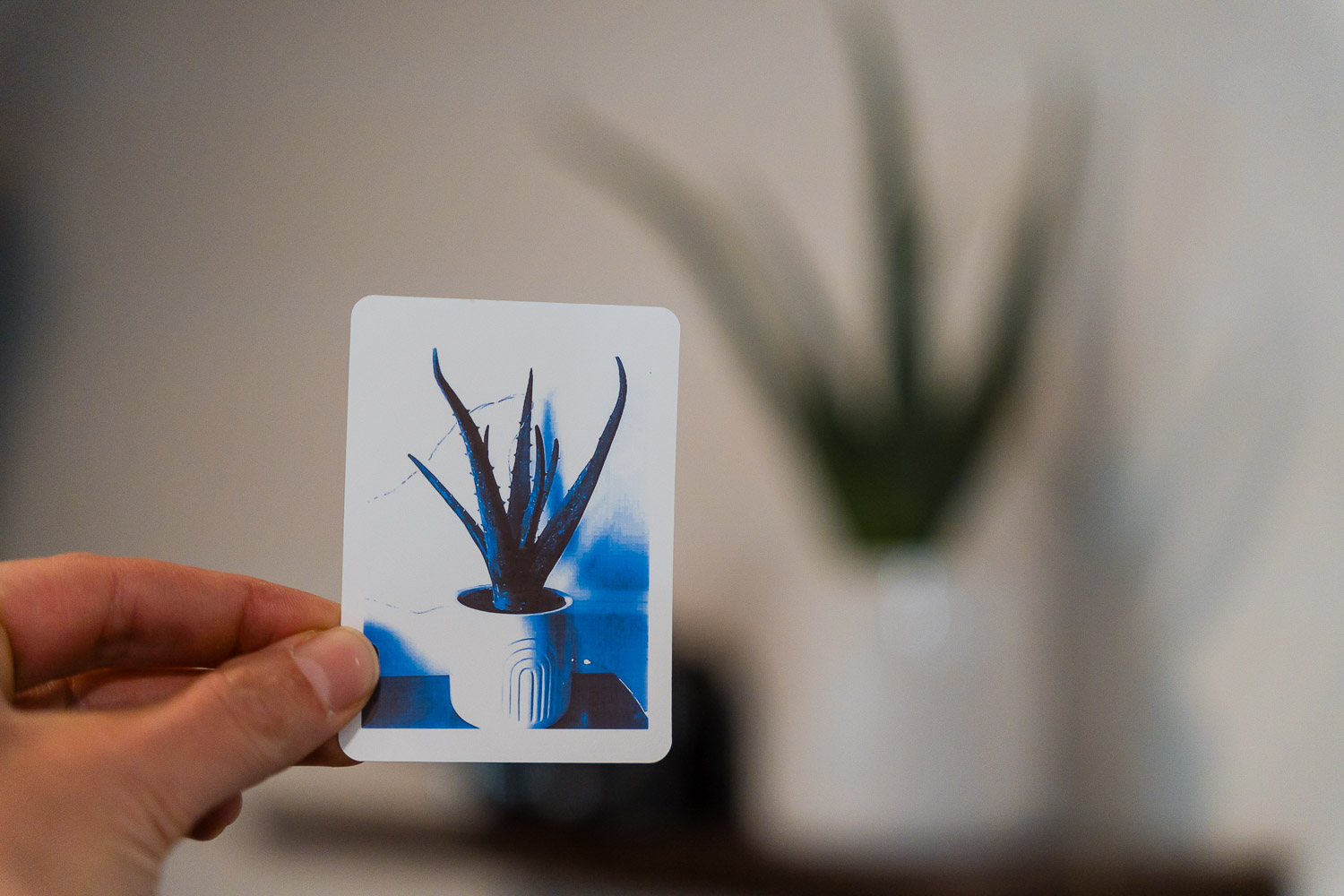
Instant print cameras offer unique advantages for kids:
- Immediate prints encourage composition and creativity—each photo feels valuable.
- Physical prints provide keepsakes, turning everyday moments into memories.
- Cameras that combine digital storage and printing (like the Kiimento Model P2) give kids flexibility: store photos digitally or print instantly.
- Instant prints make photography interactive and fun, rather than just another screen-based activity.
Kiimento Model P2 Review
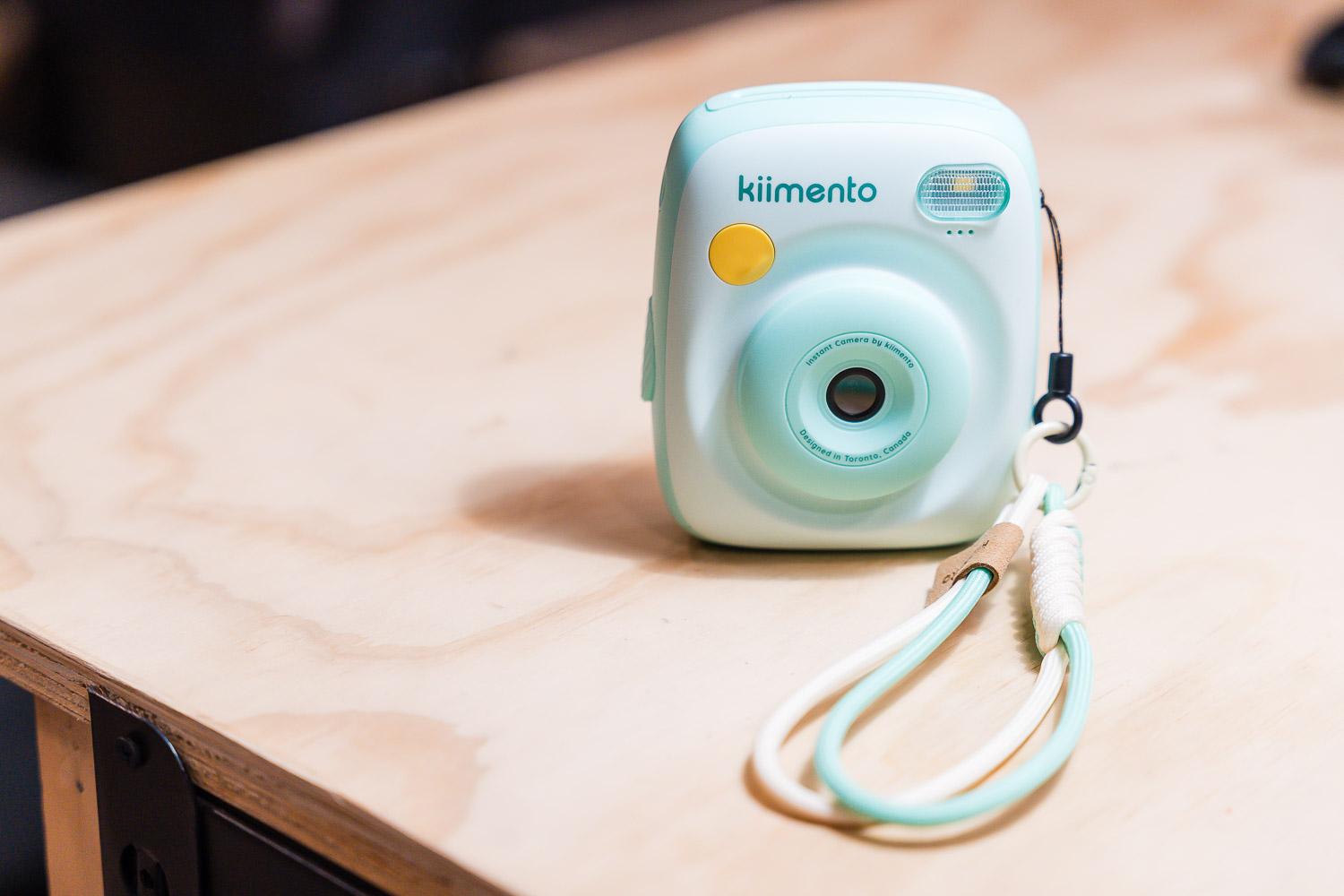
Now, let’s take a closer look at the Kiimento Model P2, the newest kid-friendly instant camera that’s perfect for sparking creativity and helping kids see the world in a new way.
Availability
The Model P2 is currently available in a limited first batch. This makes it a perfect gift option for the holidays or for getting kids started with photography before the end of the year.
Printing Made Fun and Easy
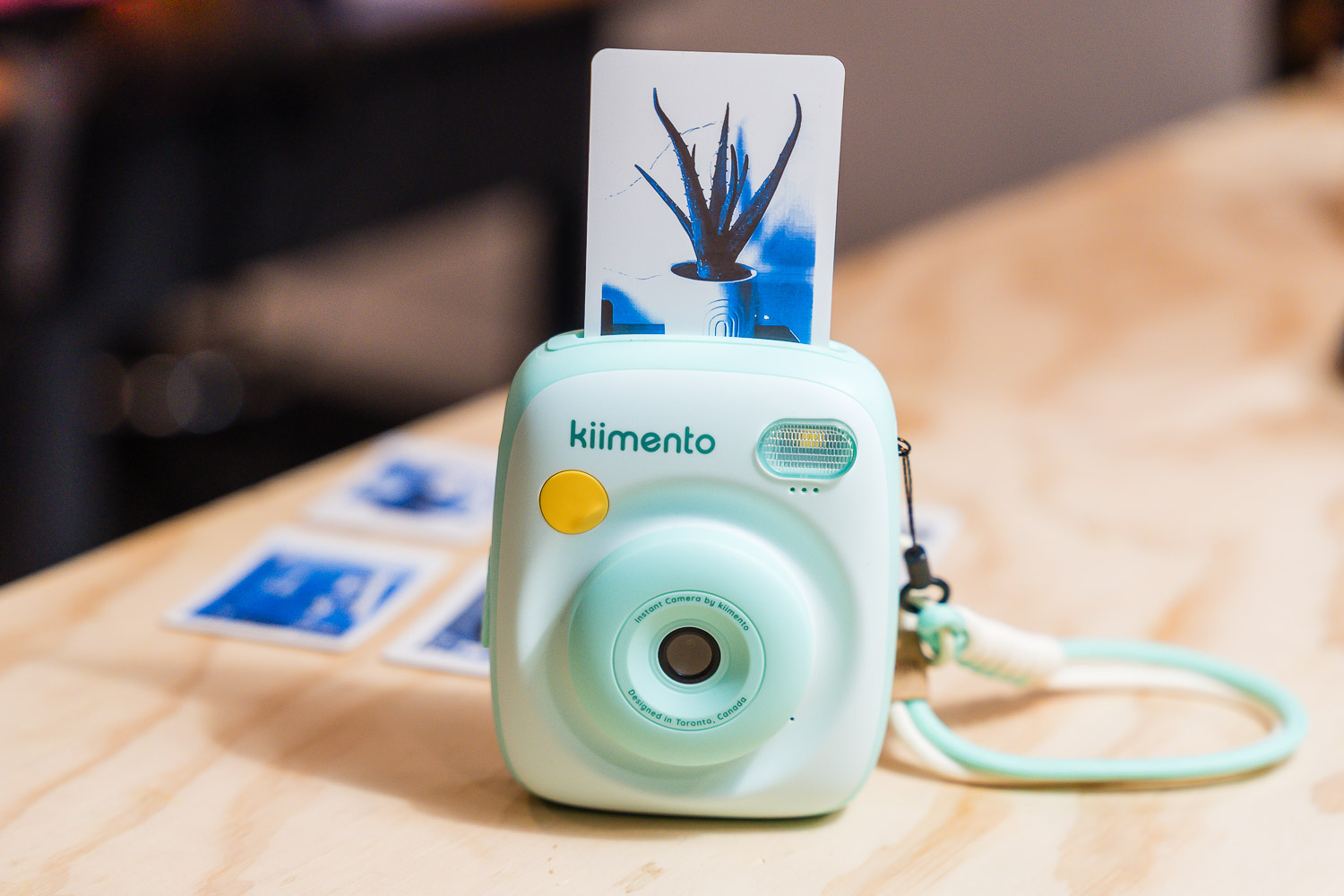
One of the standout features of the P2 is its ink-free thermal printing, which delivers a finished print in just 5 seconds. You can choose from four different two tone color styles, and each print is BPA/BPS-free, measuring just over 3×2 inches—perfectly sized for scrapbooks, walls, or handing out to friends. Unlike many other instant cameras, you don’t have to wait for ink to dry or deal with messy cartridges. It’s instant gratification, but with quality that feels professional.
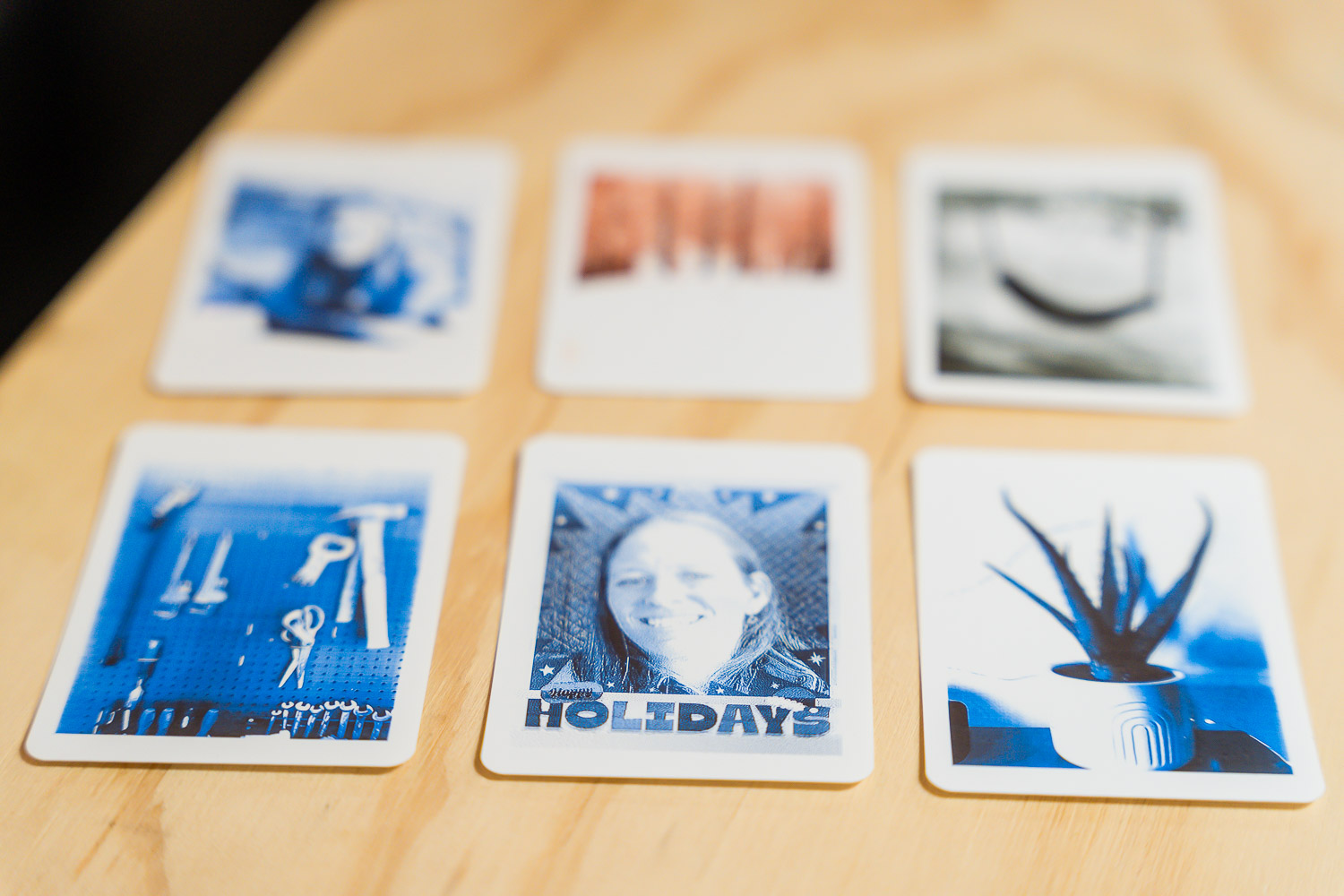
Photo and Video Quality
The P2 doesn’t just print quickly—it also captures high-quality images and video. It offers up to 48MP (interpolated) photos and 1080p video recording, so kids aren’t just snapping blurry snapshots—they’re learning real photography skills. With both a main and a selfie lens, it’s easy for kids to frame themselves, friends, pets, or family moments without needing a separate device. This dual-lens setup also encourages creativity, letting kids experiment with different perspectives and compositions.
Creative Tools
Kiimento has packed the P2 with fun creative tools. There are 25+ filters and frames, plus Normal and Creator modes that let kids adjust print density and experiment with different styles. Whether your child is just exploring photography or loves to get artistic with their prints, the P2 provides hours of creative play and encourages them to think about storytelling through images.
Display
The 2.4-inch HD screen is clear and bright, making it easy to frame shots, preview photos, and scroll through images before printing. This gives kids immediate feedback on their compositions and lets them decide which photos they want to print, reinforcing the connection between taking pictures and enjoying the results.
Power and Storage
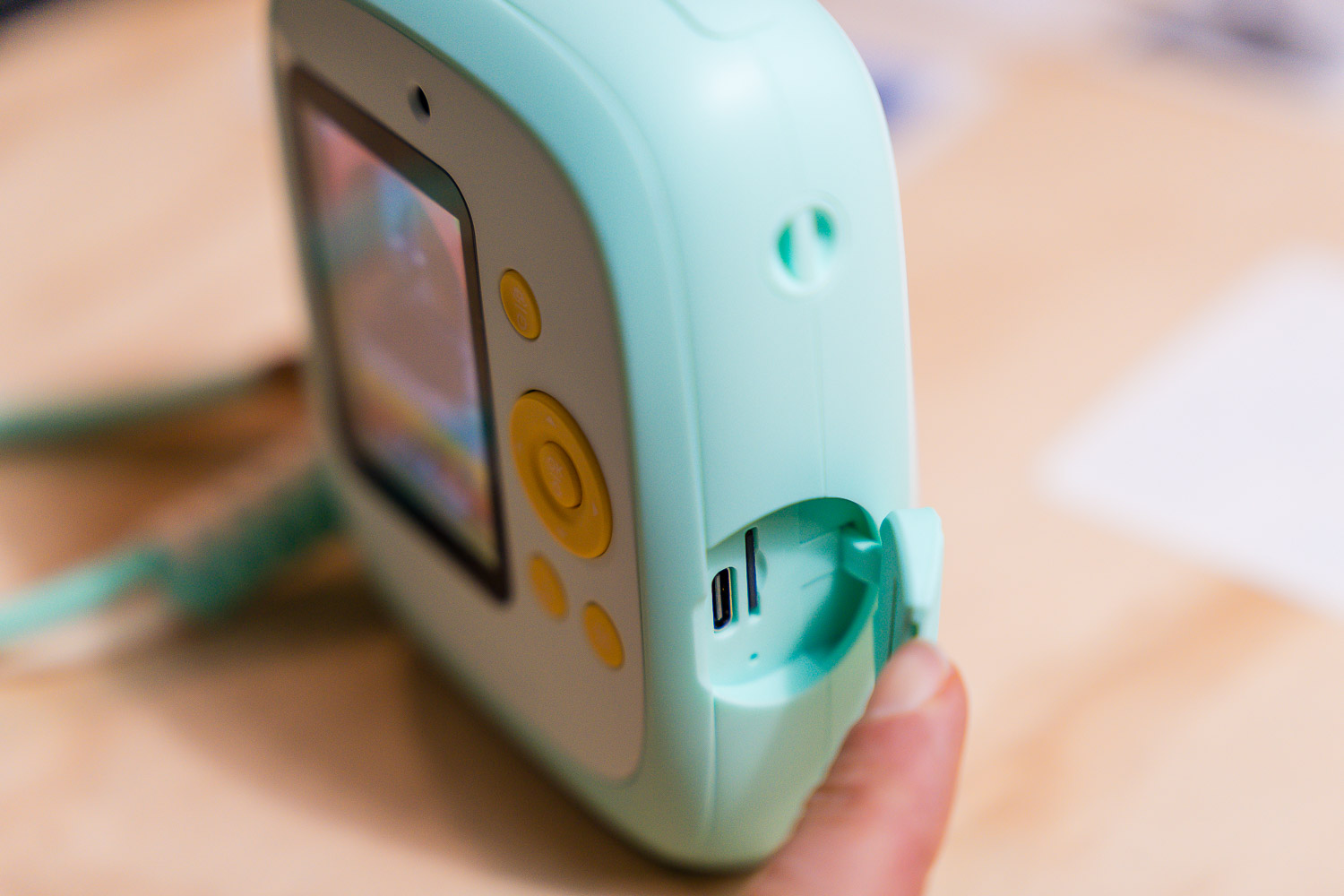
The Model P2 is powered by a 1,500 mAh rechargeable battery, charged via USB-C, so you won’t need to constantly replace batteries. Plus, it comes with a 32GB memory card pre-installed, which is rare at this price point. That means kids can store hundreds of photos and videos right out of the box—perfect for travel, holidays, or weekend adventures.
Extras
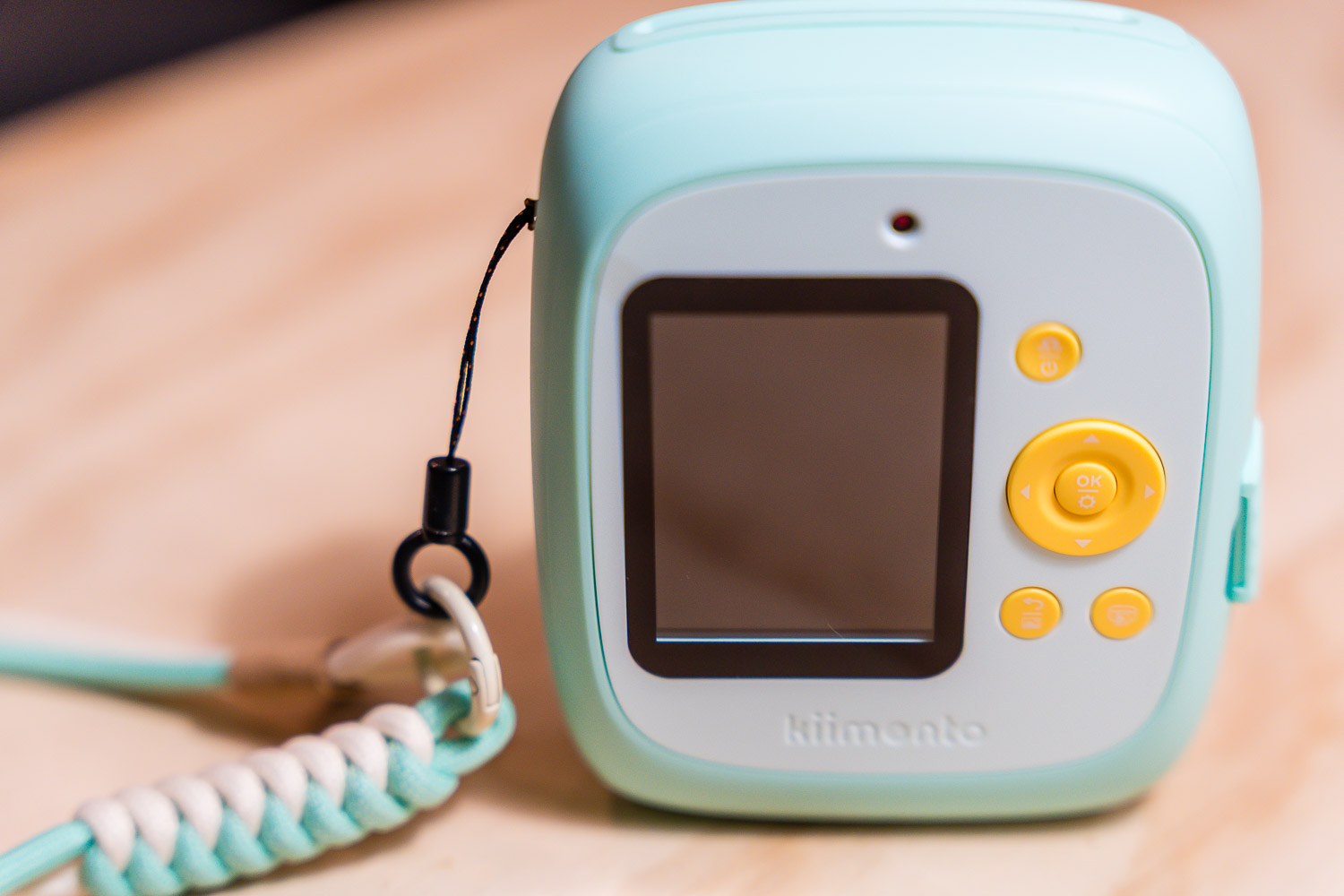
Kiimento has thought of the little details that make a camera feel special. The P2 comes with a handmade strap and USB-C cable in the box, making it ready to go anywhere your kids want to explore. It’s a camera that feels durable and real, not just a toy, which is something my own kids immediately noticed and loved.
Overall Impression
The Kiimento Model P2 is a refined, faster, and more creative version of the original Kiimento Model P camera. It keeps all the fun and style but adds practical upgrades that make photography easy, enjoyable, and rewarding for kids. From instant prints to digital storage, and from high-resolution photos to creative filters, it’s designed to inspire a love of photography while letting kids experience the joy of seeing their work come to life.
Pro Tip: Let your kids experiment with both the print and digital modes. It’s a great way to teach them about composition, lighting, and creativity while having tangible keepsakes they can share or display.
Be sure to comment on our YouTube video for a chance to win a Kiimento Model P2 and get your child started behind the lens!
Kiimento Model P2 – Key Features at a Glance
🖨 Ink-Free Instant Printing
- Prints in just 5 seconds
- 4 color styles
- BPA/BPS-free, 3×2 inches
📸 Photo & Video
- Up to 48MP (interpolated) photos
- 1080p video recording
- Main + selfie lenses
🎨 Creative Tools
- 25+ filters and frames
- Normal / Creator modes
- Adjustable print density
📺 Display
- 2.4-inch HD screen for framing and previewing
🔋 Power & Storage
- 1,500 mAh rechargeable battery (USB-C)
- 32GB memory card pre-installed
🎁 Extras
- Handmade strap & USB-C cable included
- Feels durable and real, not just a toy
🌟 Why Kids Love It
- Instant prints + digital storage
- Fun, playful, and easy to use
- Perfect for weekend adventures or everyday moments
Practical Photography Tips for Parents

- Match the camera to your child: Instant prints for quick feedback, film cameras for a challenge. Balance simplicity with room to grow creatively. Take your kids’ personalities and goals into account. If your kid wants that instant feedback, you might choose something that instantly prints their photos. If your kid needs a challenge, you might consider an old film camera. You don’t want something that they’re going to be bored by or that will be too complex and complicated for them. The goal is to find that sweet spot for creativity where they are challenged enough to grow but not too stressed to get in the zone.
- Embrace imperfection: Celebrate experimentation and unique shots. Don’t worry about perfect photos. Let go of perfectionism and embrace failure. Creativity is all about experimenting and taking risks, and letting that be part of the fun.
- Make it fun: Scavenger hunts, sunset walks, or mini photo challenges. Encourage sharing, slideshows, or printing images to make it interactive.
- Encourage creativity: Let kids experiment with filters, frames, and photo projects. Instant print cameras like the Kiimento P2 make this easy.
- Promote safe handling: Wrist or shoulder straps help prevent drops. Rugged cameras are essential for younger kids.
Frequently Asked Questions
Q: At what age should a child have a camera?
A: Toddlers can use rugged, simple cameras (ages 3–5). Elementary-age kids can use point-and-shoot or instant print cameras, while preteens/teens may enjoy beginner DSLRs or mirrorless cameras.
Q: What is the best first camera for a 5–6-year-old?
A: Options for smaller kids include the Kiimento Model P2, VTech KidiZoom Duo, Oaxis myFirst Camera 2, and Instax Mini 9. Look for durability, ease of use, and fun features.
Q: Why do teens want a digital camera instead of a phone?
A: Teens often enjoy manual controls, creative flexibility, and better image quality, which phones can’t fully offer. Photography becomes a serious creative outlet.
Q: How do kids’ instant print cameras work?
A: Cameras like the Kiimento P2 use thermal or film printing to produce small prints within seconds. Some combine digital storage with instant prints, offering flexibility.
Q: Are cameras better than phones for kids?
A: For learning photography and focus, yes, especially when considering cameras that provide great value. Cameras reduce distractions, encourage mindfulness, and teach composition, light, and storytelling.
Creative Photography Projects for Kids
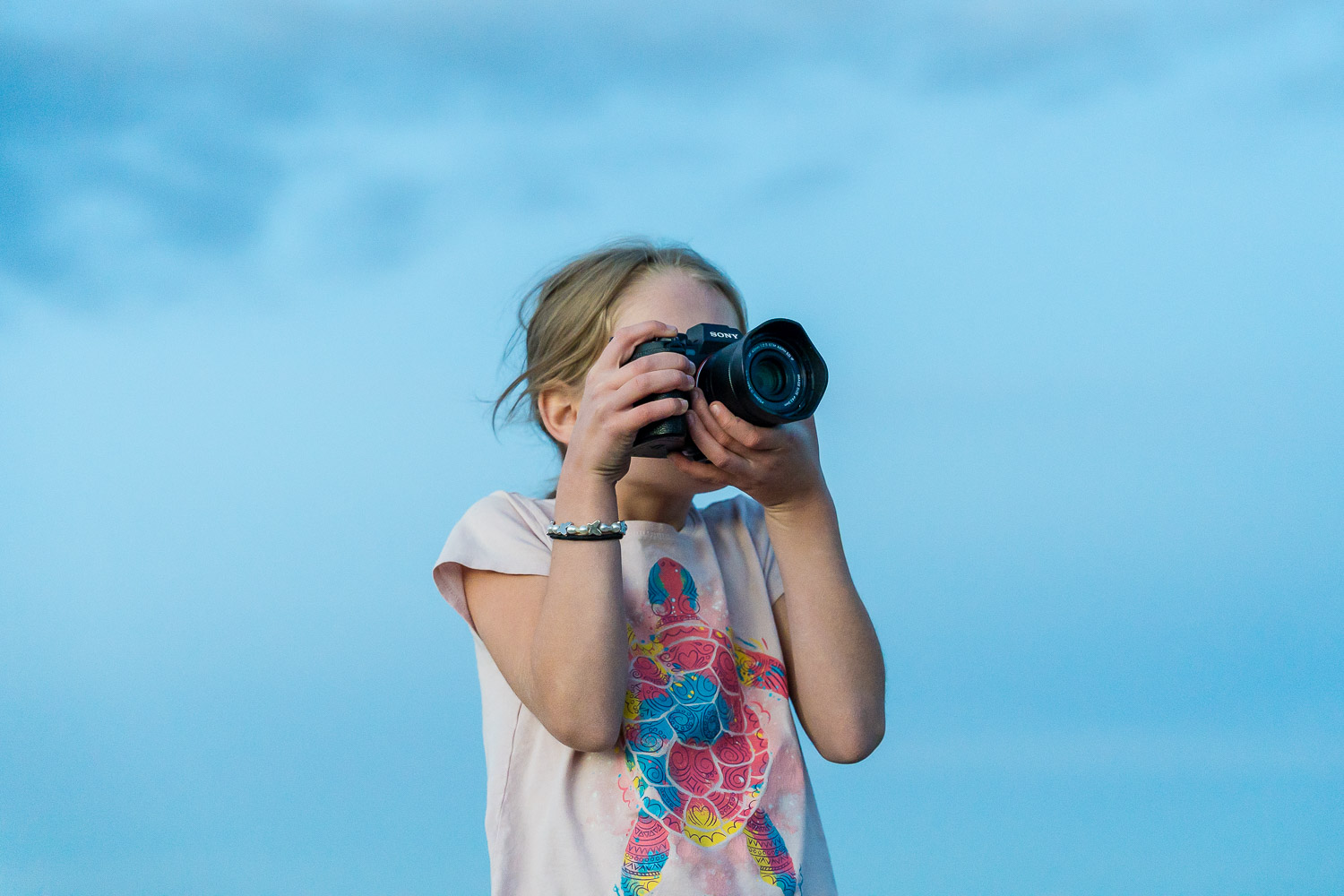
Once your child has their camera, the fun really begins. Beyond just taking pictures, setting up small projects and challenges can keep them engaged and help them develop a sense of storytelling and composition. Here are some ideas:
1. Photo Scavenger Hunt
Create a list of things for your child to find and take photos of—shapes, colors, textures, or objects in nature. You can make it theme-based, like “Autumn Adventure” or “Backyard Wildlife”, encouraging them to explore and look more closely at their environment.
2. Daily Photo Challenge
Encourage kids to take one photo per day of something that makes them happy, curious, or surprised. At the end of the week, you can print a mini gallery using their instant print camera, helping them see the story their week tells.
3. Mini Photo Exhibitions
Pick a wall or a bulletin board at home and create a rotating photo gallery. Kids can print their favorite shots and display them for the family. This not only gives them pride in their work but also teaches curation and presentation skills.
4. Storytelling Through Photos
Challenge them to take a series of photos that tell a short story. For example, “A Day at the Park” or “My Favorite Toy’s Adventure.” This project encourages sequencing, creativity, and narrative thinking, essential skills for budding photographers.
5. Family Photography Projects
Take the camera along on family outings—hikes, vacations, or just daily life. Encourage kids to document moments from their perspective, then compare their photos with yours. This fosters connection, conversation, and reflection on what they notice versus adults.
6. Print & Create
Instant print cameras like the Kiimento Model P2 allow kids to make physical creations. They can build photo scrapbooks, greeting cards, or collages using their prints, combining photography with other creative arts. This helps them understand how images can be used beyond the screen.
By turning photography into a playful, goal-oriented activity, kids develop not only technical skills but also observation, focus, and storytelling abilities. These projects are simple, screen-free ways to encourage creativity, problem-solving, and pride in their own work.
Comparing Top Kids Cameras for Kids
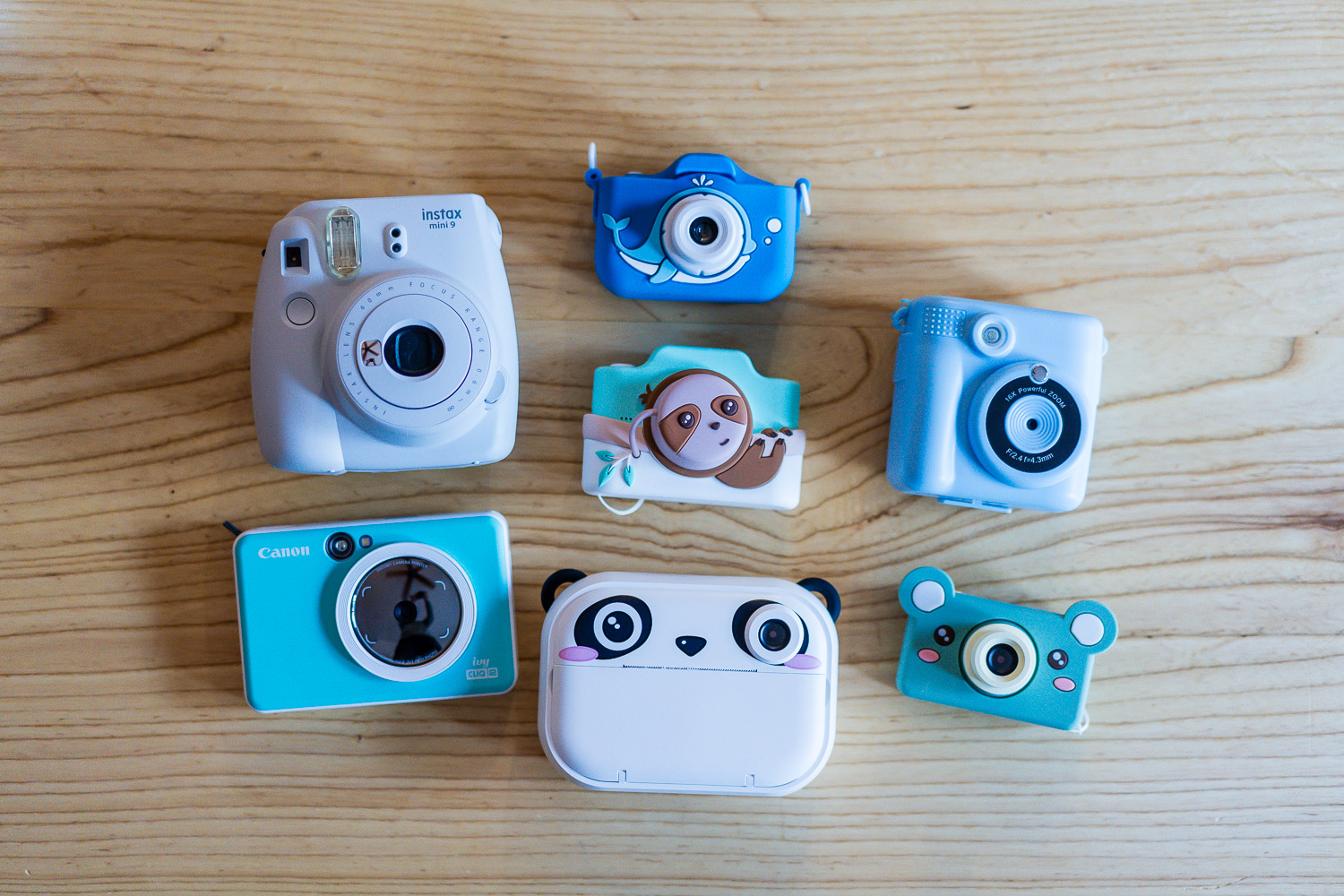
Kiimento Model P2
Age: 8+ (5‑7 with supervision)
Price: ~$100‑140 USD – Check Price Here
Type: Hybrid – Digital + Print
Capabilities: 48MP interpolated, 1080p video, main + selfie lens, 2.4″ HD screen, ink-free thermal color printing, 4 print styles, rechargeable USB‑C, 32GB memory card included
Pros: High-quality prints, fun and durable, digital storage, multiple creative modes
Cons: Slightly larger than some entry-level models, pre-order only
Vivitar Kidztech Kids Digital Camera
Age: 3‑9 years
Price: ~$20‑30 – Check Price Here
Type: Digital Only
Capabilities: Basic digital camera, simple controls, 12‑16MP photo, 1080p video, rubberized case, drop-resistant
Pros: Super affordable, very simple, rugged for young kids
Cons: Limited features, no instant prints, low resolution
Kiimento Model A
Age: 3‑6 years
Price: ~$50 – Check Price Here
Type: Digital Only
Capabilities: Digital only, selfie lens, durable silicone/ABS body, easy buttons
Pros: Cute design, simple interface, durable
Cons: No instant prints, basic photo quality
Oaxis myFirst Camera 2
Age: 4‑8 years
Price: ~$60 – Check Price Here
Type: Digital Only
Capabilities: Digital photos, video, waterproof housing, compact design
Pros: Rugged and waterproof, affordable, easy for small hands
Cons: No prints, basic image quality
VTech KidiZoom Duo FX
Age: 3‑9 years
Price: ~$65‑80 – Check Price Here
Type: Digital Only
Capabilities: Dual-lens for selfies, 1080p video, basic games, durable rubberized case
Pros: Safe and durable, fun built-in games, dual-lens selfies
Cons: Limited print options, more toy-like than serious photography
Kodak Printomatic
Age: 7+ years
Price: ~$70 – Check Price Here
Type: Hybrid – Digital + Print
Capabilities: Instant prints, digital storage, simple point-and-shoot
Pros: Both digital and physical photos, simple interface
Cons: Prints lower resolution than premium instant cameras
Fujifilm Instax Mini 12
Age: 6+ years
Price: ~$90 – Check Price Here
Type: Instant Print Only
Capabilities: Instant prints, simple exposure control, built-in flash
Pros: Fun instant prints, simple operation, durable
Cons: No digital storage, manual exposure ring can confuse younger kids
Kiimento Model K
Age: 5‑8 years
Price: ~$80 – Check Price Here
Type: Digital Only
Capabilities: 3″ HD touchscreen, main + selfie lens, 1080p video, 32‑48MP interpolated, silicone case
Pros: Touchscreen, great for learning photography, digital storage, kid-friendly design
Cons: No instant prints, slightly more expensive than ultra-budget models
myFirst Insta 20
Age: 4‑12 years
Price: ~$80‑100 – Check Price Here
Type: Hybrid – Digital + Print
Capabilities: Instant print, digital storage, fun kid-friendly designs
Pros: Easy to use, both digital and printed photos, fun for younger kids
Cons: Print quality moderate, fewer creative modes than premium models
Entry-level Mirrorless (Sony A6000 / Canon M50)
Age: 10‑16+ years
Price: $600+ – Shop Canon M50 / Shop Sony a6000
Type: Digital Only
Capabilities: Full manual controls, interchangeable lenses, 4K video, high-resolution, flip screens
Pros: Excellent image quality, manual controls, grows with skill level
Cons: Expensive, heavier, requires a learning curve
How to Think About Budget Tiers
- Budget ($50‑$80): Kiimento Model A, Vivitar Kidztech
- Mid‑tier ($80‑$120): Kiimento Model P2, myFirst Insta 20
- Premium (>$500): Canon M50 or Sony a6000
Summary of Kids Camera Tips
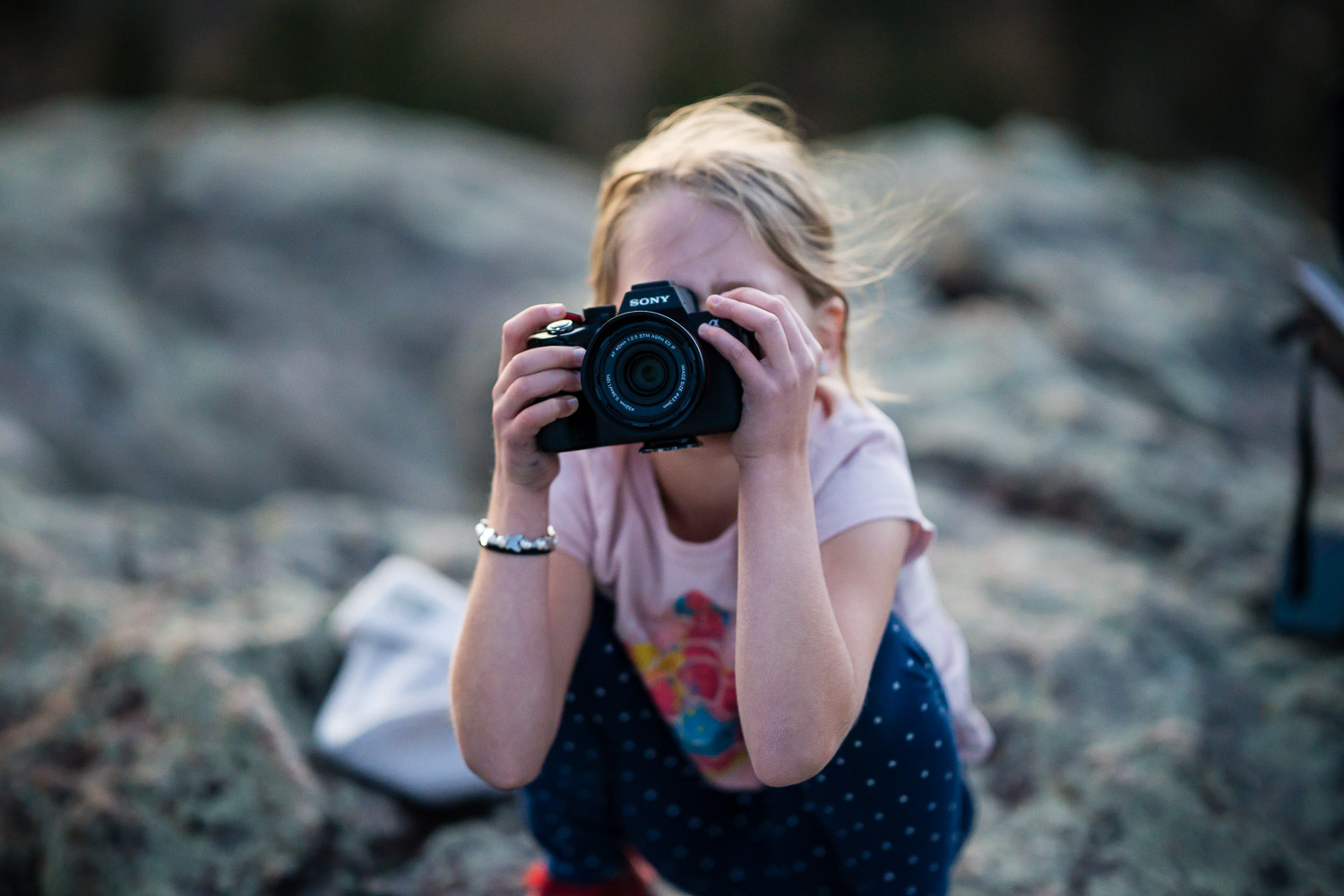
Leaving the phone behind and giving your child a real camera can cultivate creativity, mindfulness, and connection, allowing them to capture beautiful pictures. Cameras encourage kids to slow down, observe, and experiment, helping them see the world in a new way.
The Kiimento Model P2 and other kid-friendly cameras are designed to spark curiosity, capture memories, and create fun experiences for young photographers.
Remember: the best way to learn photography is to see the world with wonder, and sometimes the best teachers are our kids.
For more inspiration and camera options, check out my video on the Best Kids Cameras of 2025.
Thanks so much for reading, if you have a question about which camera to get, leave a comment down below and we’ll do our best to get back to you!