Best Camera for Travel 2025
Best Travel Cameras in 2025: The Ultimate Guide to Choosing the Right Camera for Your Adventures
If you’re trying to find the best camera for travel in 2025, you’re in the right place. Whether you’re jetting off to a tropical island, road-tripping through the mountains, or exploring a new city, choosing the right travel cameras can make all the difference in capturing your adventures.
In this post, I’ll break down what makes a great travel camera, the pros and cons of different types, and my top recommendations for every kind of traveler, from smartphone shooters to professional photographers who want to pack light.
I’ll also share how I’ve used travel cameras around the world, plus tips to help you choose based on your own goals, budget, and travel style. Let’s find you the best camera for travel.
Want to get straight to shopping? Here are my top picks:
Best Cameras for Travel in 2025
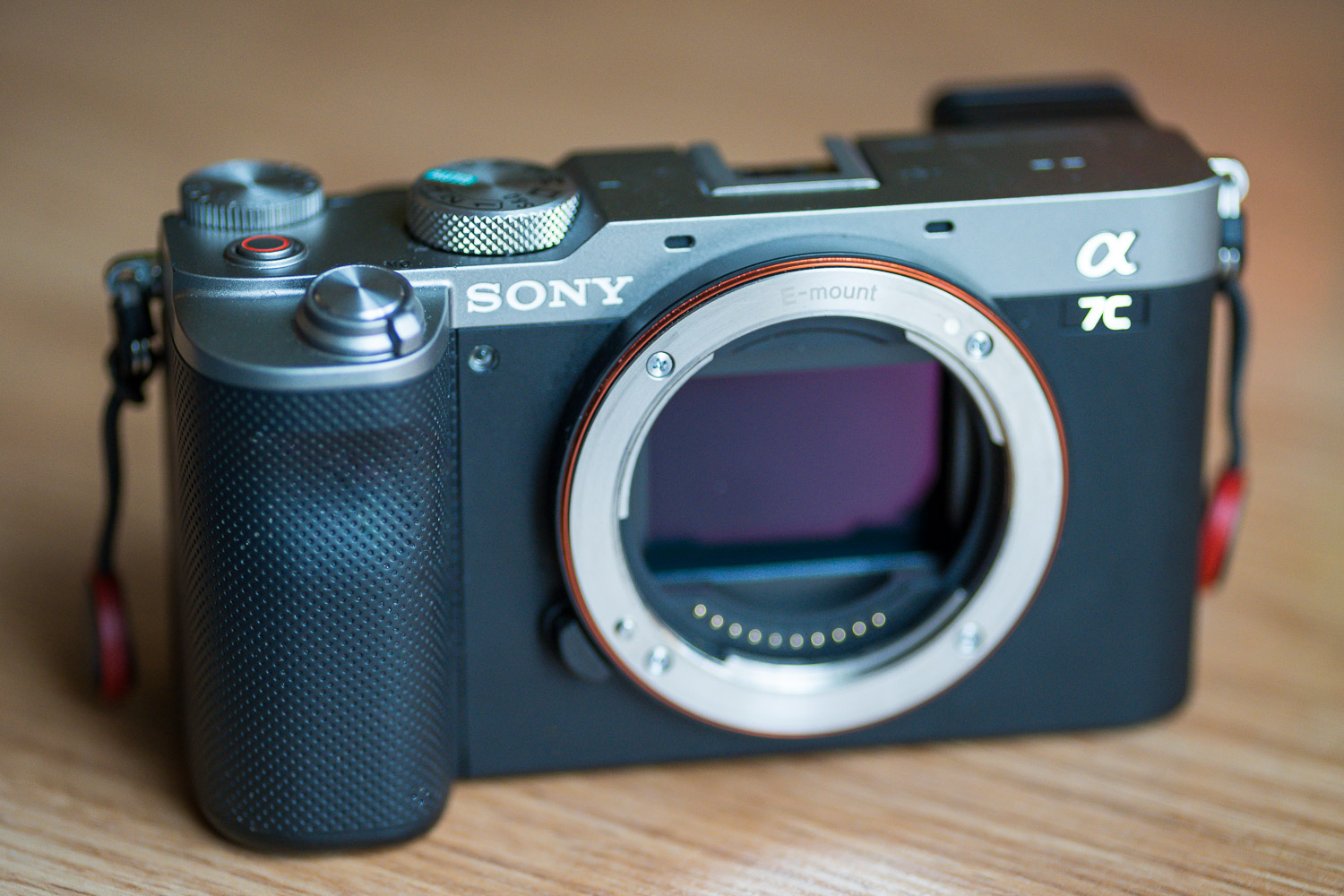
- Sony A7C (or A7CR)- full frame performance in a compact size (A7CII is newer/better but more $)
- THIS IS MY FAVORITE COMPACT CAMERA!!
- Fujifilm X-S20 – perfect for the minimalist that loves retro styling
- Canon R8 – solid full-frame value with classic Canon ergonomics
- DJI Mini 4 Pro – perfect for the traveler exploring aerial perspectives
- GoPro Hero 13 Black – best for the thrill seeker: diving, skiing, biking, skydiving, etc
- Sony RX100 VII – ultralight compact performance for those not wanting to ever change lenses
Want take Better Travel Photos? Get the Guide!
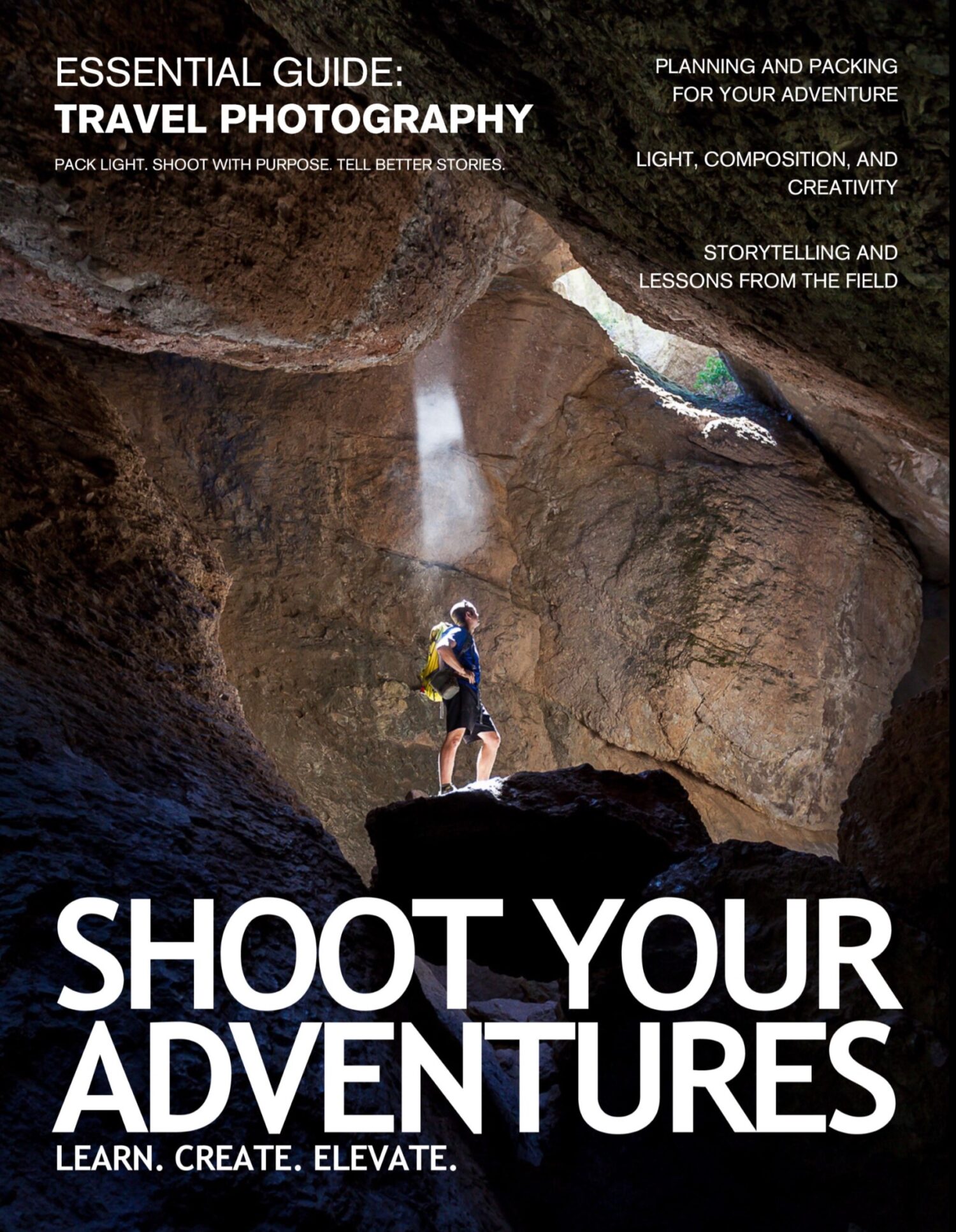
Get our Ultimate Guide to Travel Photography! Pack light. Shoot with purpose. Tell better stories.
If you’re planning any summer adventures, you’ll definitely want to check out our Travel Photography Guide. Whether you’re shooting the streets of a new city or chasing light in the backcountry, this guide is built to help you travel smarter and shoot with purpose. It’s packed with tips on lighting, composition, and storytelling—plus location-scouting strategies, packing advice, and curated gear recommendations to help you stay nimble and creative on the go.
What Makes a Good Travel Camera?
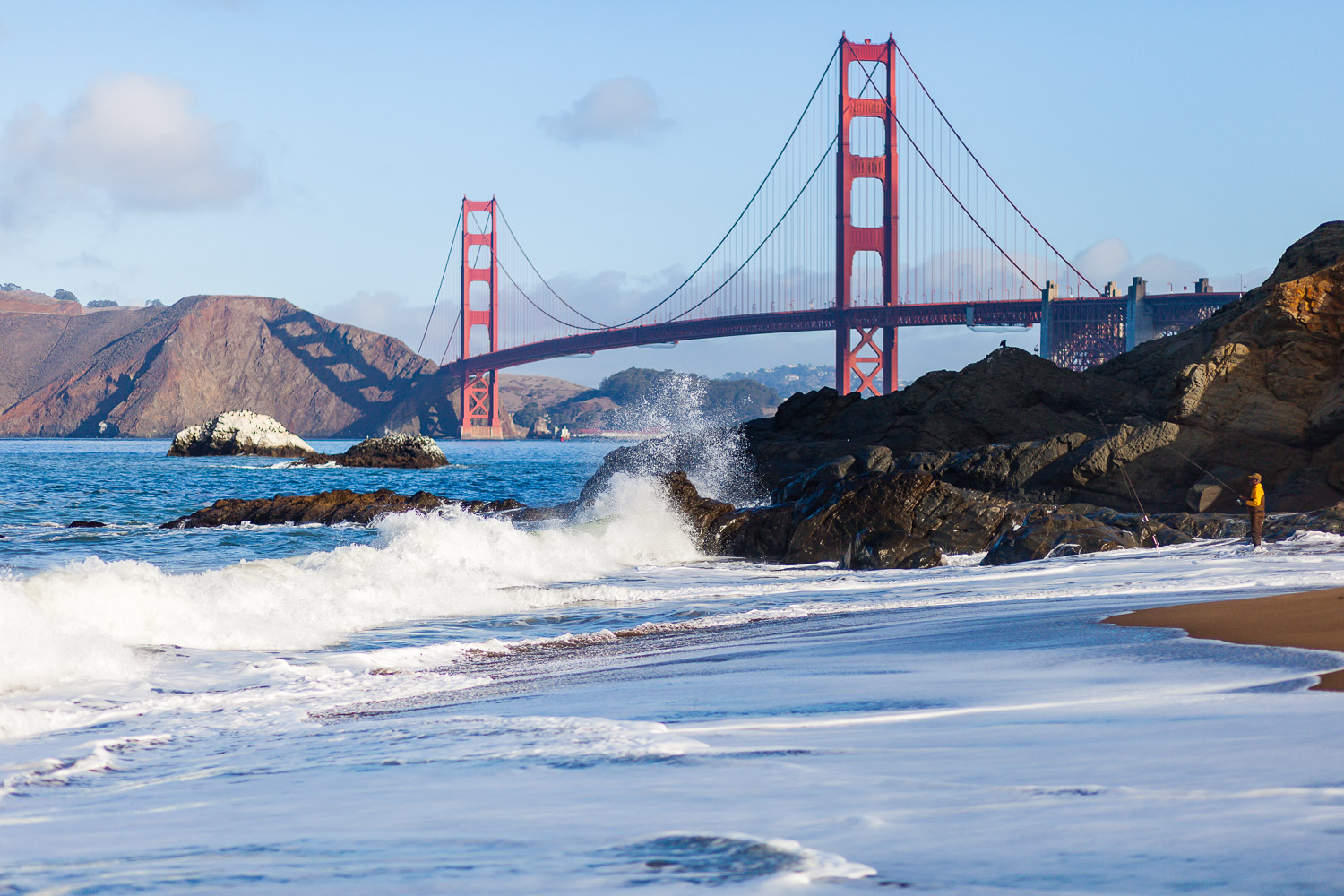
Before diving into specific cameras for travel photography, it’s important to understand what actually matters when choosing a travel camera. You want gear that fits your travel style, not just what sounds good on paper. In this section, I’m going to dive into the criteria I use to determine the best travel cameras for myself and to recommend to you.
1. Size & Weight
When you’re walking through cobblestone streets, hiking steep trails, or racing to catch a sunrise, a bulky camera can quickly become a burden. Travel cameras should be compact enough to fit in your daypack or even a pocketable camera that can slide into a jacket pocket.
The best camera is the one you’re actually willing to bring along. Compact cameras are often preferred for their ability to fit into smaller carry bags and pockets. Choosing a compact and lightweight camera prevents fatigue during long travel days.
Pro tip: Mirrorless cameras or high-end compacts strike a great balance between portability and performance.
2. Image Quality
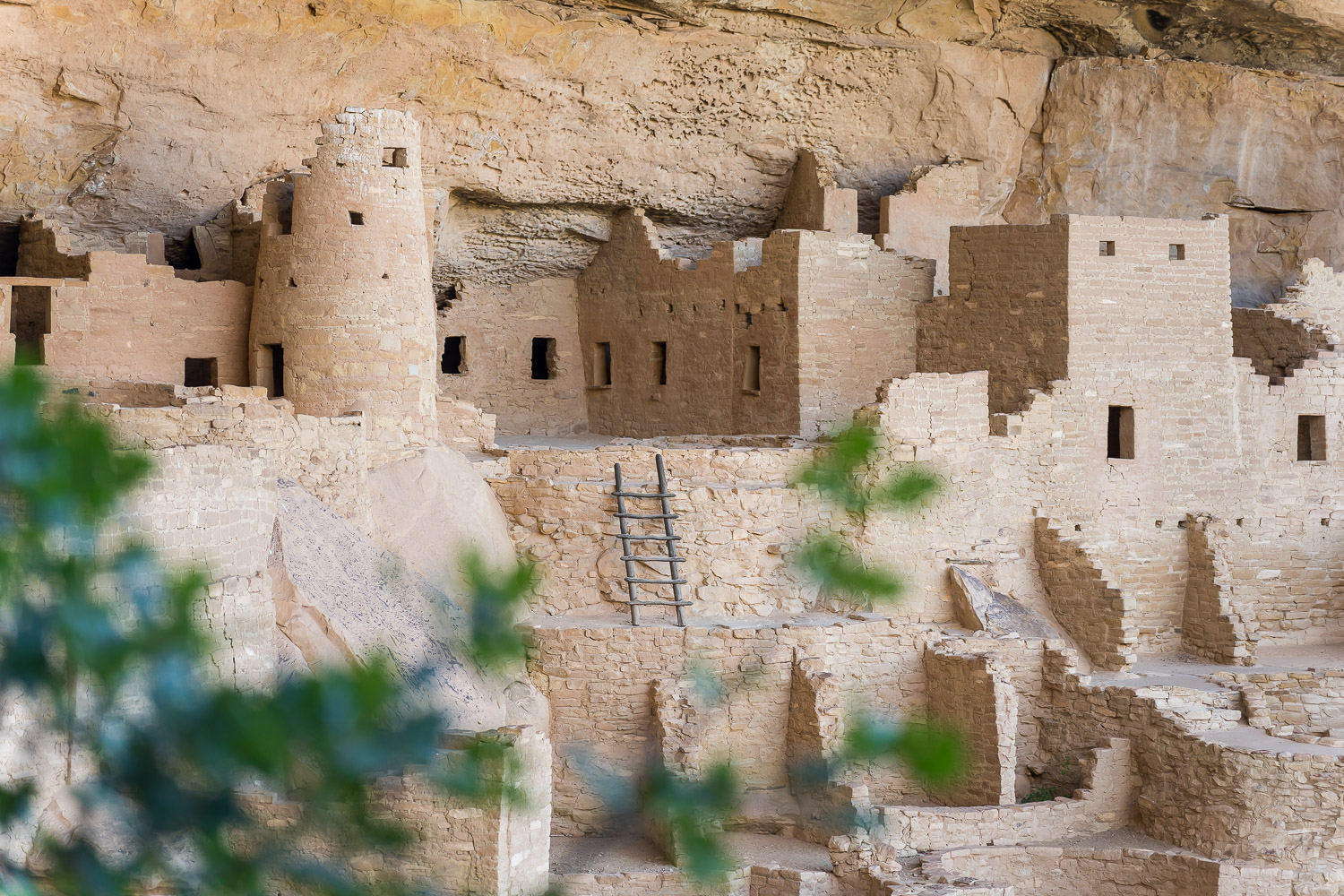
The whole point of upgrading from your phone is to get images that pop, with better dynamic range, richer colors, and sharper details. That usually means a larger sensor (like APS-C or full-frame), a high-quality lens, or ideally both. Full-frame cameras can produce more focus separation and are better in low light than APS-C cameras. Even 1-inch sensors in premium compact cameras can outperform phones in low light or tricky lighting situations.
Dedicated cameras typically offer better low light performance than smartphones, which is a benefit for night photography. Dedicated cameras usually have superior autofocus and subject tracking compared to most smartphones. Modern cameras often have excellent autofocus systems to ensure sharp images of moving subjects.
Look for cameras with RAW photo support for more editing flexibility (all the cameras listed above have this).
3. Durability
Travel can be rough. Think: sudden weather changes, sandy beach shoots, or an accidental knock against a rock or bus seat. Look for cameras with weather sealing, magnesium alloy builds, or reinforced bodies. Even a simple rubber grip and well-designed dials make a camera feel more rugged and ready for adventure.
If you’re traveling somewhere unpredictable, throw in a lightweight rain cover or a padded case.
4. Ease of Use
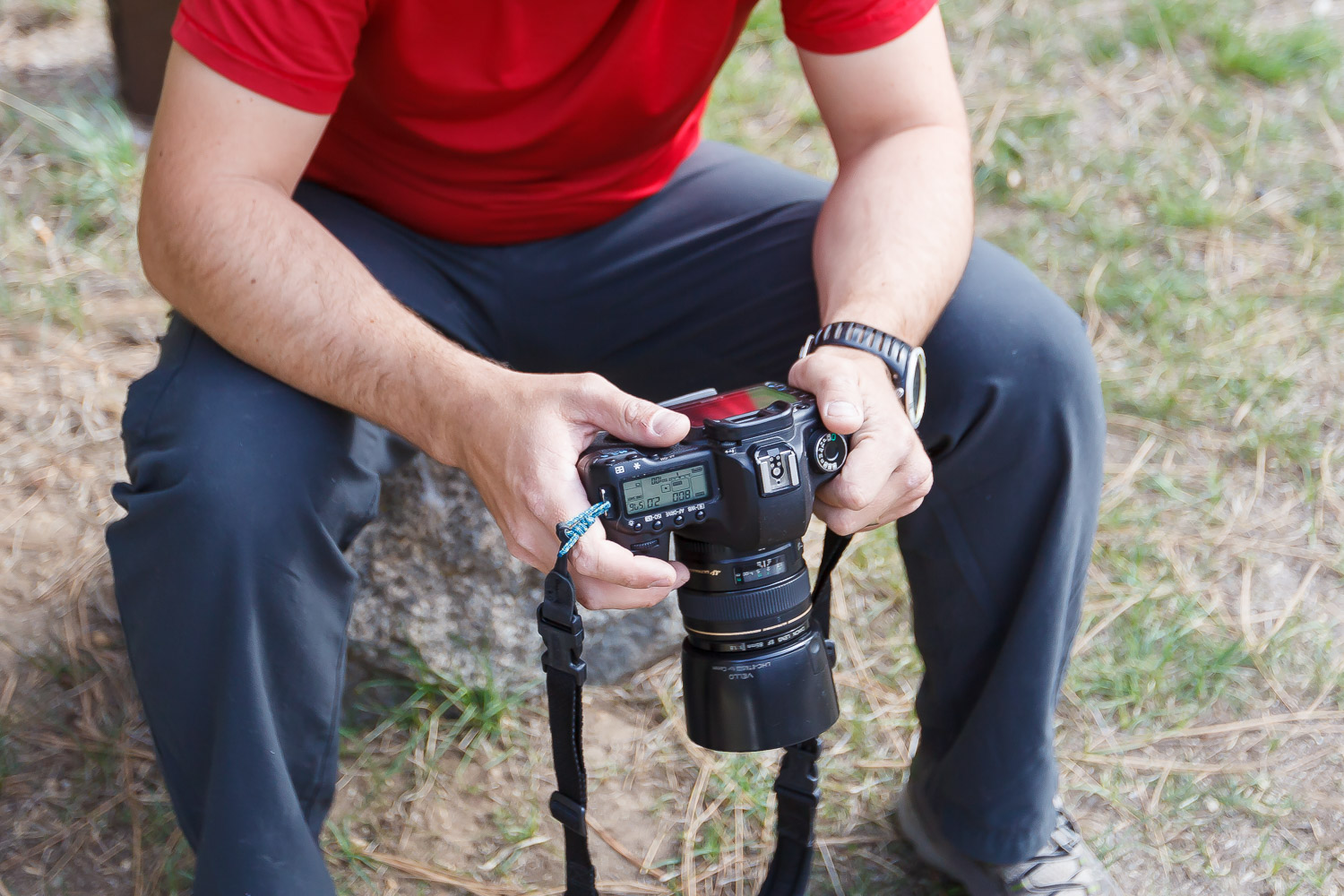
You don’t want to spend 20 minutes fiddling with settings while the light fades or the moment passes.
A good travel camera should have intuitive menus, responsive autofocus, and simple controls. Some models even have customizable buttons so you can set it up your way.
Touchscreens and a good electronic viewfinder make framing and focusing faster, especially in bright conditions.
5. Lens Options
Travel often throws a variety of photo opportunities your way—sweeping landscapes, street scenes, tight interiors, portraits, and wildlife. Having access to different focal lengths is key. A zoom lens with a good range (like 24–70mm) is incredibly versatile, or you can carry a couple of lightweight primes if you’re more intentional.
Using a prime lens encourages creativity and better composition by forcing the photographer to move closer to subjects. A wide prime can be a great option to encourage you to zoom with your feet.
6. Battery Life
When you’re out exploring all day, finding an outlet is not always an option. Cameras with strong battery life give you peace of mind, especially when you’re shooting all day or filming video. Mirrorless cameras tend to burn through batteries faster, so it’s smart to check the rated shot count and carry backups.
Most cameras now support charging through a USB port on the go so you can also carry a portable charger.
7. Video Features
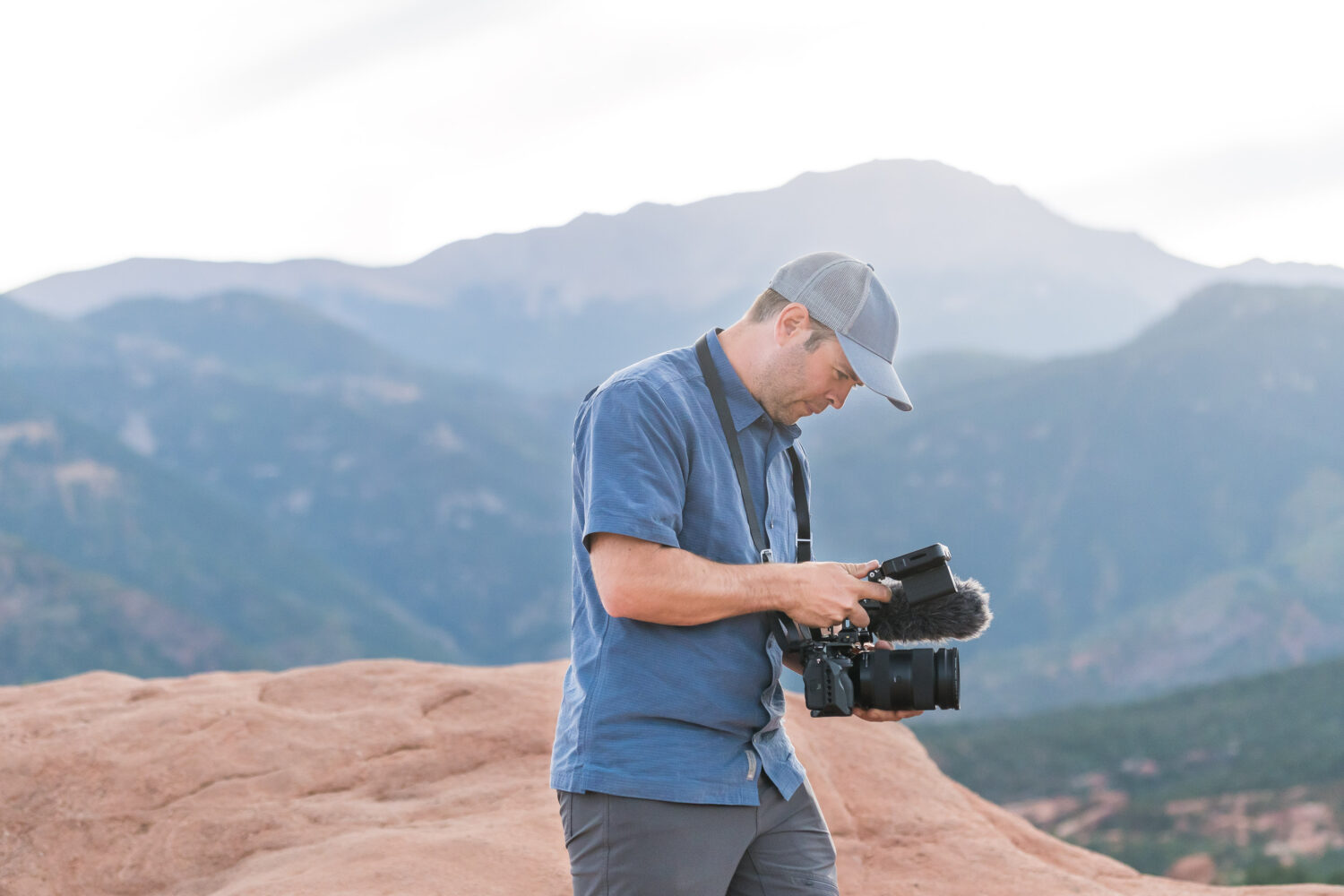
Whether you’re filming vlogs, B-roll, or cinematic landscapes, strong video specs can turn your travel memories into something really special. Look for 4K capability, decent frame rates, in-body image stabilization (IBIS), and good audio input options. Even if you’re not a pro videographer, a camera with smooth autofocus and stabilized footage makes a big difference. Most of the time, I opt to shoot video on my phone because the stabilization and computational sensors have gotten so good (except in low light).
In-body image stabilization helps reduce camera shake, especially in low-light conditions or while shooting video.
Bonus points if it has a flip screen for vlogging and solid built-in mics and headphone jack support.
8. Cost & Affordability
Let’s be honest—travel can already stretch your budget. You don’t need the most expensive gear to take amazing photos. The best travel camera is one that fits your budget and your creative needs.
Whether you’re looking for a compact under $500 or a mirrorless setup under $2,000, there are solid options at every price point. Think long-term: Will you need to buy lenses later? Extra batteries? Filters?
I always encourage people to start small, buy used, and look for a deal, don’t just impulsively buy the best camera you can’t afford. You can also sell used camera gear online and recover most of the money you spent if you want to upgrade later.
Consider the total system cost, not just the camera body. Start with what you’ll actually use—then upgrade as your needs grow. It’s better to buy a great camera you can afford than a dream setup you’re afraid to take out of your bag.
The Different Types of Travel Cameras
Depending on your travel photography goals, shooting style, and experience level, travel cameras fall into five main categories. Each has strengths and trade-offs, so let’s break them down to help you pick what fits best.
1. Smartphones (Best for Casual Shooters)
If you’re just looking to capture memories without hauling extra gear, today’s smartphones are surprisingly capable. The latest iPhones, Google Pixels, and Samsung Galaxy phones use advanced computational photography to create sharp, vibrant images in nearly any condition.
- Pros: Always with you, easy to share, great video capabilities (including 4K and cinematic modes), and automatic backups to the cloud. Using a dedicated camera can be heavier and more cumbersome than simply using a smartphone for casual snapshots.
- Cons: Smaller sensors than traditional cameras, limited manual control, fixed lenses (though some offer multiple focal lengths now), and less creative flexibility in post-processing. For high-quality travel photos meant for printing, dedicated cameras generally outperform smartphones due to larger sensors and better optics.
Recommended Models:
iPhone 15 Pro, Google Pixel 8 Pro, Samsung Galaxy S24 Ultra
Ideal for: Travelers who prioritize convenience, quick snaps, and social sharing over manual control.
2. Compact Cameras (Best for Pocket-Size Convenience)
Compact cameras—or premium point-and-shoots—strike a nice balance between smartphone simplicity and higher-end camera quality. They offer bigger sensors, better optics, and some manual control, all in a pocketable body.
- Pros: Ultra-portable, better image quality than phones (especially in low light), great for discreet street photography or travel journaling.
- Cons: Smaller sensors and less creative control than mirrorless cameras; often lack a viewfinder or weather sealing.
Recommended Models:
Sony RX100 VII – excellent autofocus and video;
Canon G7 X Mark III – popular with vloggers for its flip screen and mic input.
Ideal for: Travelers who want better quality than their phone but don’t want the bulk of interchangeable-lens systems.
3. Mirrorless Cameras (Best All-Around Travel Camera)
For serious hobbyists or professionals who want stunning image quality without the size of a DSLR, mirrorless cameras are the sweet spot. These offer large sensors, interchangeable lenses, and advanced features in more compact bodies. Mirrorless cameras offer better image quality and versatility than compact systems, but can be heavier.
- Pros: Exceptional image and video quality, access to a range of lenses, advanced autofocus, and features like in-body stabilization.
- Cons: More gear to carry (especially with extra lenses), higher price points, and steeper learning curves.
Recommended Models:
Sony A7C (or A7CR)- full frame performance in a compact size (A7CII is newer/better but more $)
Fujifilm X-S20 – Gorgeous JPEG colors, great ergonomics, and impressive video. Fujifilm X-S20 is designed for hybrid shooters, providing great photo and video quality.
Canon R8 – Relatively affordable entry into Canon’s full frame mirrorless system with fast autofocus and compact size.
Ideal for: Creators and enthusiasts who want the best balance between performance and portability.
4. Action Cameras (Best for Adventure Seekers)
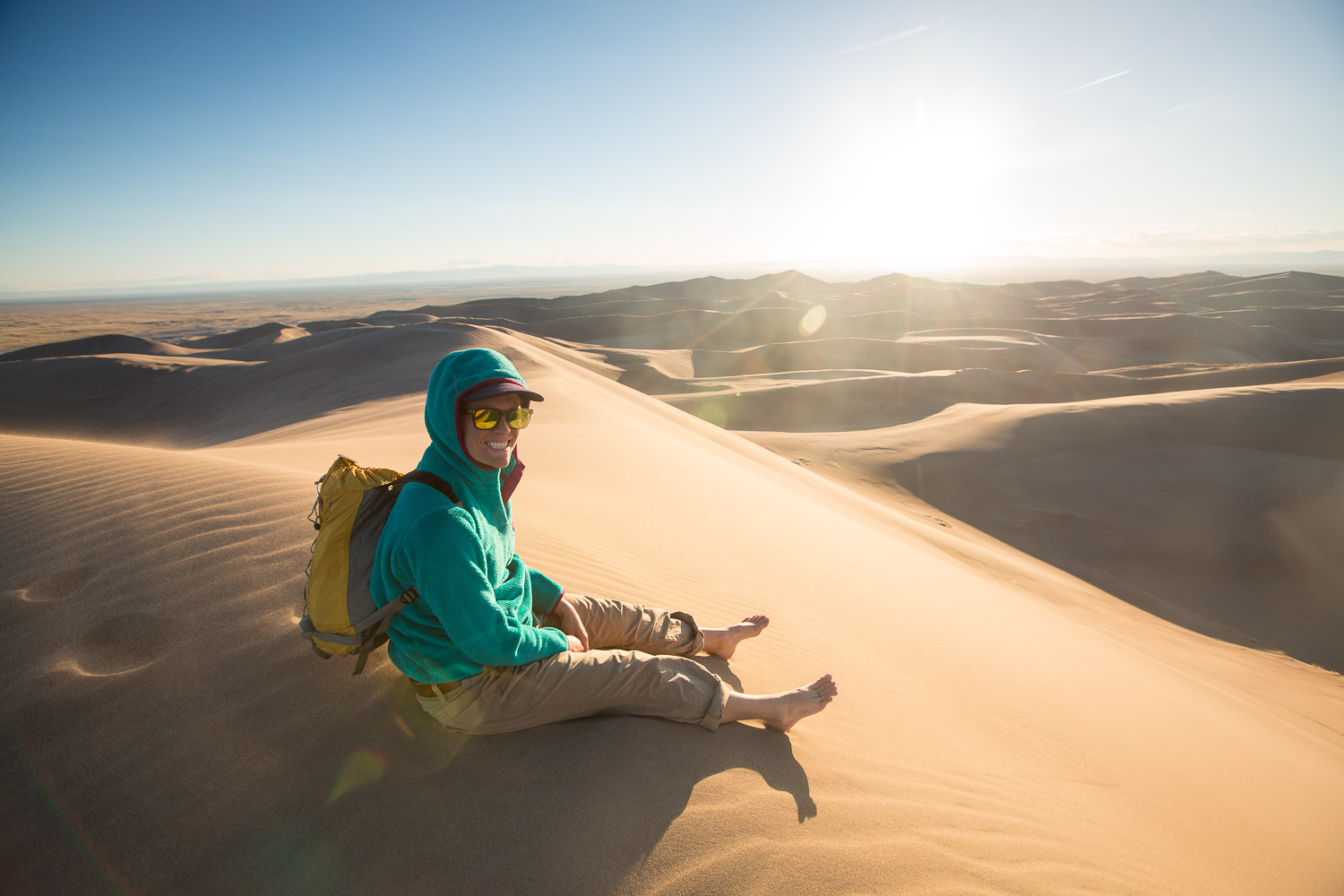
Planning to surf, snorkel, ski, or mountain bike? Action cameras are built to handle the elements. These tiny powerhouses capture ultra-wide video and stills, and often come waterproof and shockproof right out of the box.
- Pros: Super compact, tough, waterproof, and can mount virtually anywhere (helmets, handlebars, backpacks). Action cameras are robust and made for wild adventures.
- Cons: Limited manual control, not ideal for zoom or shallow depth-of-field, audio can be lacking without external mics.
Recommended Models:
GoPro Hero13 Black – Great stabilization and image quality. GoPro Hero13 Black is designed for action and robust adventures.
DJI Osmo Action 5 – Excellent low-light and user interface.
Ideal for: Adventure travelers, vloggers, and outdoor enthusiasts who prioritize durability and dynamic shots.
5. Drones (Best Camera for Aerial Perspectives)
Want to instantly elevate your travel photos—literally? Drones offer a creative, cinematic edge that’s hard to match. Today’s compact drones shoot high-quality video and stills, and many fit easily in your daypack.
- Pros: Stunning bird’s-eye views, cinematic motion, great for establishing shots or remote landscapes.
- Cons: Requires practice, has legal/regulatory limitations, flight time is usually limited to 30 minutes per battery.
Recommended Models:
DJI Mini 4 Pro – Lightweight and under 249g (no registration needed in many countries), with great obstacle avoidance.
DJI Air 3s – Dual cameras and longer flight time, ideal for more creative flexibility.
Ideal for: Filmmakers, travel vloggers, and anyone looking to add dynamic aerial shots to their travel stories.
Tips for Choosing Your Best Travel Camera
When it comes to picking the perfect travel camera, there’s no one-size-fits-all solution. To ensure you’re making the right choice, you need to consider what you’re actually going to be shooting with a digital camera , how much gear you want to carry, and how you want your photos and videos to turn out. Here are some key factors to keep in mind when choosing your travel camera:
1. Think About What You Actually Shoot – Landscapes? People? Video?
Different types of photography require different features in a camera, so it’s important to match your camera with your specific needs. If you’re someone who primarily shoots landscapes, you might prioritize a camera with a large sensor and excellent dynamic range for those sweeping vistas. If portraits are your focus, look for a camera with good subject isolation, such as a larger sensor (like full-frame) or the ability to shoot at a shallow depth of field with fast lenses. For vloggers, consider a camera that excels in video with a flip screen, smooth autofocus, and excellent audio input options.
- Landscapes: A wide-angle lens, a high-resolution sensor, and good low-light performance.
- Portraits: A camera with a larger sensor, great color rendition, and a fast lens.
- Vlogs/Video: A camera that can shoot in 4K, has a great autofocus system, and supports smooth, stable video.
Understanding your subject matter and shooting style will help you choose the camera with the right features.
2. Packability Matters – Don’t Underestimate the Benefit of a Smaller, Lighter Kit
While you might be tempted to bring along every piece of gear you own, it’s crucial to remember that you’ll likely be walking, hiking, and exploring for hours. The lighter your kit, the better. A large DSLR with multiple lenses can weigh you down, but a compact mirrorless camera with a versatile zoom lens or a quality prime lens will keep things manageable without sacrificing image quality.
If you’re looking to streamline your setup, consider travel-specific gear like a compact camera, a small mirrorless system, or even a high-end smartphone. Packing lighter allows you to be more flexible and mobile, giving you the freedom to capture moments without feeling weighed down.
3. One Good Lens > Many Average Ones
For mirrorless camera users, consider investing in a high-quality, versatile lens like a 24–70mm zoom or a fast prime lens like a 35mm or 50mm. These lenses can cover a wide range of situations, from landscapes to portraits, without the need to carry multiple heavy lenses. A good lens will deliver superior image quality, faster autofocus, and better low-light performance, making your life easier on the road.
Carrying fewer lenses also means fewer chances of losing or damaging your gear. For instance, a 35mm prime lens is a perfect all-around choice for travel—it’s compact, fast, and capable of handling a wide variety of shots.
4. Invest in Extra Batteries and Memory Cards – You’ll Thank Yourself Later
When you’re out exploring new places with your camera bag , the last thing you want is to run out of battery or memory space. Make sure to invest in extra batteries and high-capacity memory cards for your travels. While modern cameras are more efficient with power, shooting lots of images, especially in burst mode or shooting video, can drain your battery fast. Always have an extra battery on hand for those long days of shooting. Similarly, make sure you have enough storage to accommodate your photos and videos without constantly worrying about running out of space.
Having spare batteries and memory cards can help you avoid frustration and ensure you’re ready to capture every moment—whether it’s that perfect sunrise, a fleeting wildlife shot, or an impromptu moment.
5. Practice Before Your Trip – Get Comfortable with the Camera at Home Before You Hit the Road
One of the most important tips is to practice with your camera before your trip. Even if you’re upgrading from a similar model or just transitioning to a new camera, understanding how to navigate the settings, change lenses, and use the different modes is crucial. You don’t want to be fumbling with unfamiliar settings while you’re out in the field or at a tourist attraction.
Take the time to learn your camera’s strengths and weaknesses—how to adjust exposure, shoot in different lighting conditions, and use autofocus effectively. By familiarizing yourself with your gear at home, you’ll feel more confident and ready to take advantage of every travel photo opportunity that comes your way.
Capture Those Memories
By keeping these tips in mind, you can choose the best camera for your travel adventures and ensure that you’re prepared to capture your memories with ease and flexibility. Remember, a well-chosen camera in the digital camera world and a well-thought-out approach to your gear can make a huge difference in the quality of your travel photos and how much you enjoy the process.
More on our adventure stories:
https://youtube.com/playlist?list=PLUagtlegrh72TET1iEwL_xig4eViXpb0G&si=sdrHLZtig_NLDQcr
Final Thoughts: What’s the Best Camera for Travel?
There’s no one-size-fits-all answer to what is the best camera for travel, but there is a best camera for you. The ideal travel camera is the one that gives you great images without slowing you down. For some people, that’s a smartphone. For others, it’s a lightweight mirrorless kit with a couple of key lenses.
Start with what you already have, and upgrade as your needs evolve. And remember: it’s not about the gear—it’s about telling your story.
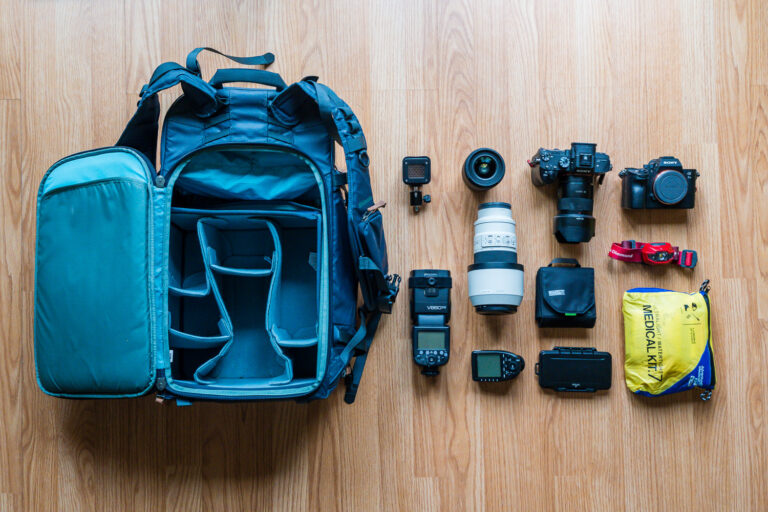
If you want to see what’s in our travel photography bag, check out our full Travel Photography Gear List and Tips for even more recommendations.
Got a question? Drop a comment or shoot us a message—we love helping fellow travelers and photographers!
Similar Content on the Blog
Looking for longer focal lengths for your full-frame cameras? We have content on some of the ideal focal lengths for every scenario. Learn everything you need to know about the 85mm focal length. And check out this 35mm to 50mm comparison.
On the blog find everything you need to know about drone photography, a comparison of mirrorless and DSLRs, our best gear for night photography, or our favorite Peak Design backpacks.
- Travel Photography Gear List and Tips
- 35mm Lens Guide
- 85mm Lens Guide
- Adventure Photography Gear Guide
- Photography Tips for Mountain Landscapes
- Tips for Outdoor Wedding Photographers
- Photography Portfolio Creation
- Travel Photography Gear
- Wedding Settings Guide
- Wedding Photography Tips for Beginners Guide to Camera Settings
- Minimalist Wedding Photography Gear
- What is the Rule of Thirds
- Adventure Photographer Gear
- ND Filter Beginners Guide
- Wedding Album Review
Have questions? Reach out, we’re here to help!
About the Authors
We’re the Bergreens, a husband-and-wife photography team based in Evergreen, Colorado. On our blog, we share gear tips, creative insights, and lessons from over a decade of shooting professionally. Dive into our favorite guides, from drone photography accessories to ND filters, or learn how to shoot with your favorite focal length.
Curious how 35mm and 50mm lenses compare? We’ve got you covered there too. We also offer free resources to help photographers thrive—whether you’re building a creative business or just trying to figure out what gear you really need. Download our Creative Business Guide or our Money + Gear Guide for Photographers to get started.
Got questions? Contact us—we’re always happy to help. And just so you know, some product links are affiliate links, which means we may earn a small commission (at no cost to you) if you make a purchase through them. It’s a great way to support the blog, and we only recommend gear we love.