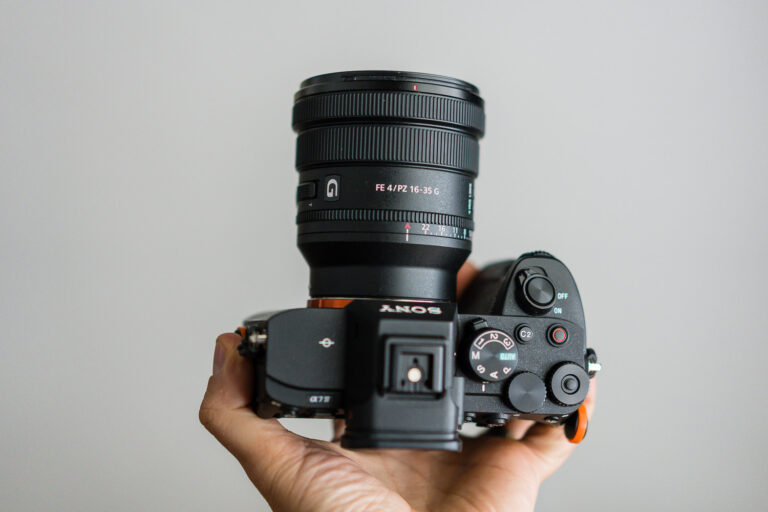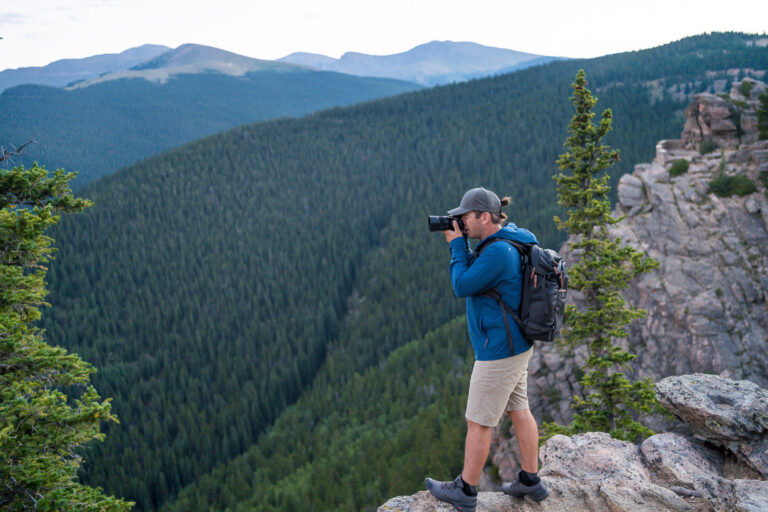
How to Shoot with a Wide-Angle Lens: Complete Guide
I love wide-angle lenses. They make me feel immersed in the environment and help me create images that feel experiential. But when you try them for the first time, your photos can feel distorted, busy, and hard to control. Every mistake is magnified — and you can’t just blur it away with bokeh.
But here’s the payoff: when you get it right, wide-angles deliver some of the most dramatic and rewarding shots you can take, giving you a sweeping view of the scene. , allowing you to create depth in your images. In this guide, I’ll explain:
- What wide-angle lenses are.
- Why they’re useful for landscapes, architecture, travel, and more.
- The pros, cons, and common mistakes.
- How to choose between zooms and primes.
- Practical tips for shooting with confidence.
👉 Looking for gear? Check out my favorite wide-angle lenses on Amazon:
Sony:
Sony 16-35mm f/2.8 GM: Buy on Amazon
- Sigma 16-28mm f/2.8: Buy on Amazon
Rokinon 35mm f/1.8: Buy on Amazon
Sony 35mm f/1.4: Buy on Amazon
Sony 35mm f/1.8: Buy on Amazon
Sony 16mm f/1.8: Buy on Amazon
- Sony 20mm f/1.8: Buy on Amazon
Canon:
Canon 15-35mm f/2.8: Buy on Amazon
Canon 15-30mm f/4.5-6.3: Buy on Amazon
- Canon 16-28mm f/2.8: Buy on Amazon
- Canon 14-35mm f/4: Buy on Amazon
Canon 35mm f/1.4: Buy on Amazon
Canon 35mm f/1.8: Buy on Amazon
Canon 16mm f/2.8: Buy on Amazon
What is a Wide-Angle Lens?
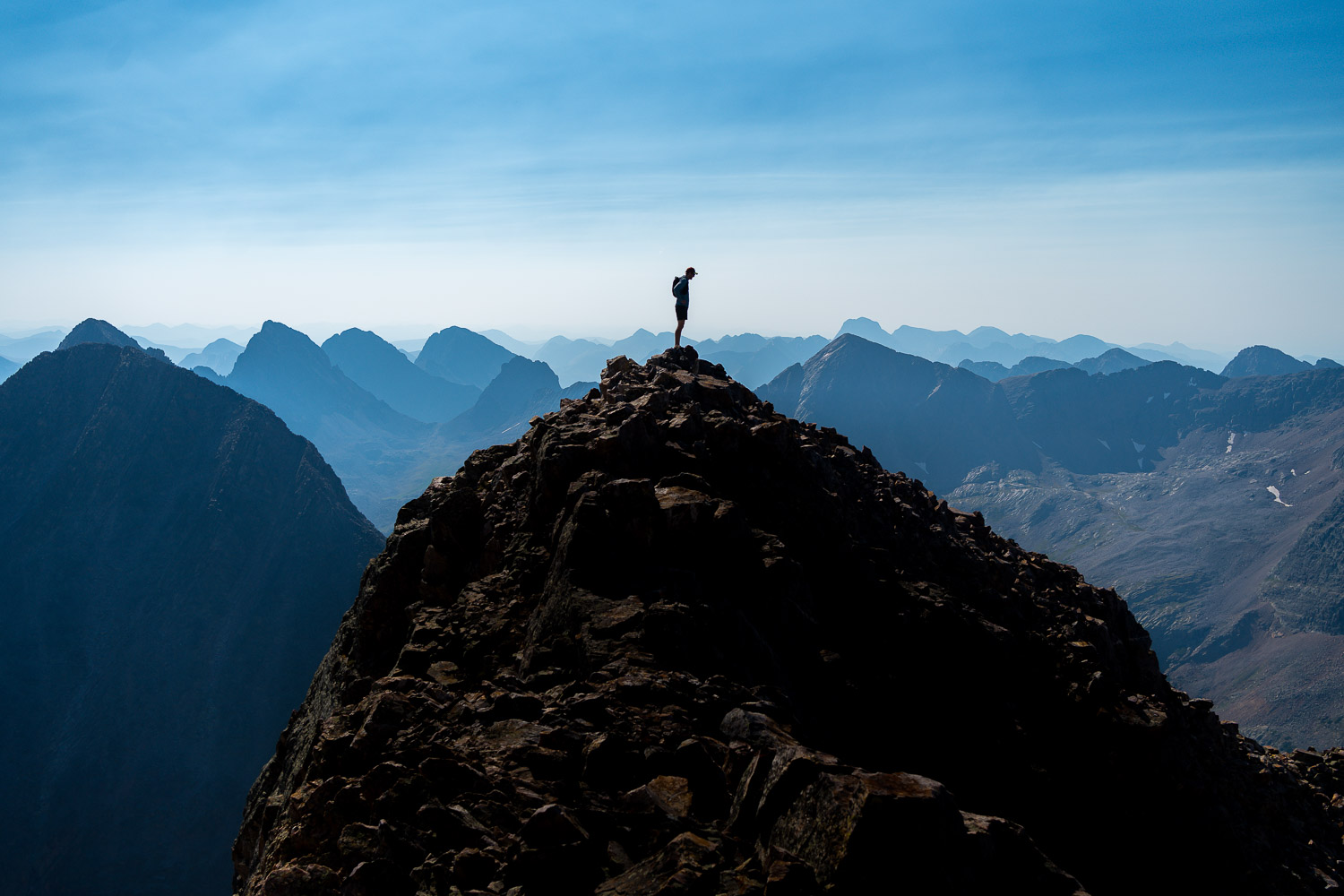
A wide-angle lens is generally defined as any lens with a focal length of 35mm or shorter (on a full-frame camera). That includes:
- Standard wide-angle: 24mm–35mm.
- Ultra wide-angle: 14mm–20mm.
- Wide zooms: 16–35mm, 18–55mm, 10–18mm (APS-C).
- Fish eye: <14mm – gives a distorted view, bending the edges
These lenses capture more of the scene in a single frame, which makes them perfect for landscape photography, architecture, interiors, and tight spaces.
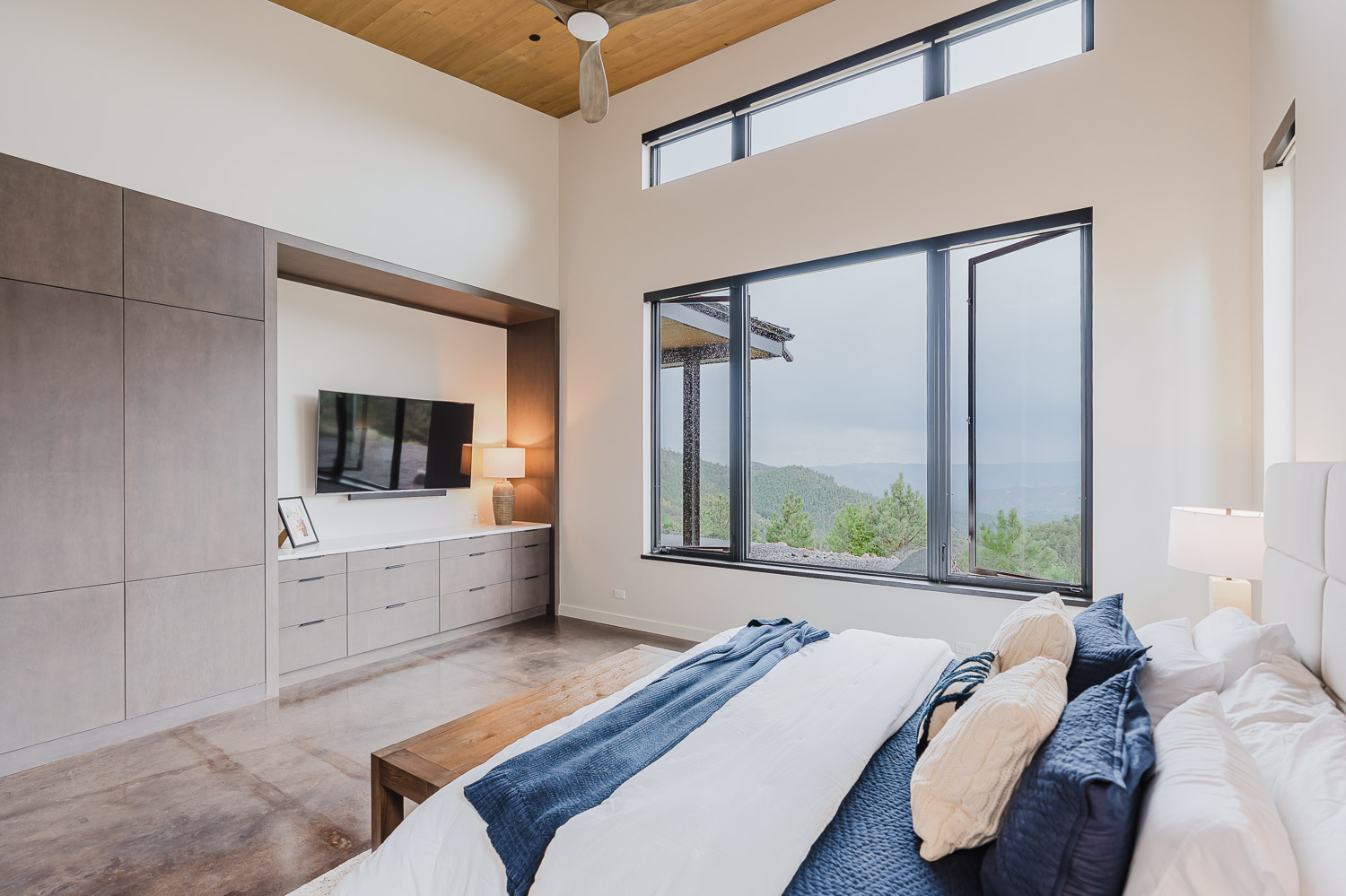
On APS-C cameras, you’ll need something like a 10–18mm lens to achieve the same field of view as a 16–35mm on full-frame. Micro Four Thirds shooters would be looking at lenses in the 7–14mm range for that classic wide look.
Is a 50mm lens a wide angle?
No. A 50mm is considered a normal lens because it closely matches the field of view of the human eye. (although some say they see more like a 35mm lens)
Is 35mm considered a wide angle?
Yes — 35mm sits at the edge of the wide category. It feels natural and storytelling-driven, which is why it’s popular for weddings and everyday photography. Many photojournalists swear by this focal length.
Is 24mm a wide-angle lens?
Yes. 24mm is a classic wide-angle that feels immersive without being overly distorted.
Is 18–55mm a wide-angle lens?
Yes and no. The 18mm end is wide on a crop sensor (equivalent to ~28mm). The longer end (55mm) is closer to a short telephoto. That’s why 18–55mm kit lenses are considered versatile beginner lenses.
Why Use a Wide-Angle Lens?
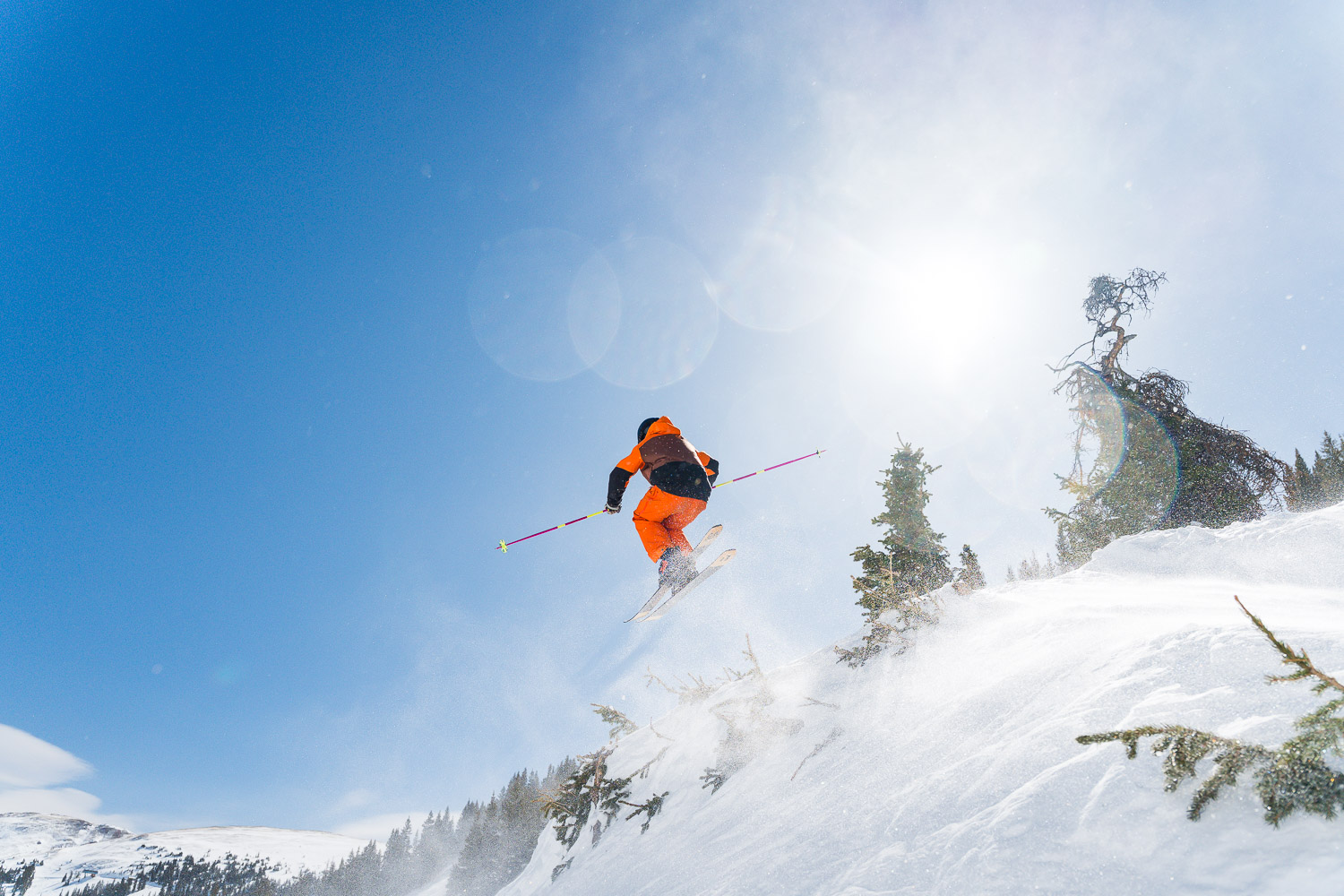
So why reach for a wide-angle lens instead of sticking with a standard or telephoto? Wide-angle lenses give you creative options that no other lens can match, especially when it comes to emphasizing foreground elements. They let you capture sweeping landscapes, fit an entire scene into the frame, and exaggerate perspective in a way that makes photos feel dramatic and immersive. Whether you’re shooting mountains, architecture, or storytelling portraits, a wide-angle lens helps you place your subject in context and create images that pull the viewer right into the moment.
Storytelling
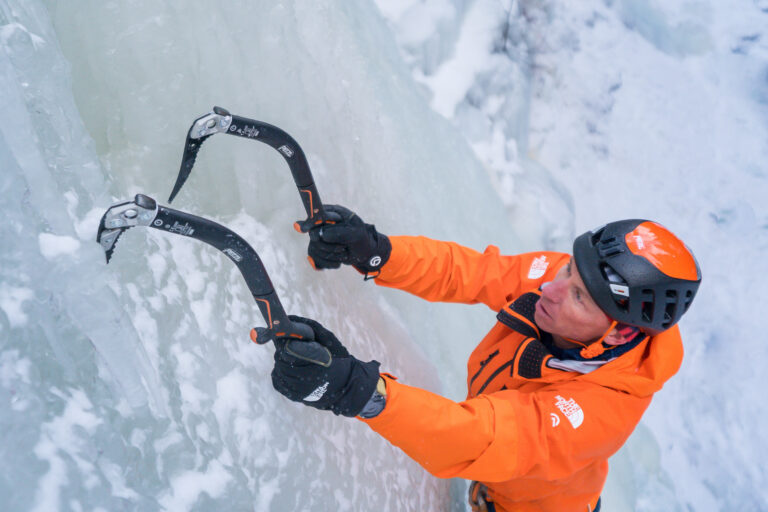
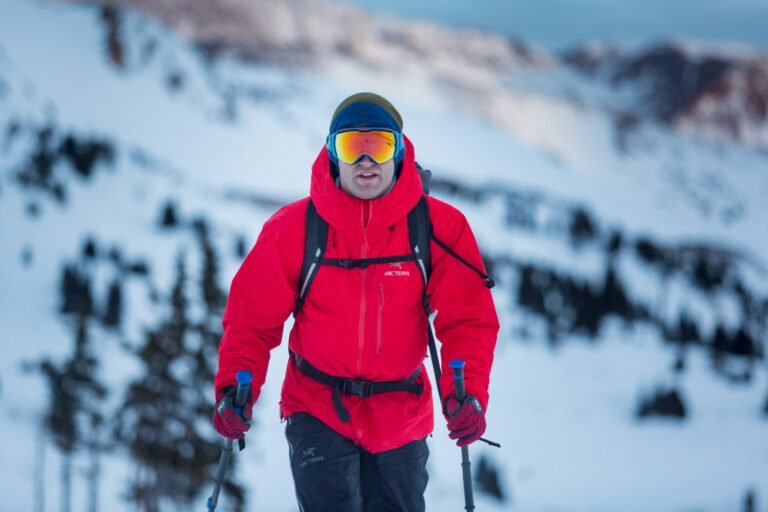
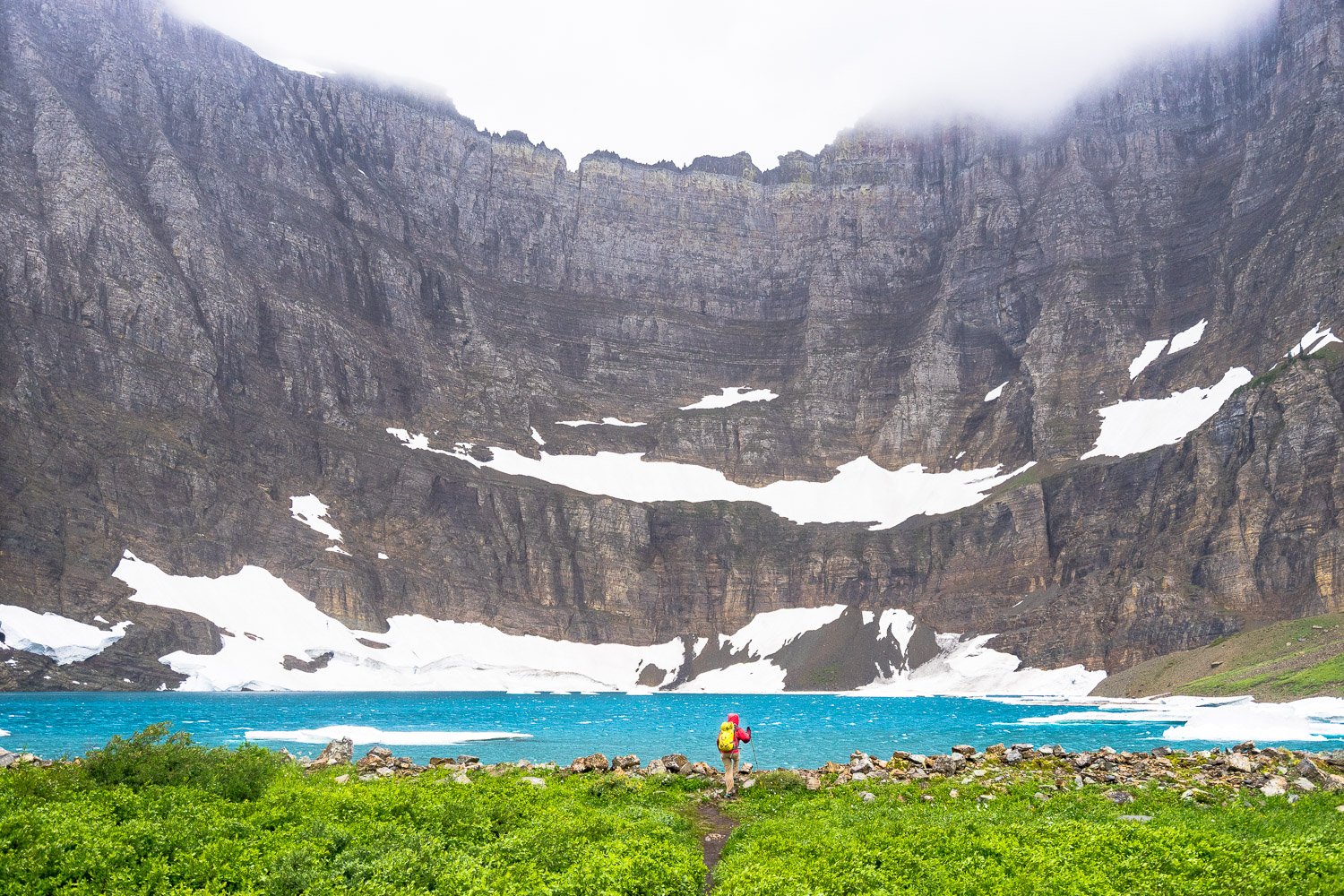
When we shoot adventure sessions, we use wide-angle lenses to include not just the people but the towering cliffs or sweeping valleys around them. It’s not just a portrait — it’s a portrait in context. That’s what makes wide-angle lenses so powerful for photographing people: they tell the story of both the subject and the environment.
Motion and Energy Captured
Because wide-angle lenses exaggerate perspective, they’re also amazing for action and sports. Think of a mountain biker tearing down a trail, shot low and close with a 16mm — the rider feels larger than life, the trail stretches into the distance, and the energy is amplified.
Capture Expansive Backgrounds
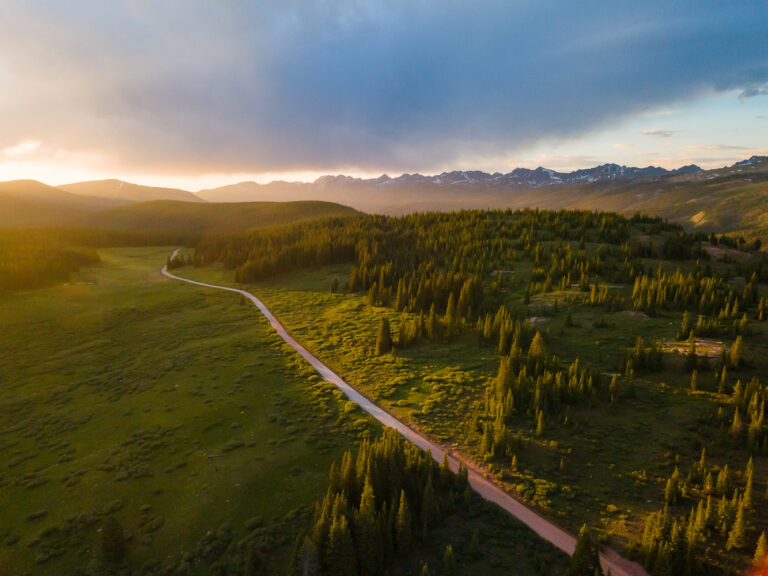
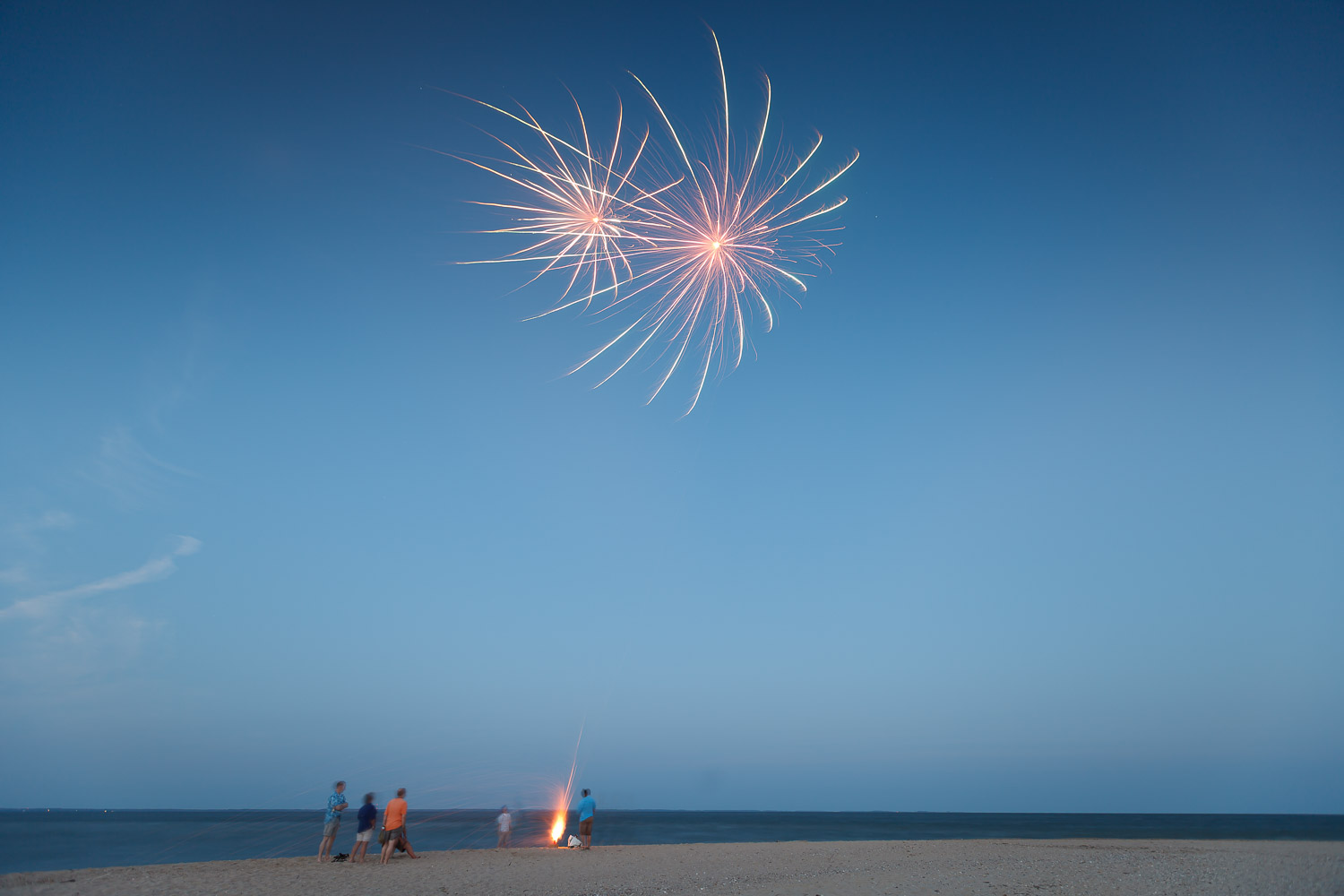
Wide lenses let you include more of the scene, which is why they’re staples in a landscape photographer’s camera bag. Think sweeping vistas, dramatic skies, or the Milky Way stretching across the frame.
Work in Tight Spaces
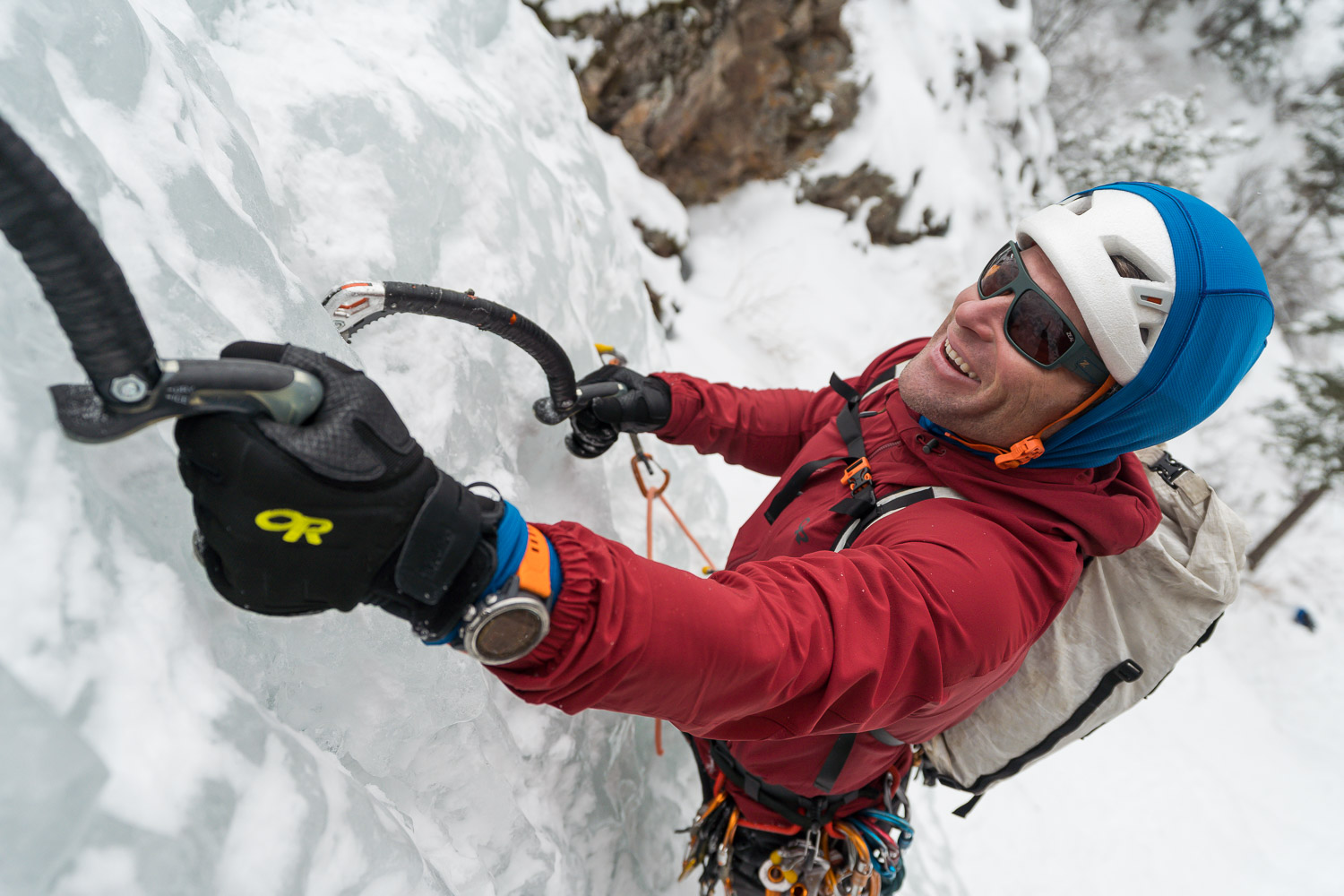
In weddings, real estate, or travel markets, you often don’t have room to step back. A 16–35mm zoom can fit an entire group into a small room or capture the whole dance floor in one wide-angle shot.
Exaggerate Perspective
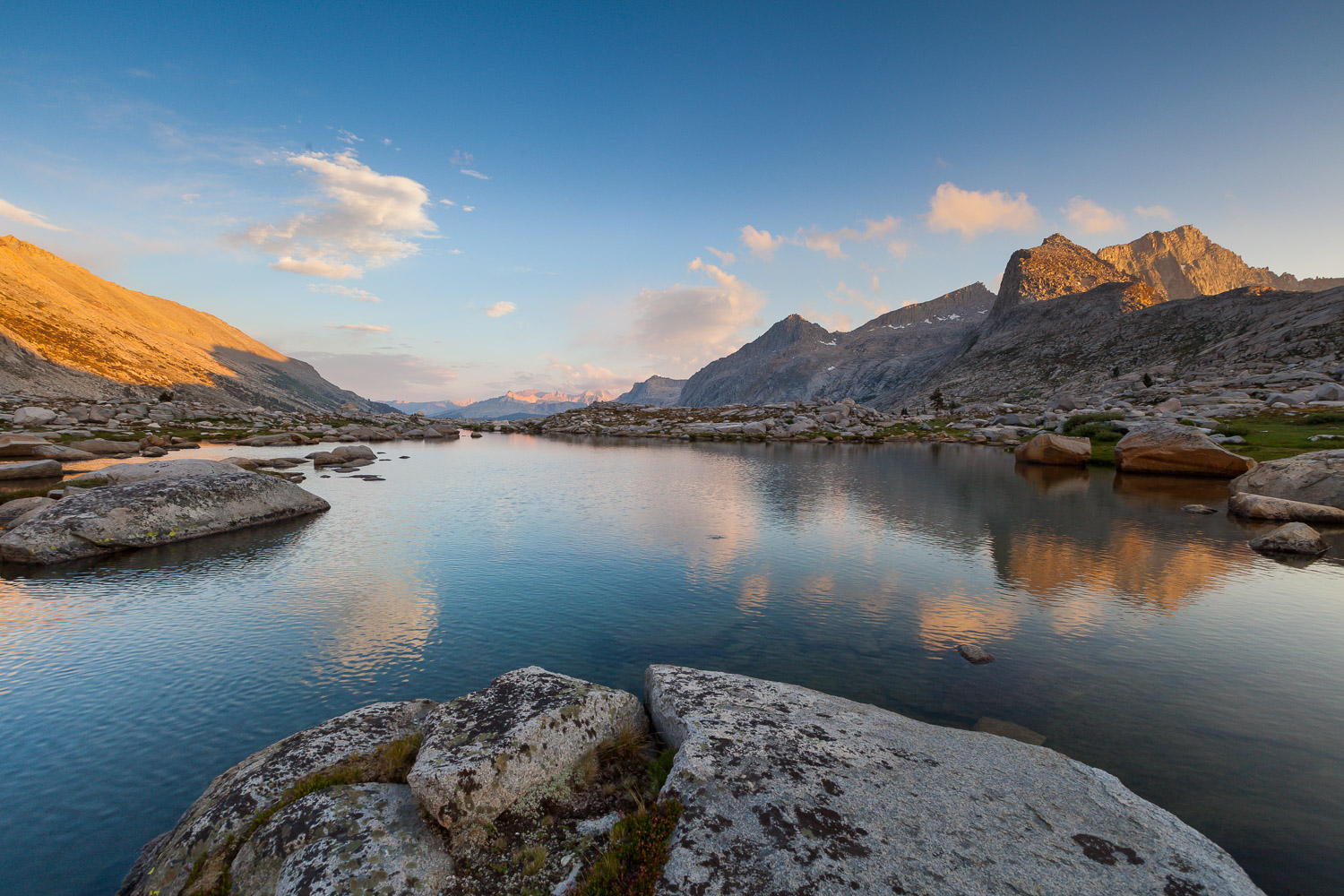
Wide-angle lenses emphasize depth. Foreground objects look larger, background elements shrink, and lines converge to create an immersive effect. A small rock in the foreground can look massive, pulling viewers right into the scene.
Create Experiential Photos
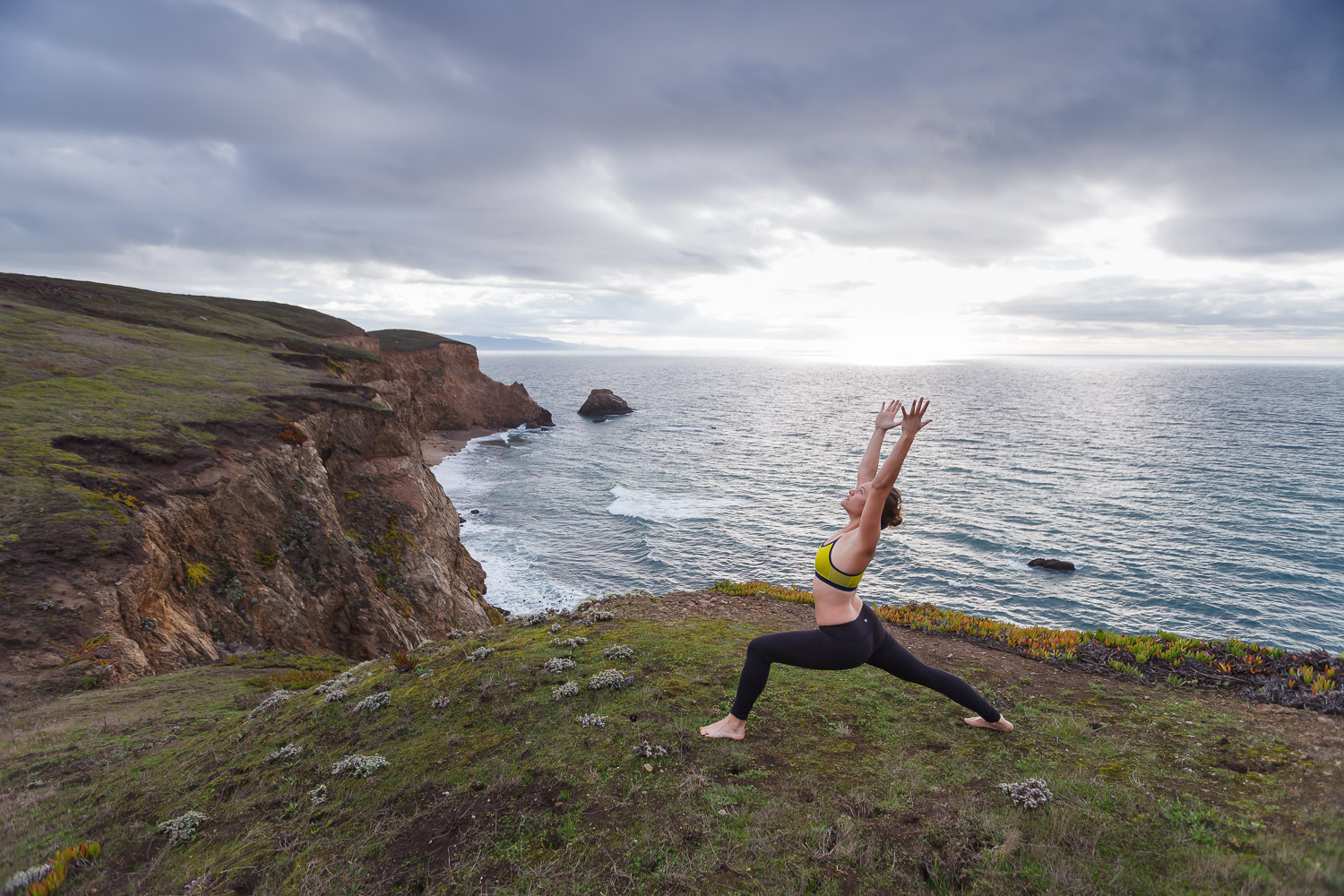
Wide shots tell a story by showing both the subject and their environment. Instead of isolating your subject, you include context — making the viewer feel like they’re there.
Downsides of Wide-Angle Lenses
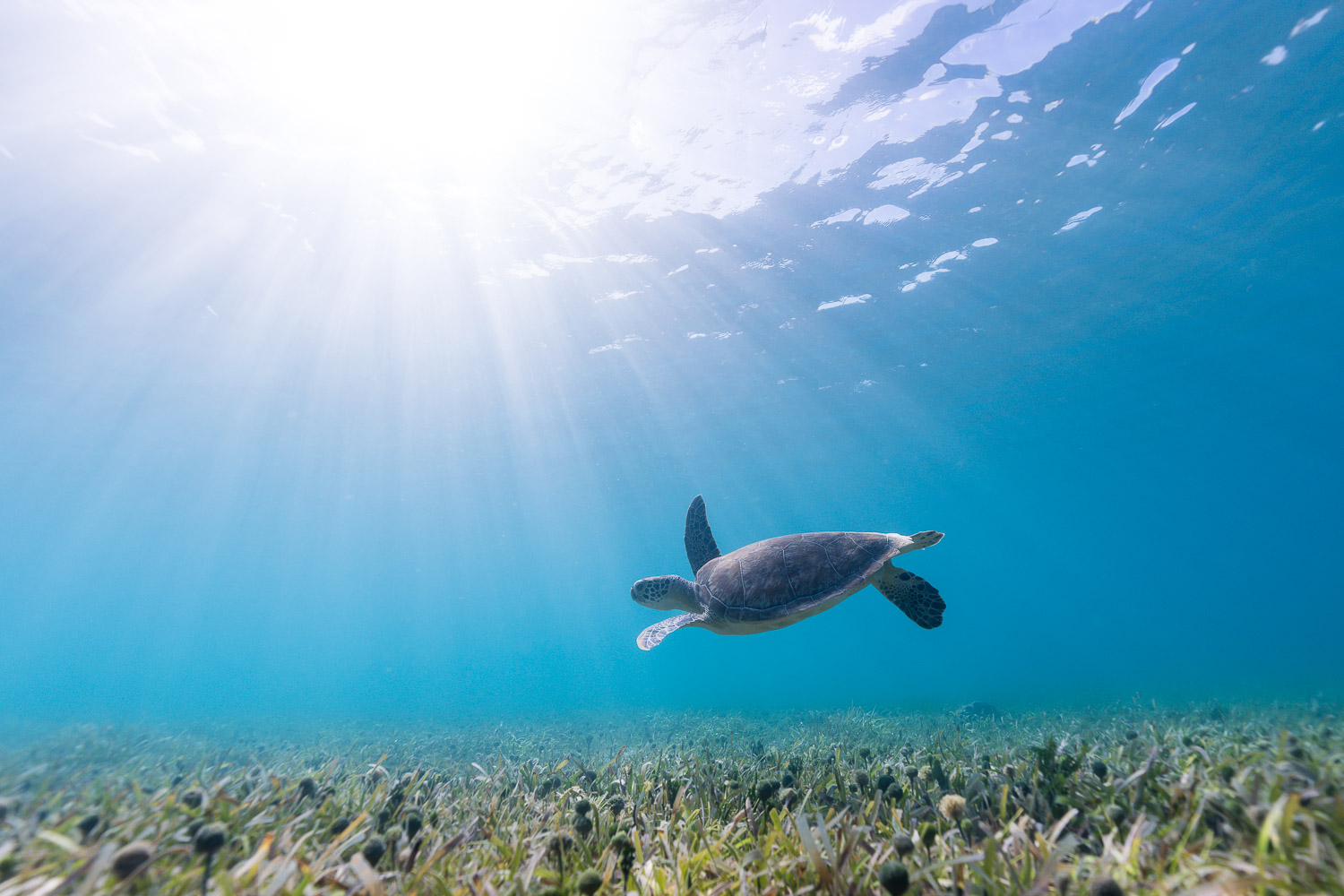
Every strength of a wide-angle is also its weakness. That exaggerated perspective makes for drama, but it can also make your subject look like they have giant hands if you’re not careful. The cluttered compositions? They force you to slow down and think — and that’s not a bad thing. Wide angles demand intention, which is why they’re such a good teacher.
- Distortion: Barrel distortion makes straight lines bow outward. Faces near the edge of the frame can look stretched.
- Cluttered compositions: With so much in the frame, photos can feel busy if not composed carefully.
- Converging lines: Tall buildings or vertical lines may lean inward unless you keep the camera level.
- Lens flare & vignetting: Wide lenses expose more glass to the sun, increasing flare. Corners may darken (vignette), especially at wider apertures.
👉 That’s why shooting with a wide is less about “blur away the background” and more about composing intentionally.
Types of Wide-Angle Lenses
Not all wide-angle lenses are created equal. Some are versatile zooms you can take anywhere, while others are fast primes designed for low light or storytelling. And then there are ultra-wides that push perspective to the extreme. Understanding the differences will help you choose the lens that best matches your style of photography — whether you’re shooting landscapes, weddings, travel, or astrophotography.
Wide-Angle Zooms (15–35mm, 18–55mm)
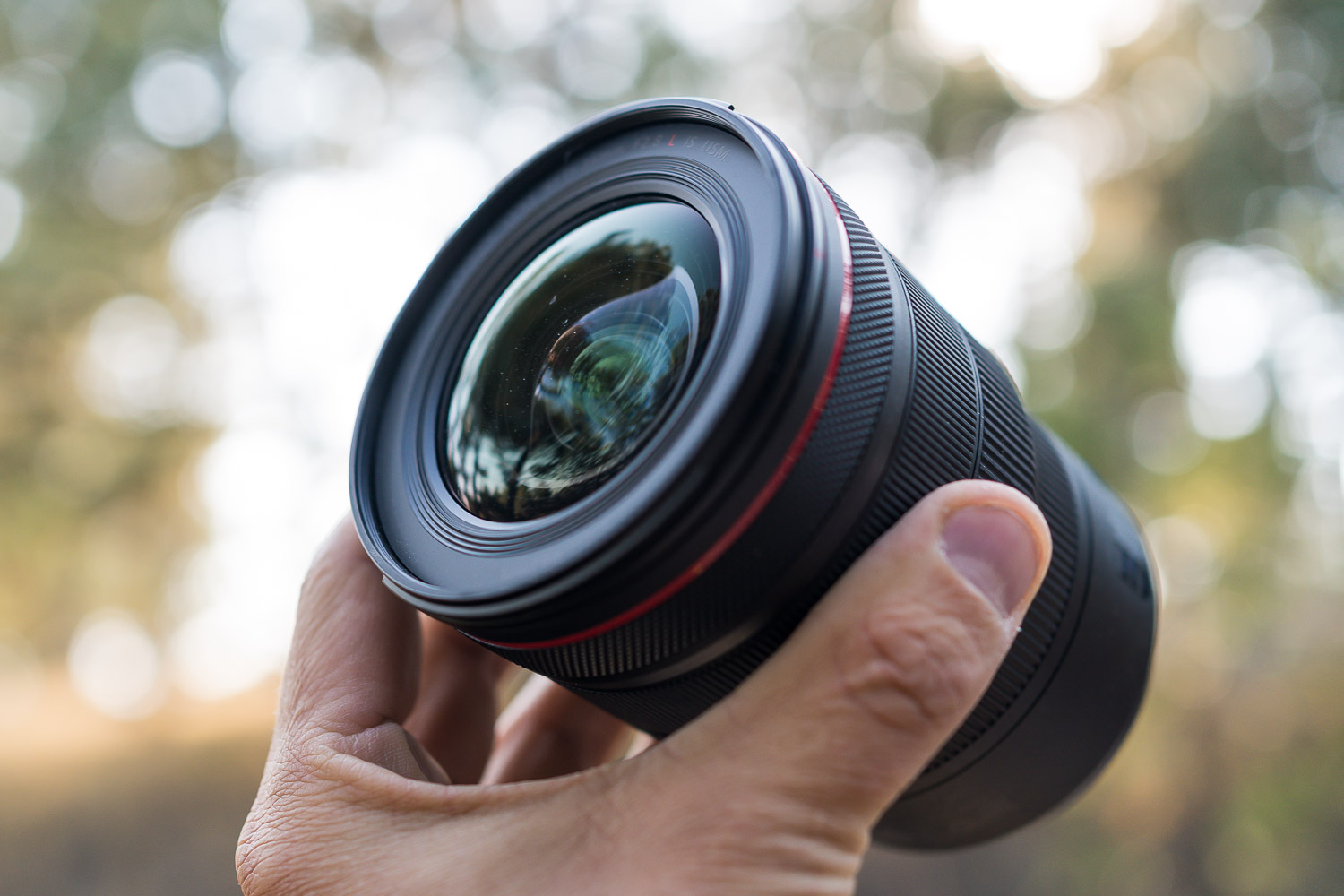
- Pros: Versatile, flexible zoom range, perfect for landscapes and travel.
- Cons: Larger, heavier, often slower (f/4 vs f/2.8).
- Best for: travel and landscapes when you want a versatile lens that can handle different scenes.
Our 16–35mm has been our favorite lens for weddings, adventure shoots, and landscapes. It’s a true workhorse.
👉 Shop 16–35mm zooms on Amazon:
Sony:
Sony 16-35mm f/2.8 GM: Buy on Amazon
Sony 16-35mm f/2.8 GM II: Buy on Amazon
- Sigma 16-28mm f/2.8: Buy on Amazon
Canon:
Canon 15-35mm f/2.8: Buy on Amazon
Canon 15-30mm f/4.5-6.3: Buy on Amazon
- Canon 16-28mm f/2.8: Buy on Amazon
- Canon 14-35mm f/4: Buy on Amazon
Wide-Angle Primes (24mm, 28mm, 35mm)
- 24mm: Immersive, low-light friendly (f/1.4, f/1.8 options). Great for travel & street photography.
- 28mm: Slightly tighter, balanced for storytelling.
- 35mm: Wide but natural, avoids extreme distortion. A wedding and everyday classic.
Ideal for: low light, storytelling portraits, and everyday shooting. Smaller, lighter, and sharper.
Ultra-Wide (14mm–20mm)
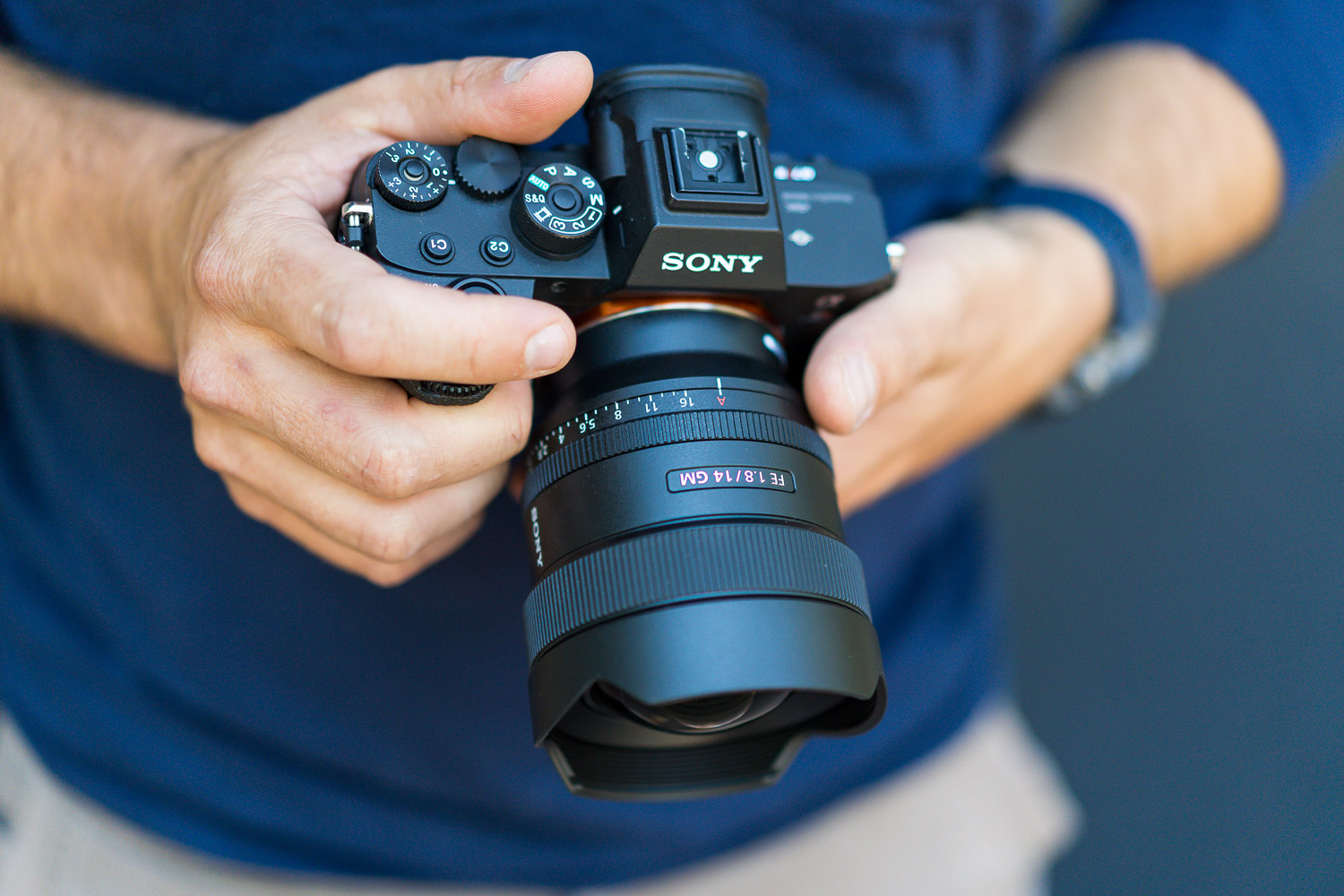
- Pros: Dramatic landscapes, astrophotography, interiors.
- Cons: Harder to master, more distortion, exaggerated edges.
- Example: A 14mm lens can capture the entire Milky Way band in one frame.
- Perfect for: dramatic landscapes, astrophotography, and interiors where you need maximum coverage.
Wide-Angle Lens Comparisons
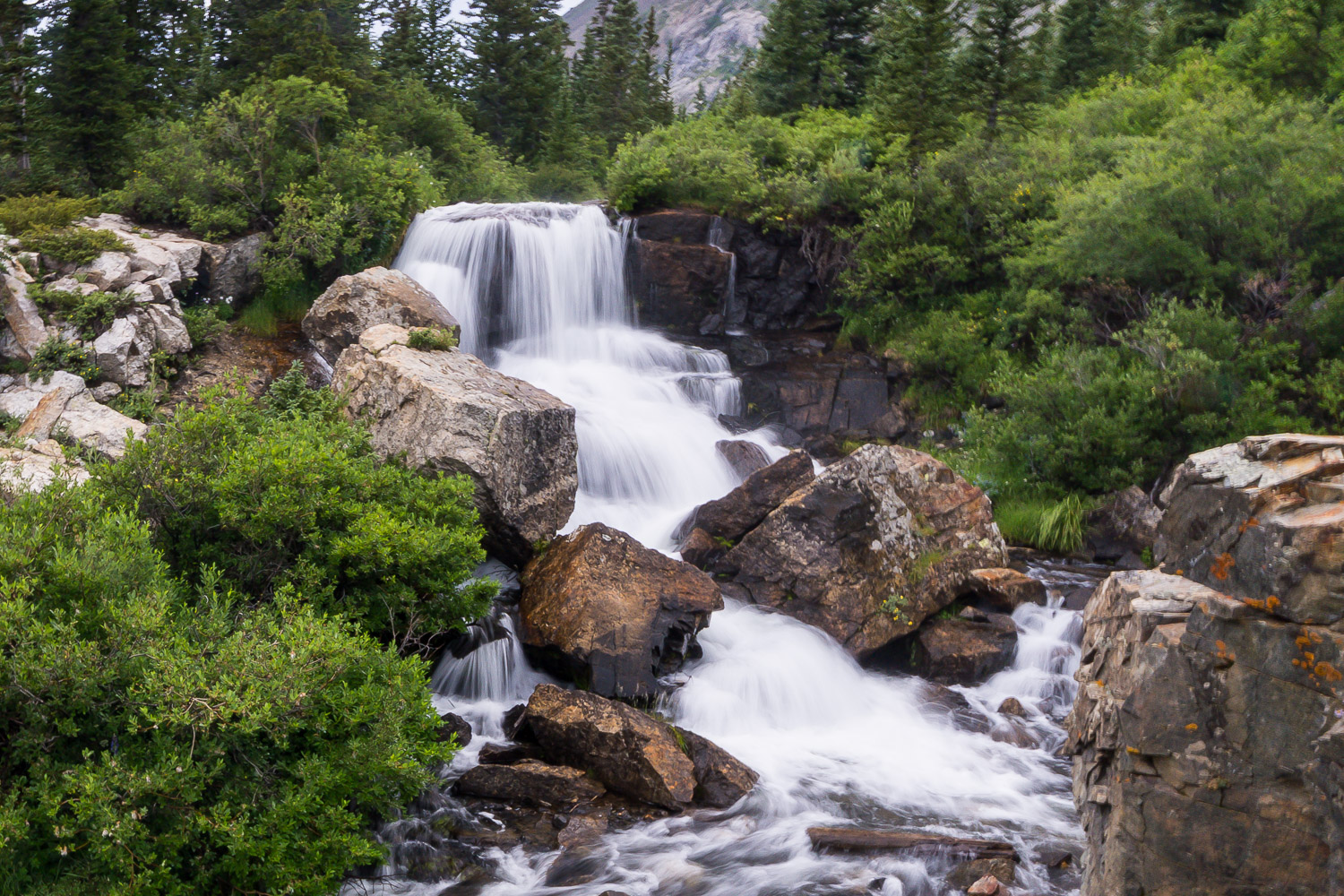
One of the biggest challenges with wide-angle lenses is choosing the right focal length. A 16mm shot feels completely different from a 24mm or 35mm, and each one tells a different story. To help you see the differences, here are some side-by-side comparisons of popular wide focal lengths and how they affect perspective, distortion, and storytelling.
16mm vs 24mm
- 16mm: Exaggerated perspective, extreme foreground size, dramatic depth.
- 24mm: Still immersive, but more controlled and natural-looking.
👉 Watch my How to Shoot with a 24mm Lens guide.
24mm vs 35mm
- 24mm: Big environment, immersive.
- 35mm: Calmer, storytelling, great for portraits and weddings.
👉 Related: How to Shoot with a 35mm Lens:
35mm vs 50mm
- 35mm: Context + subject.
- 50mm: Isolates subject, less environment, stronger separation.
👉 Related: 50mm Lens Guide, 35mm vs 50mm lens comparison.
Wide Zoom vs Wide Primes
- Zooms: Flexible, one-lens solution, great for travel.
- Primes: Sharper, faster (f/1.4, f/1.8), lighter.
Wide vs 24–70mm
- 16–35mm exaggerates perspective in ways the 24–70mm doesn’t.
- 24–70mm covers wider focal lengths and mid-range, making it versatile.
👉 Related: How to Shoot with a 24–70mm Lens:
Wide vs Telephoto
- Wide: Subject + environment, immersive storytelling.
- Telephoto: Subject isolation, compression.
- Both are creative tools — use each intentionally.
Tips for Shooting with a Wide-Angle Lens
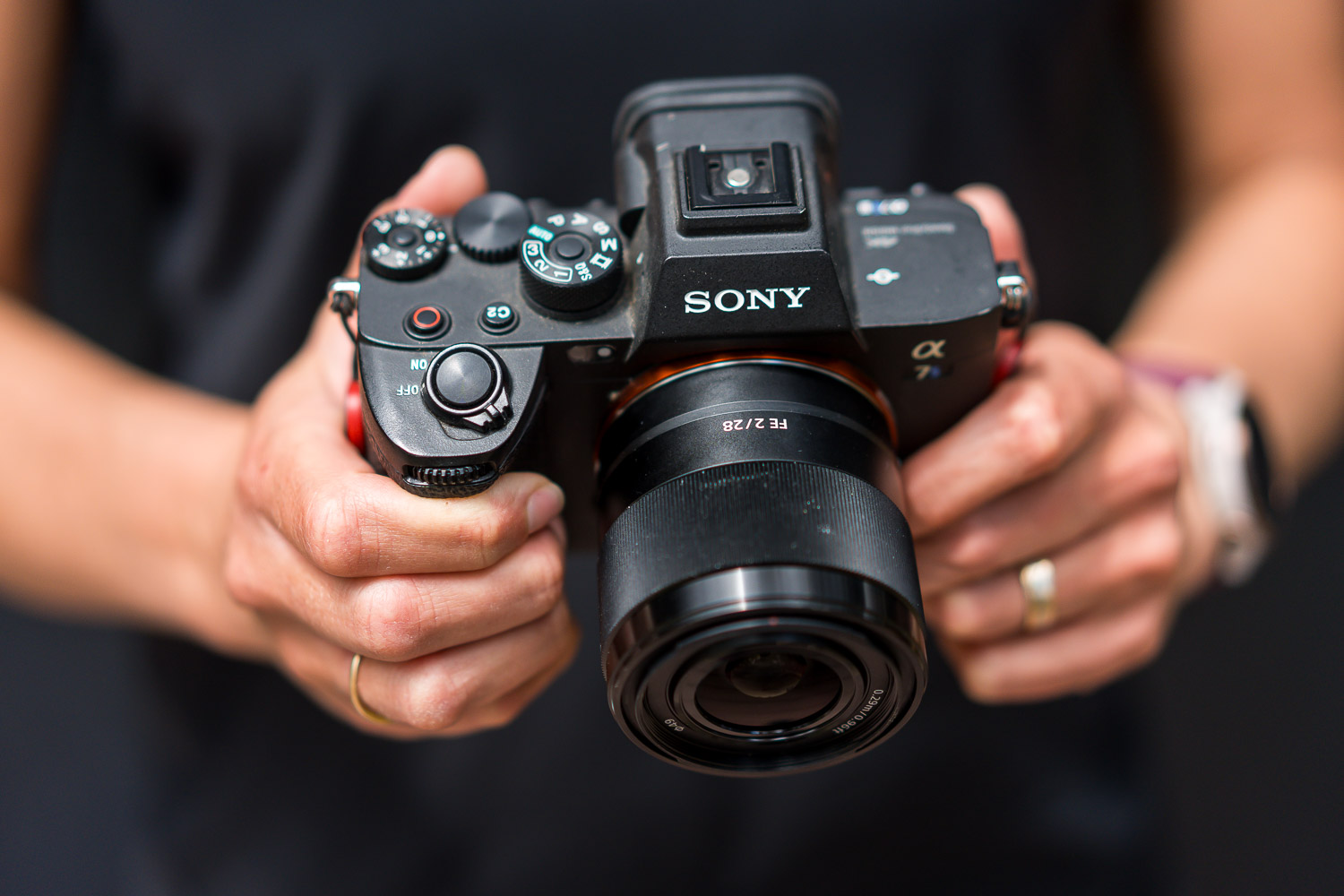
Wide-angle lenses are powerful tools, but they can also be unforgiving. The difference between a flat, cluttered shot and an immersive, dramatic photo often comes down to technique. Over the years, I’ve learned that small adjustments in how you compose, where you stand, and what you include in the frame can make a huge difference. Below are my best practical tips for getting the most out of your wide-angle lens — the kind of advice that will help you avoid common mistakes and start creating photos that feel intentional and immersive, allowing you to take full advantage of your wide-angle lens.
1. Watch Your Edges
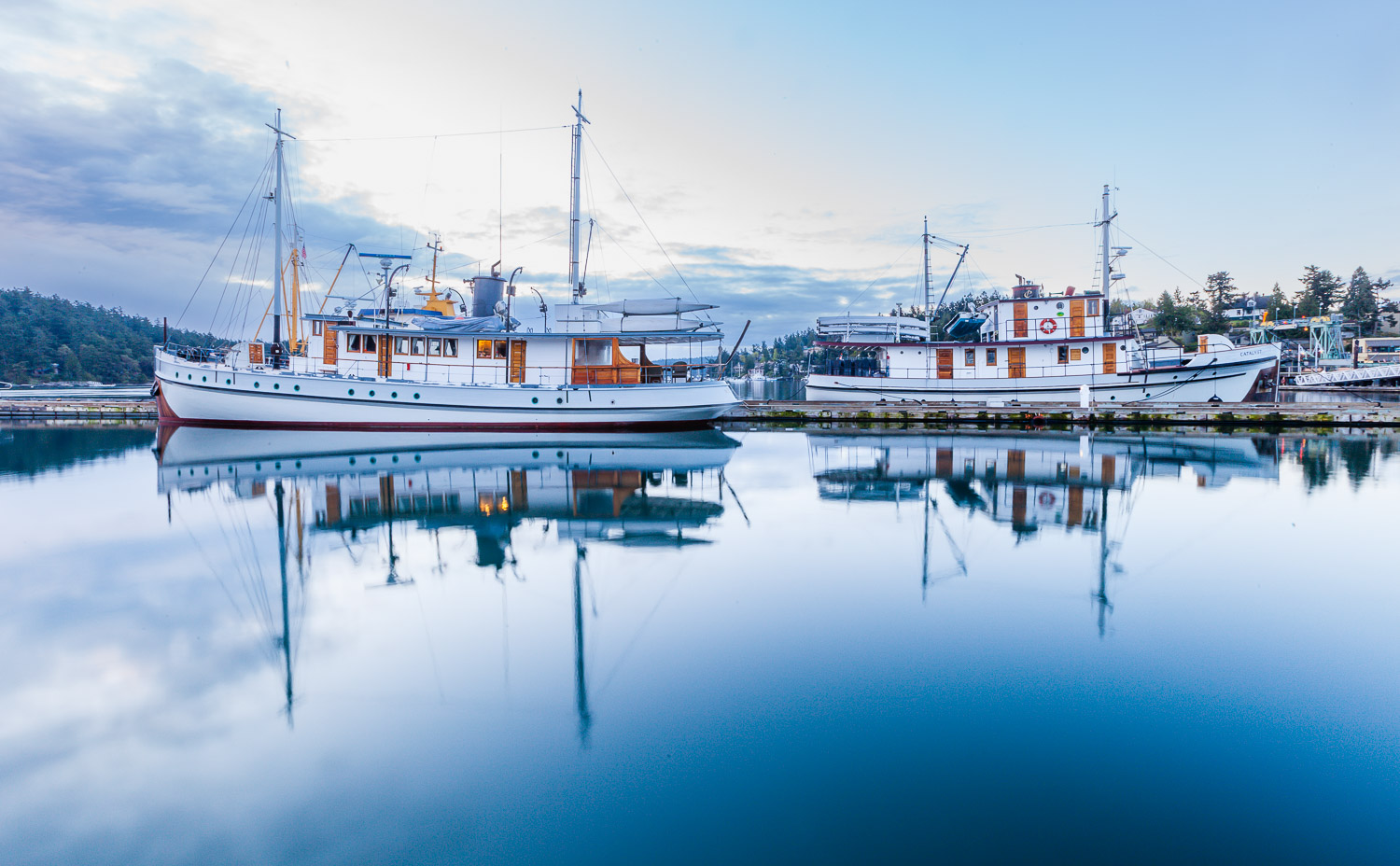
Distortion is strongest near the edges. Keep people closer to the center and use edges for scenery or lines.
2. Keep Horizons Straight
A slight tilt makes buildings or mountains look like they’re falling. Use a tripod, level, or gridlines.
3. Get Close
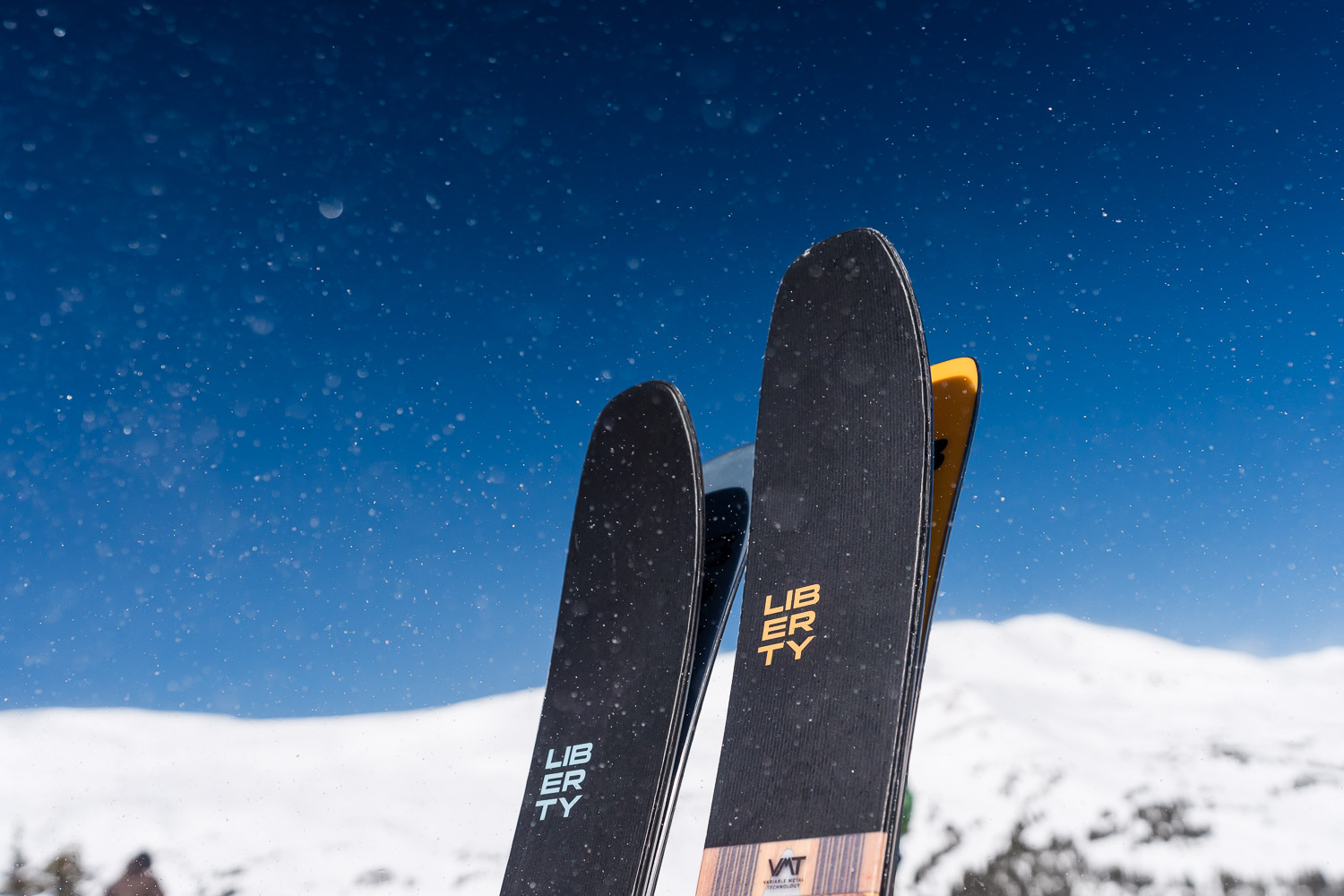
Step toward your subject to emphasize foreground objects. Then, a small flower can look huge when you’re close at 16mm.
4. Use Leading Lines
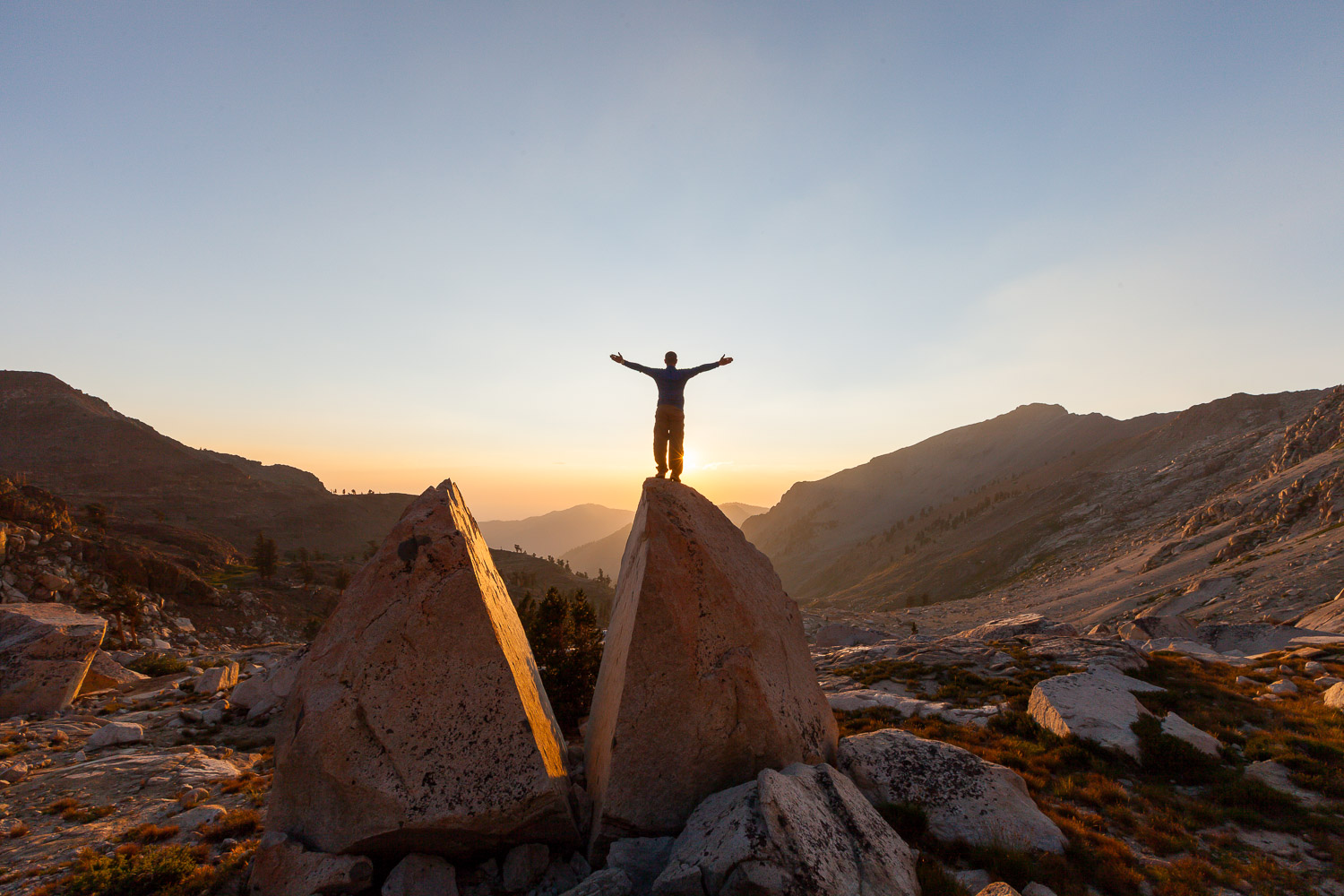
Roads, rivers, fences, or trails guide the eye. Wide lenses make these lines more dramatic.
5. Think in Layers
Strong foreground + subject + background = immersive depth. This is the #1 difference between flat wide shots and engaging ones.
Bonus: Use Filters & Lens Hoods
- Polarizers cut glare in landscapes.
- Graduated ND filters help balance skies.
- Lens hoods reduce flare.
👉 Shop filters:
- Polar Pro Polarizer – My favorite high-quality filter.
- K&F Circular Polarizer – My favorite budget filter.
- Filter Wrench – If you ever get a filter stuck, this will be super helpful!
What NOT to Do: → Don’t just stand back and shoot wide. You’ll end up with tiny subjects lost in a big empty frame. Move closer, exaggerate the foreground, and give your photo structure.
FAQs about Wide-Angle Lenses
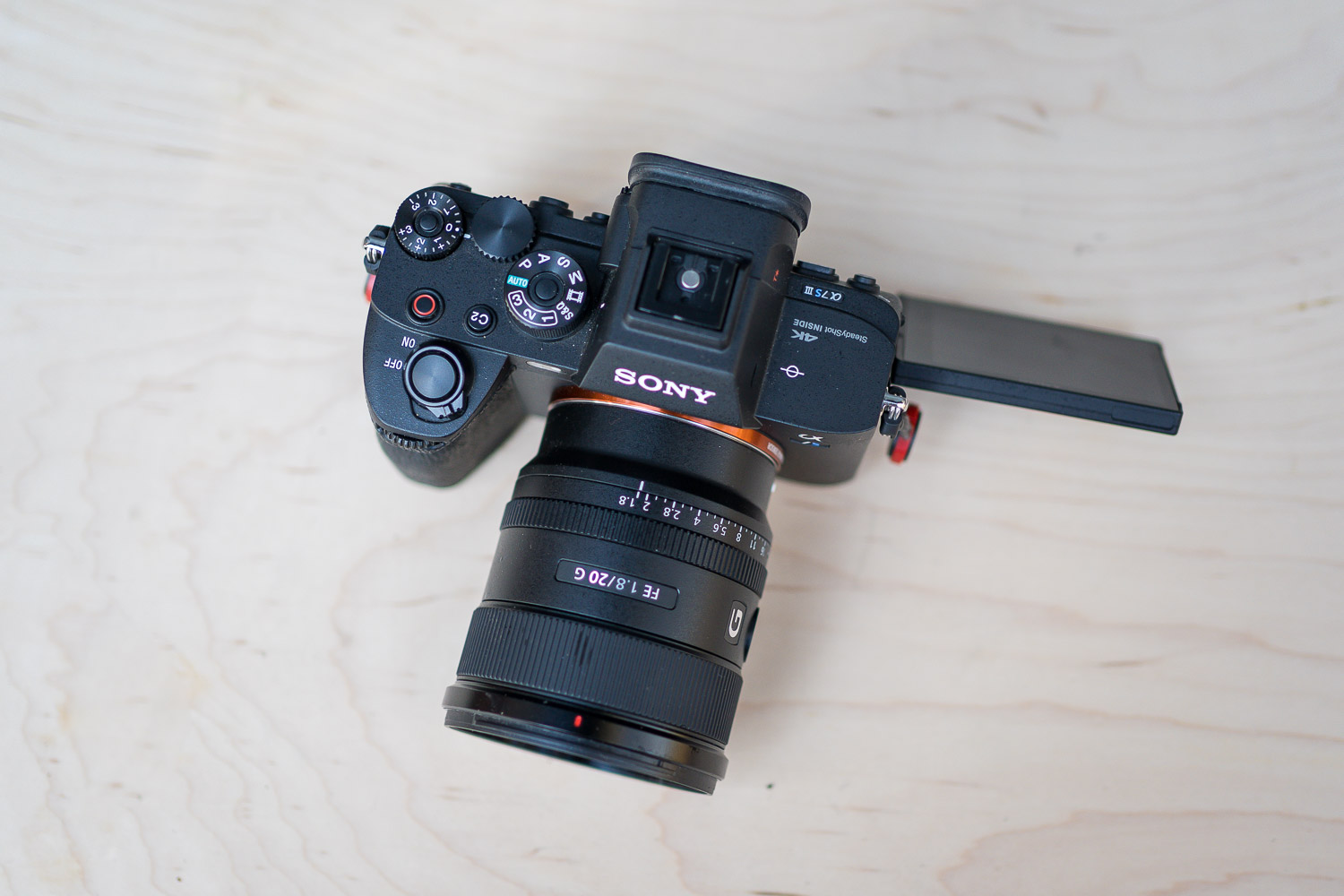
Wide-angle lenses open up a world of creative possibilities — but they also raise a lot of questions, especially if you’re just starting out. From choosing the right focal length to figuring out how to avoid distortion, there’s a lot to learn. Below, I’ve answered some of the most common questions I hear about wide-angle lenses to help you shoot with more confidence.
Landscapes, interiors, architecture, travel, astrophotography.
Distortion, cluttered edges, converging verticals, flare.
Portraits up close (unflattering distortion). Scenes with distracting clutter you can’t remove.
Beginners: 18–55mm kit lens (budget-friendly).
Landscape photographers: 16–35mm zoom.
Travel photographers: 24mm or 35mm prime.
Astrophotography: 14mm f/2.8 or faster.
It depends — 14mm is dramatic and best with strong foregrounds. Without them, it can feel empty.
Keep horizons straight.
Watch the edges for distortion.
Get close for foreground emphasis.
Use leading lines for flow.
Wide (<35mm): Expansive, exaggerates perspective.
Normal (~50mm): Natural, similar to human vision.
Wide: Adds context, immersive storytelling.
Telephoto: Isolates subject, compresses distance.
Wide-angle lenses are more forgiving with slower shutter speeds because they exaggerate less camera shake. A good rule of thumb is the reciprocal rule: use a shutter speed equal to or faster than 1/focal length (so 1/24s for a 24mm) when using a telephoto lens. With image stabilization, you can go even slower.
Filters can be incredibly useful for wide-angle lenses in landscapes. Polarizers cut glare on water or foliage, ND filters let you blur motion like waterfalls, and graduated ND filters help balance a bright sky with a darker foreground. Just watch out — ultra-wide lenses (like 14mm) often can’t use screw-on filters and need specialized holders.
Yes! Wide-angle primes in the 14–20mm range are popular for astrophotography because they capture the entire Milky Way in one frame, making them perfect for photographing the night sky. Look for lenses with wide apertures (f/2.8 or faster) to gather more light and reduce star trails.
You can, but use caution. Shooting close-up with a wide-angle can distort facial features, making noses or hands look bigger. However, if you step back and include more of the environment, wide-angle lenses can create creative storytelling portraits that depend on the right focal length.
It depends on your distance. Subjects close to the lens will appear larger, while those farther away look smaller. This can be flattering or unflattering, depending on how you compose, which is why wide-angle portraits need careful placement.
It depends on the goal. For landscapes, f/8–f/11 gives maximum depth of field. For astrophotography, shoot wide open (f/2.8 or faster). For environmental portraits, f/4–f/5.6 often balances subject sharpness with some background context.
Not always. Because wide-angles minimize camera shake, they’re easier to handhold at slower shutter speeds. That said, stabilization can help in low-light or video work.
Rectilinear wide angles keep straight lines straight (great for architecture). Fisheye lenses intentionally curve lines, creating a bubble-like effect. Therefore, both are technically wide, but they produce very different looks.
Conclusion
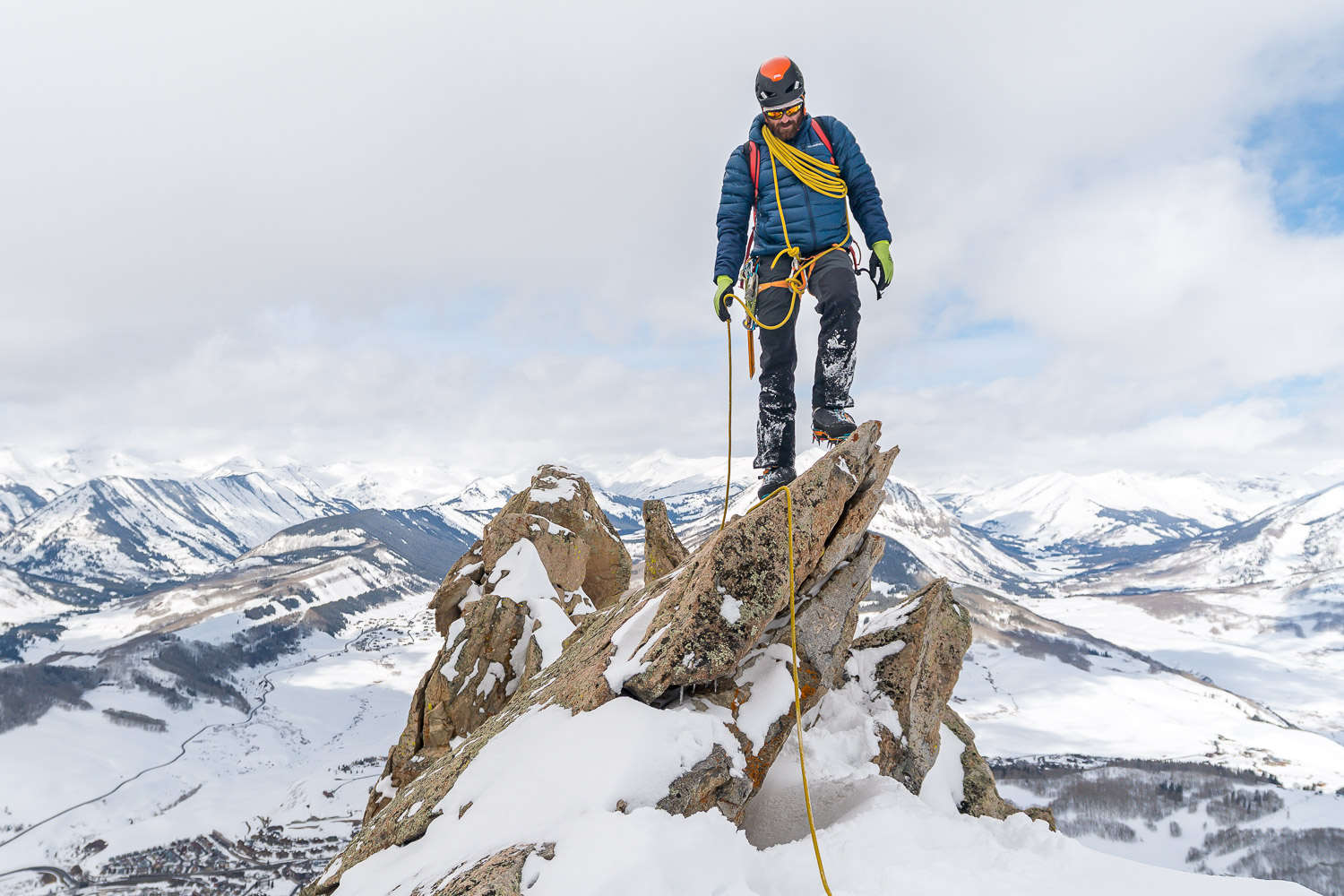
In conclusion, wide-angle lenses are immersive, dramatic, and powerful — but they also magnify your mistakes. With the right framing, composition, and awareness, they can create some of the most rewarding photos you’ll ever take.
Also, wide-angle lenses will expose every mistake you make, but that’s exactly why they help you grow as a photographer. They force you to slow down, think about composition, and use the entire frame. Once you learn how to control distortion and embrace perspective, you’ll find they’re not just lenses for landscapes — they’re storytelling tools that can transform the way you see.
- Landscapes → 16–35mm or 24mm.
- Weddings & storytelling → 35mm.
- Astro → 14–20mm ultra-wide.
This post is part of my How to Shoot series. To keep learning, check out:
- How to Shoot with a 35mm Lens
- How to Shoot with a 24–70mm Lens
- Battle of the Wide Primes: 24mm vs 28mm vs 35mm
- The Best 85 mm Lens for Stunning Portraits and Versatile Photography
👉 Shop my recommended wide-angle lenses using the affiliates above.
👉 Subscribe to my YouTube channel for more lens tutorials.
At the end of the day, the best wide-angle lens is the one you know how to use well.