Guide to Choosing the Best LED Video Light | Review of GVM Pro SD300B
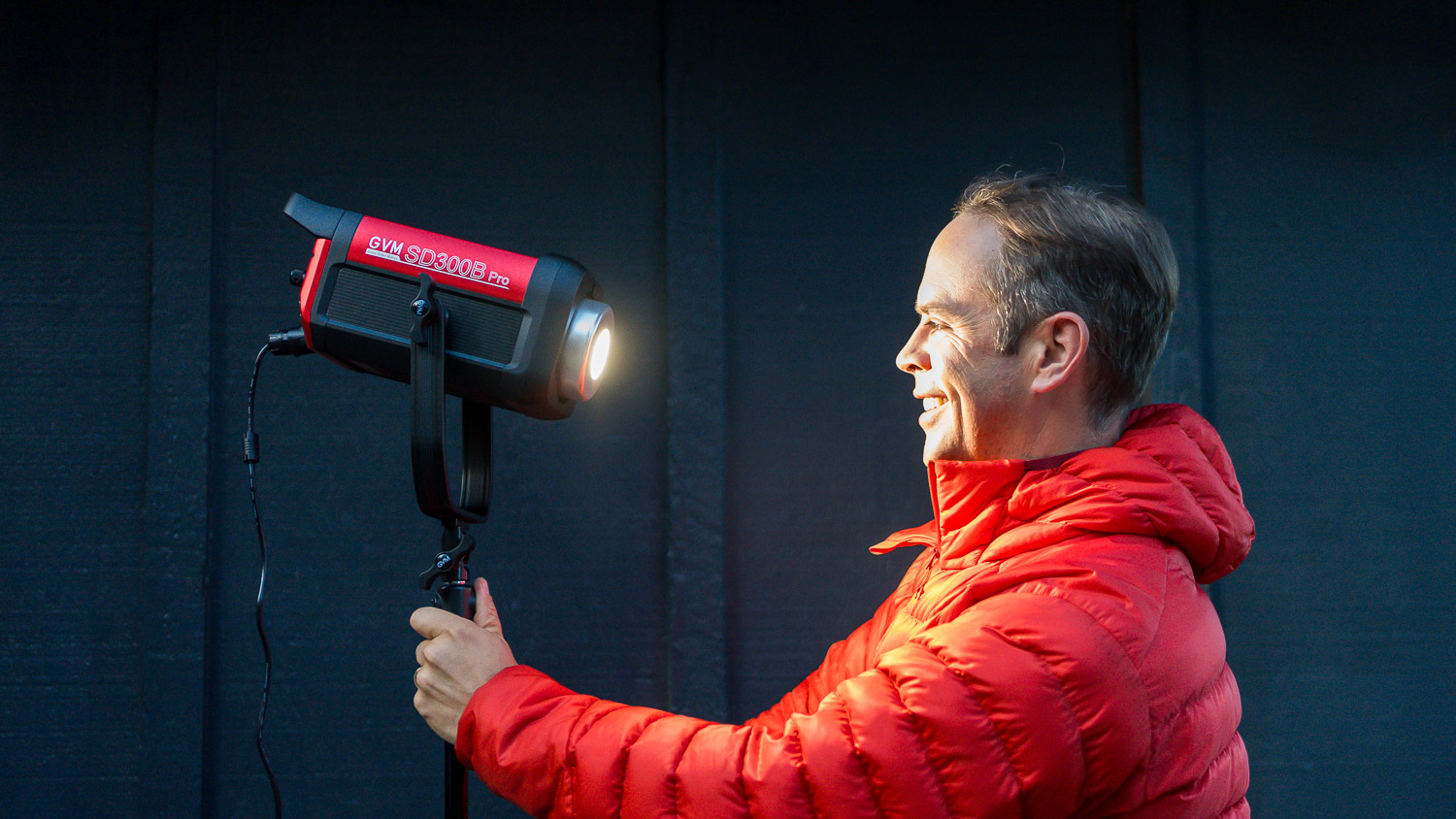
In this article, I’m going to Review the GVM Pro SD300B video light as well as give you my guide on choosing the best LED Video light for your needs.
Elevating Your Video Lighting Game: A Review of the GVM SD300 Pro Light
Today, I’m stoked to share my thoughts on a game-changing addition to my gear arsenal: the GVM Pro SD300 Light. As someone who’s no stranger to the world of photography or video production, finding the right lighting setup has been crucial. So, let’s dive into this review and see if the GVM Pro SD300 Light lives up to the hype.
First Impressions and Unboxing
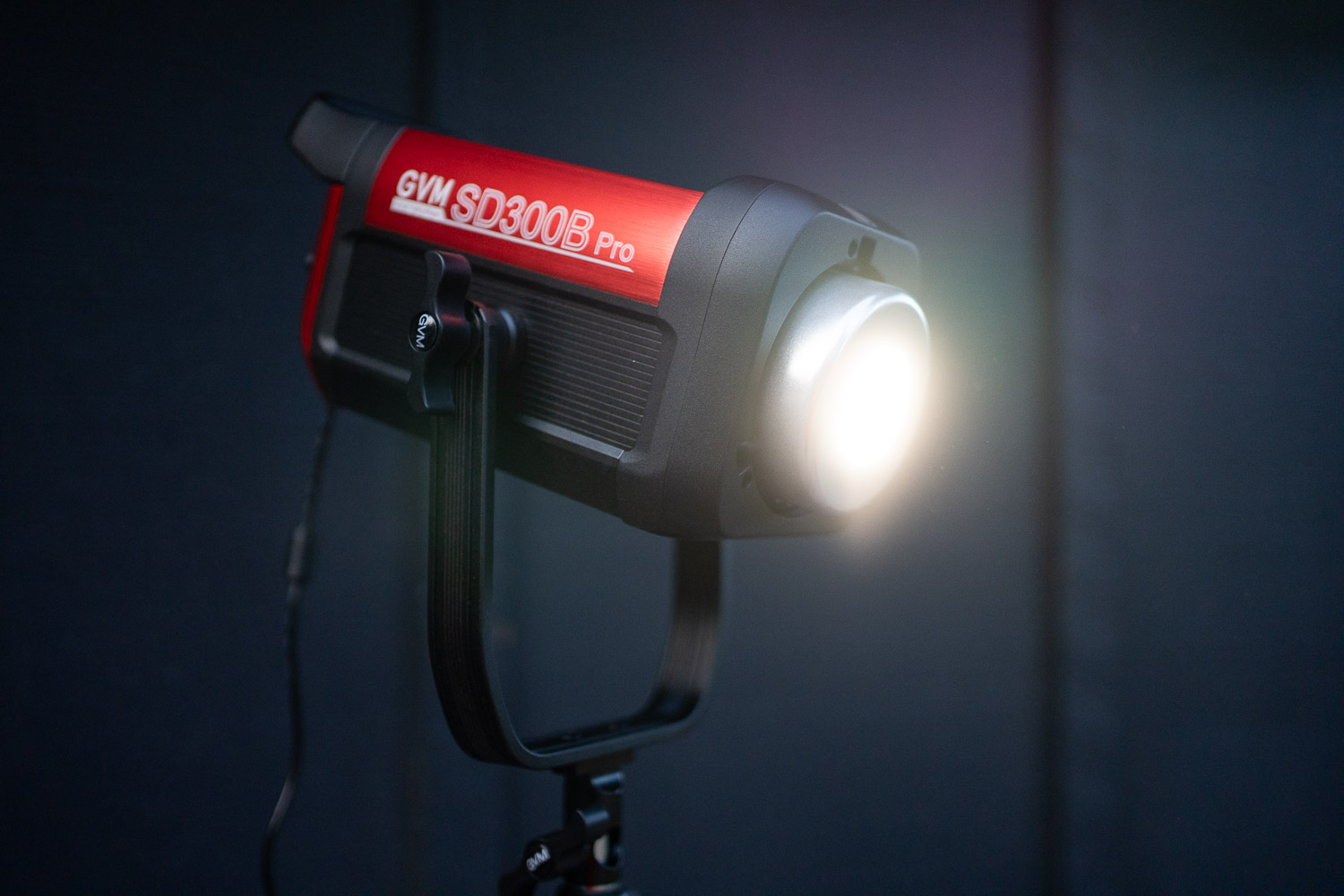
Opening up the package, I was immediately impressed by the attention to detail. The GVM Pro SD300 Light comes neatly packed in a padded carrying case, complete with all the essentials you need to get started right away. From cords to a stand holder and even a reflector, it’s clear that GVM has thought of everything.
Ease of Setup and Functionality
Setting up the GVM SD300 Pro Light was a breeze. With its power bank and cords, I was able to quickly connect it to my light stand without any hassle. The adjustable tilt controls allowed me to precisely position the light, while the color temperature adjustment from 2700 to 6800 Kelvin gave me the flexibility to achieve the perfect look for my videos.
User Interface and Control
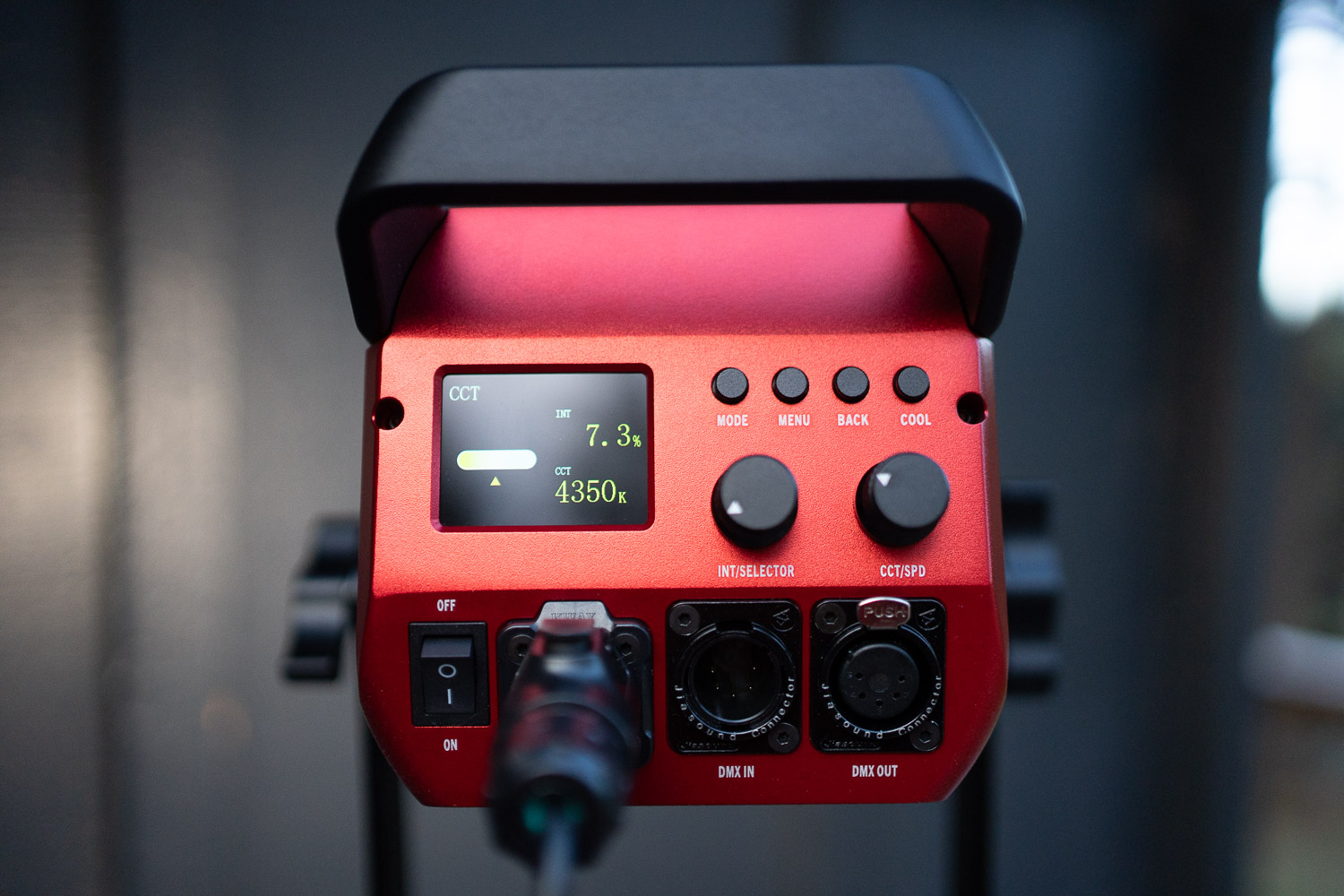
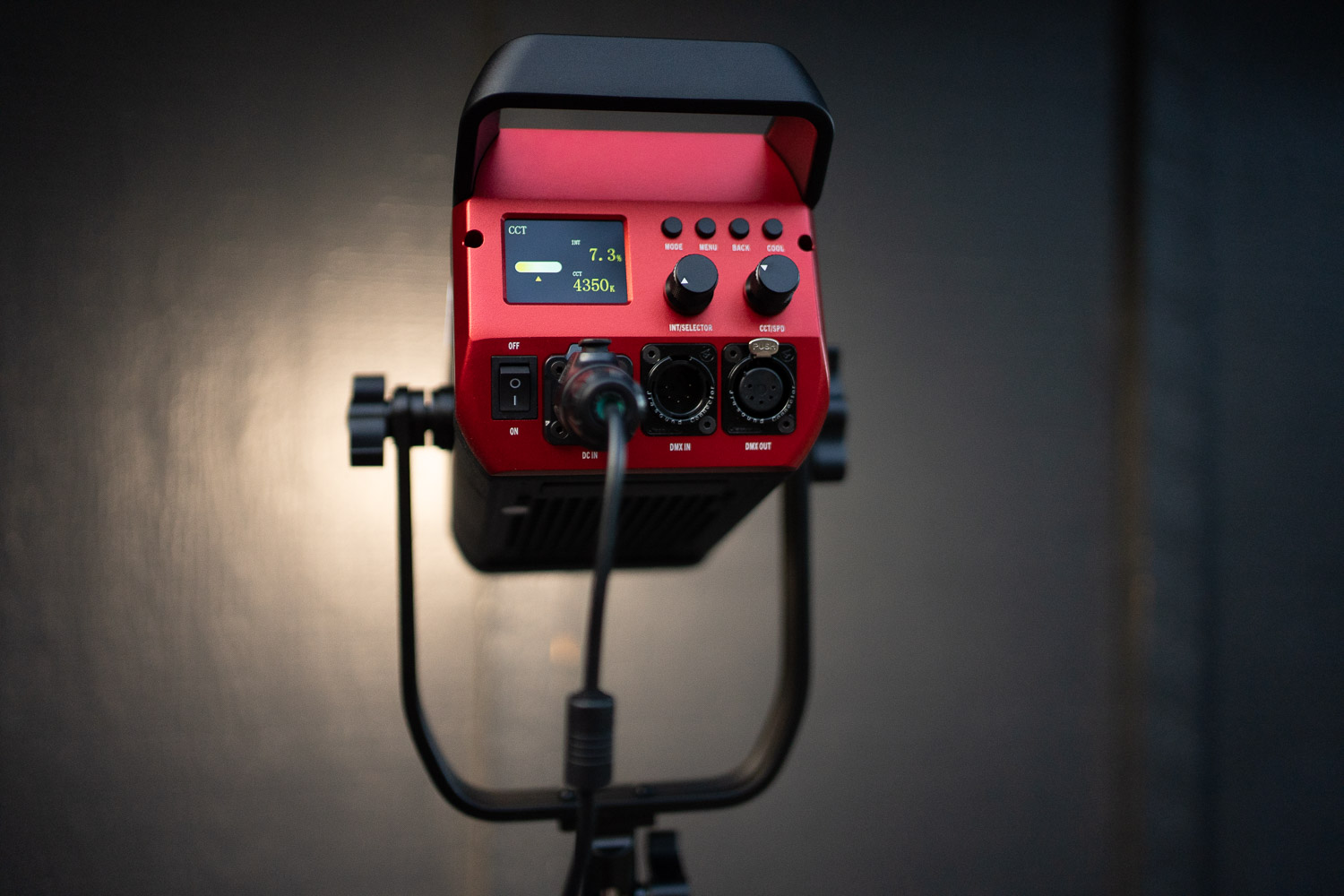
Navigating the menu interface of the GVM SD300 Pro Light was straightforward, even for someone like me who’s never used a GVM light before. I appreciated the inclusion of pre-set effects for added creativity, but most of the time, I found myself sticking to manual control for that extra level of customization.
App Integration and Remote Control
One of the standout features of the GVM SD300 Pro Light is its seamless integration with the GVM 2 app. Being able to control the light remotely from my smartphone was super helpful, especially when I needed to make adjustments on the fly. And if that wasn’t enough, you can also opt for a separate remote control for added convenience.
Build Quality and Versatility
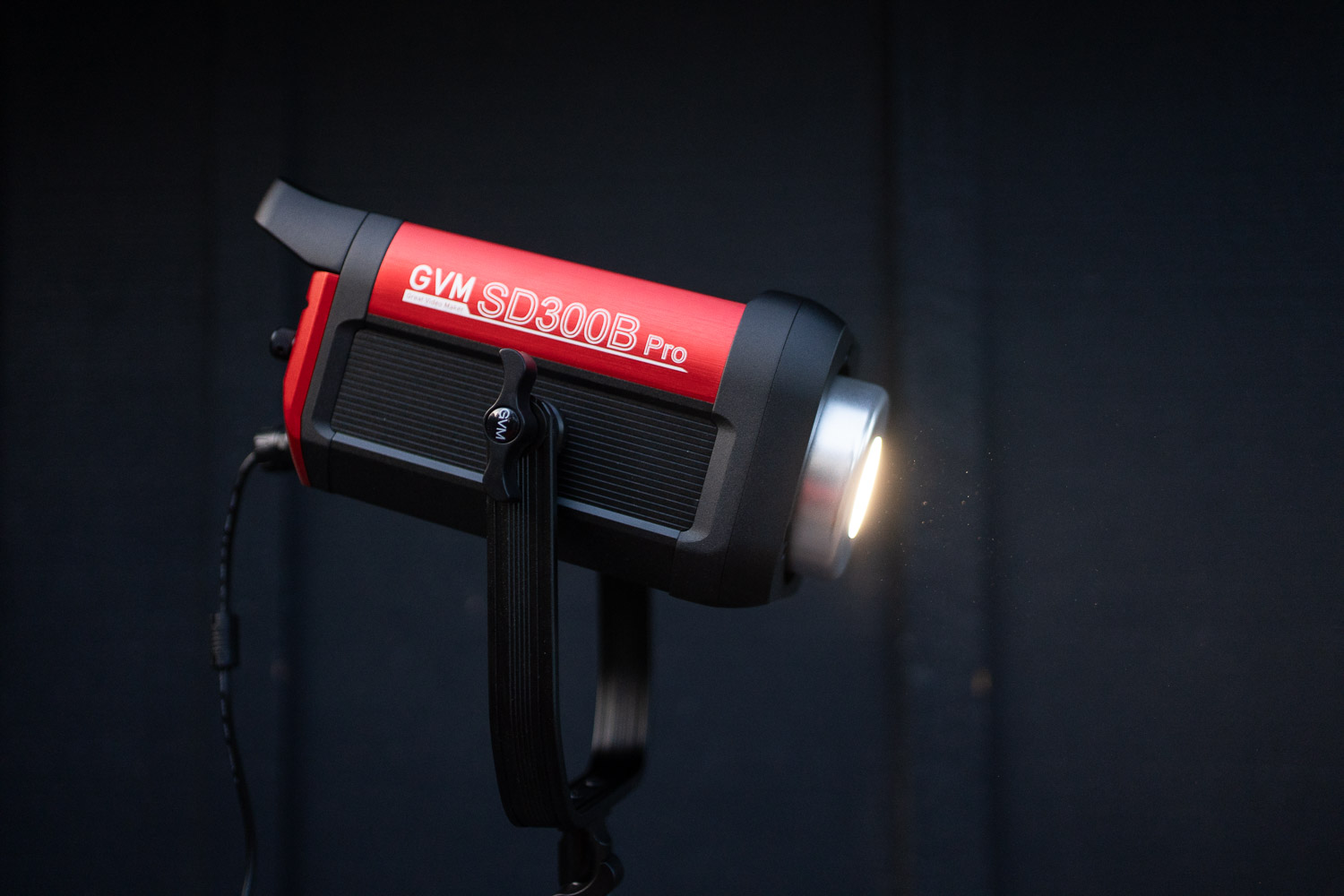
In terms of build quality, the GVM SD300 Pro Light certainly doesn’t disappoint. With its durable aluminum anodized exterior and convenient handles, it feels solid and well-built. Plus, the Bowen Mount allows for easy attachment of accessories like softboxes or diffusers, making it a versatile addition to any setup.
Final Thoughts on the GVM SD300
All in all, I have to say I’m seriously impressed with the GVM SD300 Pro Light. It strikes the perfect balance between affordability and functionality, making it an ideal choice for both amateur and professional creators alike. Whether you’re shooting commercials, interviews, or studio setups, this light has got you covered. It has 300 watts of power which should be enough for most lighting scenarios unless you’re trying to overpower the sun.
As for me, I’ll definitely be keeping the GVM SD300 Pro Light in my kit for future projects. It’s become an essential tool in my quest to up my video game, and I can’t wait to see where it takes me next.
So there you have it – my honest thoughts on the GVM SD300 Pro Light. If you’re in the market for a reliable and budget-friendly lighting solution, I highly recommend giving it a shot. And hey, if you’ve got any questions or want to share your own experiences, feel free to drop them in the comments below. Until next time, happy shooting, and keep creating those awesome videos!
Understanding LED Video Lights
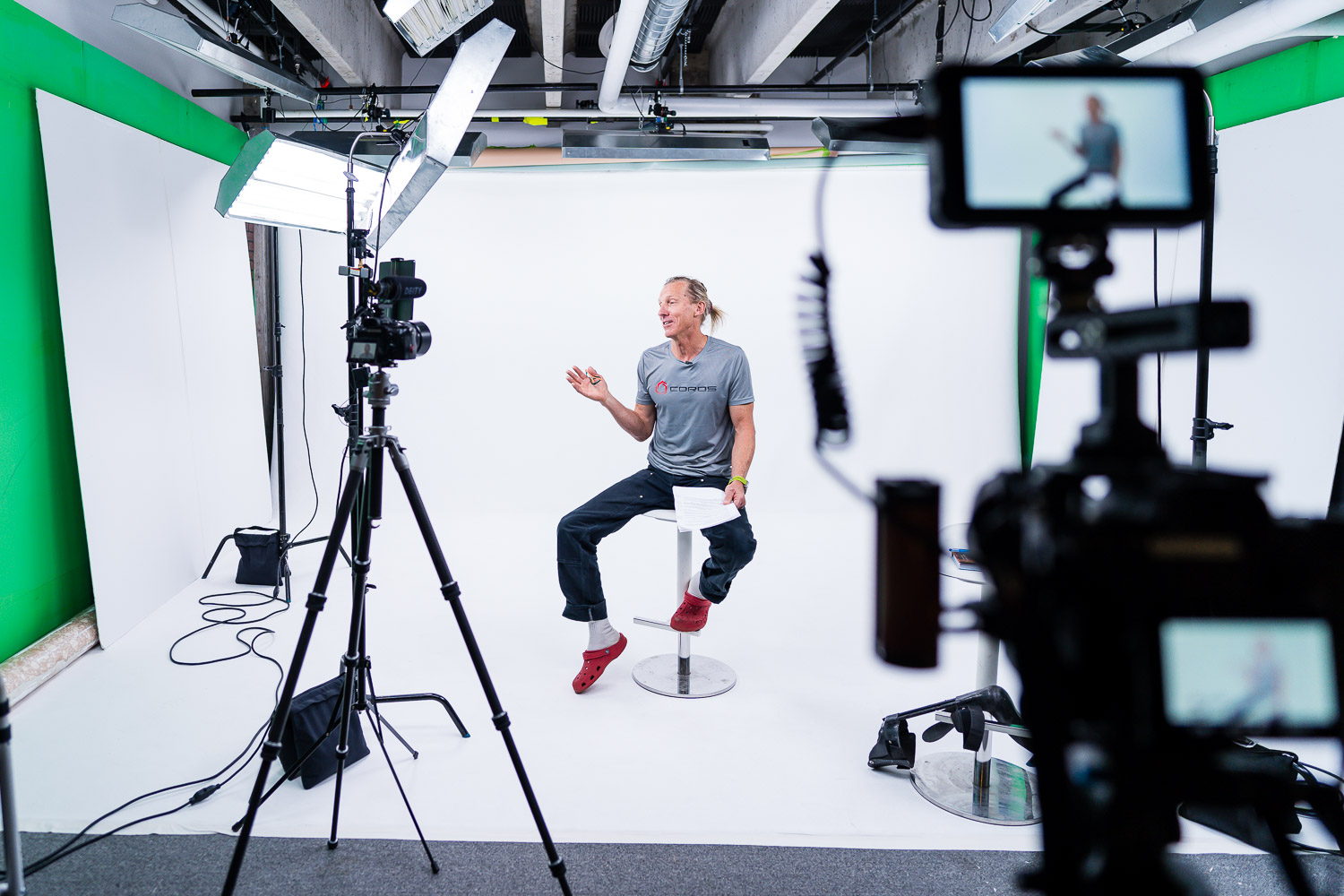
While photographers only need a quick burst of light from a flash or strobe, video production requires a constant light source. LED’s can do this with plenty of power and low energy consumption.
How LED Lights Work: A Technical Overview
LED lights are semiconductors that convert electricity to light
They come in a range of colors, including red, yellow, green, blue, and white
LEDs are energy-efficient and provide a convenient and cost-effective light source for photography and videography
Bi-color lights allow you to adjust the white balance of lights from warm to cool
Benefits of LED Video Lights
Why Use LEDs for Photography Lighting?
LEDs come in a range of styles and sizes, making them suitable for various photography and videography applications
They’re a convenient choice for photographers and videographers who need to see the result of composition before shooting an image
You can easily create video in addition to still images without needing to change the lighting setup
Key Features to Consider
Color Temperature: Understanding Its Impact on Your Footage
Some LEDs like the GVM Bi-Color Lights offer adjustable color temperature for flexibility in shooting
You can use the white balance control to match natural light or existing lights in your scene
You can adjust the color temperature to change the mood of your scene (i.e. warm light on subject with blue hour in the background)
App Control and Remote Adjustments: Streamlining Your Workflow
App control allows for convenient adjustments to brightness and color temperature
Remote adjustments save time and increase efficiency in your workflow
App control is ideal for live events and shooting on location
Durability and Build Quality: Ensuring Long-Term Reliability
Durable and high-quality LED lights ensure long-term reliability
Don’t get a cheap low quality light, get something that will last – the GVM lights are both affordable and good quality
Common Issues to Avoid
Identifying and Replacing a Bad Bulb
Make sure you pick a reputable brand to allow you to replace parts when things break
Regularly check and maintain your LED lights to prevent issues
Types of LED Video Lights
Studio Lights vs. Portable Lights: Choosing the Right Option
Studio lights are ideal for studio photography and videography – they need to be plugged in to the wall
Portable lights are perfect for shooting on location and live events – they run on battery power
You might consider a portable battery source to run your LED studio lights on location
LED Light Panels vs. LED Light Sticks: Understanding the Differences
LED light panels offer a soft, even light output
LED mono lights offer a smaller source but can be modified with diffusers like soft boxes
Making an Informed Purchase Decision
Evaluating LED Video Light Specifications
Consider the brightness and light output of the LED light
Evaluate the color temperature range and adjustability
Check the durability and build quality of the LED light
Top Considerations for Your LED Video Light Purchase
Consider your budget and the value for the price
Think about the specific features you need for your photography and videography
Research and read reviews to ensure you’re making an informed purchase decision
Next up, you might like this travel photography gear list.
Summary
I hope this review and guide was helpful in giving you some information on how to purchase LED lights. I’ve found LED video lights to be incredible helpful in creating both photos and videos. If you have any specific questions, please leave a comment down below and we will get back to you!