
50mm Lens Guide: Everything You Need to Know
50mm Lens Guide: Everything You Need to Know About the Nifty Fifty
There’s a reason the 50mm lens is one of the most popular lenses of all time. It’s versatile, affordable, lightweight, and downright magical when you know how to use it. This is why this lens has earned the nickname “nifty fifty.”
Whether you’re just starting out in photography or you’ve been at it for a while, the 50mm deserves a spot in your bag, and this post will show you why. The 50mm is a must-have whether you’re shooting portraits, travel, weddings, or just everyday life. I’ve used 50mm lenses for weddings, travel, portraits, adventure work, commercial photography, and even video work.
In this post, I’ll break down everything I’ve learned so you can decide if it’s right for you, and which version to buy. You’ll learn everything you need to know about the 50mm lens: what makes it special, how it compares to 35mm and 85mm lenses, and my gear recommendations to help you decide which version is best for your camera and shooting style.
*this video says 55 but that is just because Sony makes a nice 55mm lens and it’s basically the same as a 50mm.
What Is a 50mm Lens?
A 50mm lens refers to its focal length, 50 millimeters. On a full-frame camera, this closely mimics the natural field of view of the human eye, making it feel intuitive to shoot with. That’s part of its charm: what you see is what you get. Some people say they see more like a 35mm so it’s a bit of a personal preference but 50mm is a great lens regardless.
On a crop sensor (APS-C), a 50mm lens acts more like a 75–80mm, which gives you more reach and a tighter frame, great for portraits. Alternatively, you can use a 35mm lens on APS-C sensor cameras and it acts similarly to a 50mm. You may notice a slight difference in the distortion of the images but it’s slight.
Having to do equivalent focal length math and having to think about distortion is often why I encourage people to get a full frame camera. They are now affordable enough that you can get one as your first camera without breaking the bank.
50mm lenses are prime lenses, meaning they have a fixed focal length. This simplicity comes with some big benefits: they’re often sharper, faster (wider apertures), and smaller than zooms. These lenses often open up to their maximum aperture of f/1.8, f/1.4, or even f/1.2, which gives you more creative control over depth of field and lets in much more light – great if you’re shooting at night.
If you’re new to the term, “prime” simply means you can’t zoom in or out, you have to physically move to reframe your shot. That might sound limiting, but most photographers find it liberating – except when you are photographing rock climbing 😉
Why Photographers Love the 50mm Lens
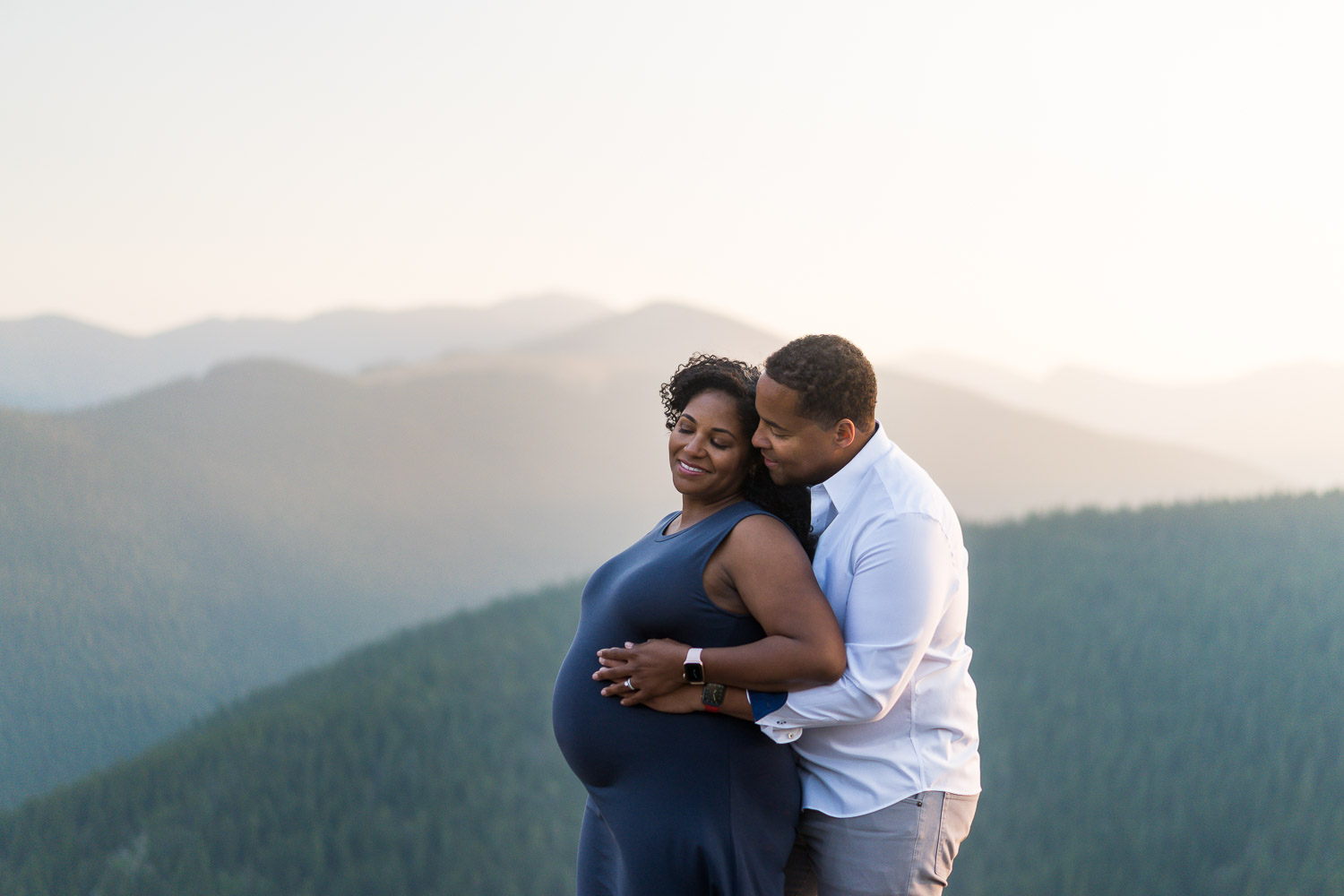
Let’s talk about why the 50mm has become such a fan favorite:
- Natural Perspective – It’s incredibly easy to compose with because it closely resembles the way we see the world. Images feel true-to-life and engaging.
- Low-Light Performance – With apertures like f/1.8, f/1.4, or even f/1.2, you can shoot in dim conditions without cranking your ISO. It’s one of the best low-light performers in any kit.
- Lightweight and Discreet – The 50mm is small and easy to carry, making it perfect for travel or documentary-style work. It’s also less intimidating when photographing people.
- Budget-Friendly – Every camera brand makes a 50mm f/1.8, and they’re usually the cheapest way to get a fast lens with shallow depth of field. It’s often a photographer’s first upgrade from a kit lens.
- Beautiful Bokeh – That dreamy, blurry background? The 50mm gives you that, especially at wider apertures. Perfect for portraits and artistic shots.
In short, it’s the lens that helps you do more with less.
Best Uses for a 50mm Lens
In this section, we’re going to talk about the top uses for the 50mm focal length. This lens is great for everything from portrait photography to landscape photography. And as I already mentioned, since it’s inexpensive compared to other lenses, it’s great for beginner photographers.
Which doesn’t mean you won’t still find it in the camera bag of a seasoned pro. It’s a great focal length when you can only take one lens or when you find yourself relying on your other lenses too much and are looking for some focal length variety.
With its compact size, there’s always enough room to bring this focal length in your bag for portrait sessions or travel. Here’s where the 50mm really shines:
Portraits with the 50mm Lens

Whether you’re shooting couples, families, or headshots, the 50mm gives your portrait photography a flattering look without being too zoomed in on the subject. You can still include some background, but keep your subject front and center. It works well both outdoors and in natural light setups indoors.
You’ll want to be aware of the depth of the field of this lens. Apertures wider than f/5.6 are often not suitable for group shots with the 50mm lens, and you might want a wider lens for that use. However, for many, the 50 is the sweet spot between wide enough to capture everything without introducing distortion.
Your subject will love how they look when you shoot them with the 50, as it’s similar to how most people see the world. It’s not as “flattering” or slimming as the popular portrait lens, the 85mm, but the 50 is still an excellent choice.
Weddings with the 50mm Lens
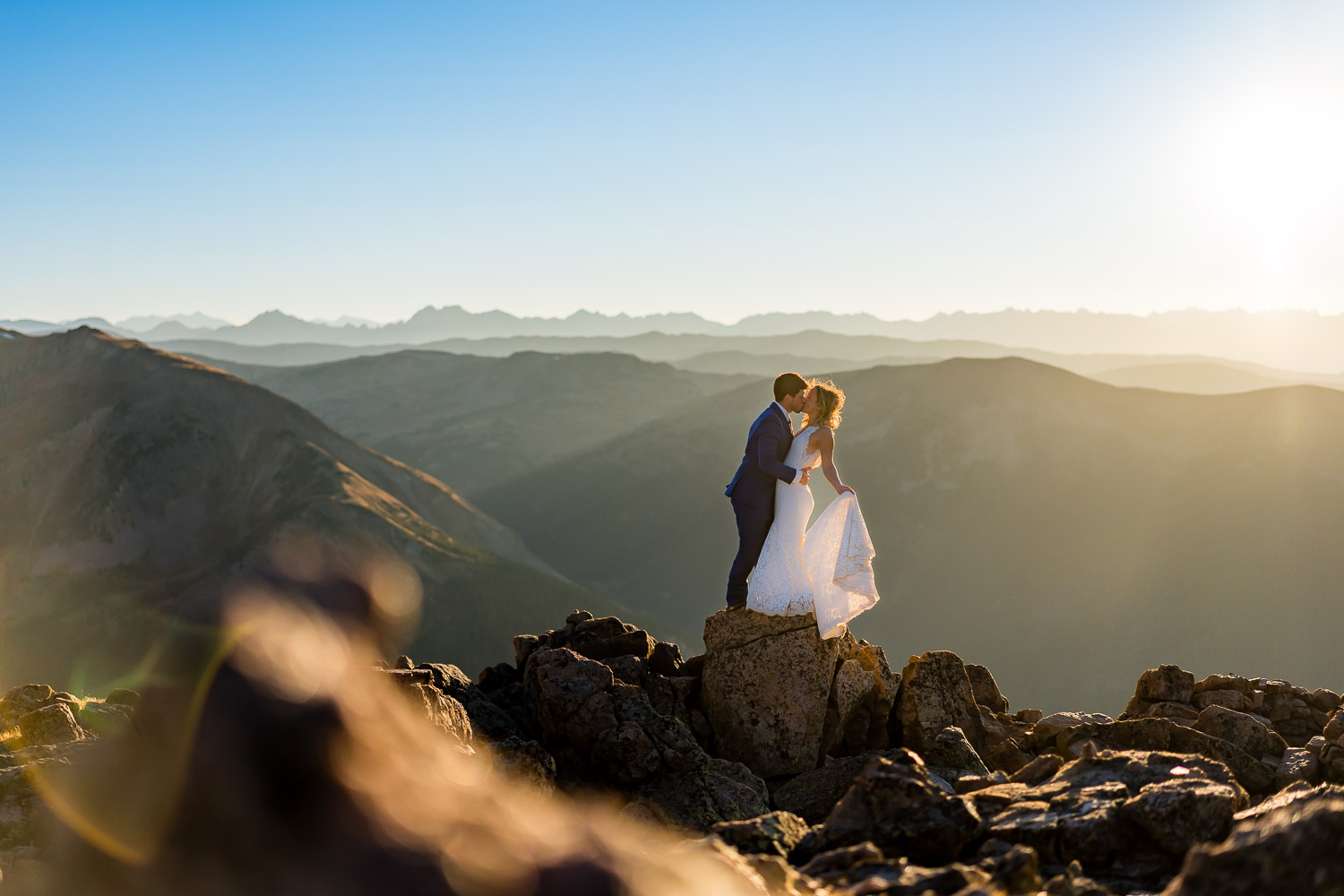
It’s one of my go-to lenses for wedding photography, especially for prep shots, details, and candid moments. It’s fast, quiet, and versatile. You can move from capturing rings and florals to emotional moments without switching lenses.
In tight spaces, the 50mm might not be as flexible as the 35mm. But when we’re able to do group shots outside, it’s a fantastic choice because it is versatile. While many wedding photographers shoot with a 35mm and 85mm, I find that there are times when I turn to my 50 because the 35 is too wide or the 85 is too tight.
Especially for beginning wedding photographers, this lens is a great alternative to a kit lens for shooting weddings because it’s affordable. The important thing to remember is that your vision is what helps you tell the story, not your focal length. But if you want help choosing the right focal length, that’s what I’m here to do!
Travel with the 50mm Lens
You don’t want to lug around heavy gear when exploring a new city. A full-frame 50mm gives you stunning results in a tiny package. It also helps you blend in—people often don’t even realize you’re taking their photo. It’s the perfect walkaround lens for both urban and rural adventures.
This lens is lightweight, affordable, and versatile, all the things I’m looking for in glass that I’m going to bring on a trip. You might care more about focal length variety and lean towards a zoom lens, but sometimes the constraint of a fixed focal length helps your creativity. You can use the 50 to capture details, landscapes, people, and all the things that you love about your travel.
There aren’t many situations where you can’t make a great photo with this focal length. It’s a friendly perspective that lends itself to many beautiful compositions. Where does it struggle? You might want compression of a longer focal length, or the immersive feel of something wider to capture a vast scene.
Street Photography with the 50mm Lens
The discreet nature of the 50mm makes it perfect for capturing real life without drawing attention. You’ll look less like a pro with a giant lens and more like a curious observer, which helps people act naturally. Many photographers find the 50mm lens too tight for street photography and prefer the 35mm, but you’ll have to try it for yourself and decide.
Most of the street photography I shoot is more like travel photography, as I discussed above. Most people have strong opinions when it comes to their specialty, so I’ll defer to street photographers for what’s most important. But for my uses, the 50 works great!
Indoor Photography with the 50mm Lens
The 50, especially with a low aperture, is a great choice for indoor photography. It performs well in low light and doesn’t distort people or architectural features. With a wide aperture, you can shoot indoors without a flash. In confined spaces, you might have trouble fitting everything into the frame, but it works for larger rooms.
This lens is great for lifestyle sessions or documenting everyday life. Whether you’re capturing a quiet morning at home or a cozy dinner gathering, the 50mm delivers. There are some limitations, for example, shooting group portraits may require more space when using a 50mm lens indoors.
I show a lot of this in my YouTube video about the 50mm lens if you want to see how I use it on real shoots.
50mm vs. 35mm vs. 85mm: How Do They Compare?
Let’s talk about how the 50mm compares to other popular mid-range focal lengths. I’ve talked before about how each of these lenses tells a story a little differently.
35mm
The 35mm is well known for environmental portraits, street photography, and capturing the full scene. Due to its wider field of view, it allows you to capture more of the background and context, which is ideal for travel and lifestyle work. There is a potential for distortion when your subject is close to the lens.
50mm
The 50mm falls right in the middle and is great for general-purpose, portraits, and events. This lens gives a natural perspective and is very balanced, versatile, and natural. It may require cropping for tighter shots or stepping back for wider shots but it isolates the subject a bit without losing the connection to the environment.
85mm
The 85mm is known for close-up portraits because of the beautiful compression. It’s considered very flattering for faces due to the compression, but since it’s tighter, it’s less versatile and requires more space to be able to shoot. The 85mm gives that classic headshot look, with smooth bokeh and subject separation.
Each lens has its strengths, but the 50mm stands out for its adaptability across various scenarios. If you’re trying to decide which to get, the 50mm is often the best starting point. It forces you to move your feet and learn composition, but isn’t so wide that it distorts faces or scenes.
Which 50mm Lens Should You Buy?
Nearly every camera brand has a version of the 50mm. Some even have three or four!
The 50mm focal length works well for both full-frame and crop-frame cameras. When using a crop sensor camera, a 50mm lens behaves like a 75mm lens, which may require you to back up to fit subjects in the frame.
Here’s a quick breakdown by brand:
Canon (RF and EF Mounts)
- Canon RF 50mm f/1.8 STM – Great mirrorless nifty fifty – inexpensive and good quality
- Canon RF 50mm f/1.4 – Great high quality option, cheaper than the f/1.2
- Canon RF 50mm f/1.2L – Top-tier glass with gorgeous rendering, and pro-level performance.
- Canon EF 50mm f/1.8 STM – Classic nifty fifty for DSLR users on a budget.
The Canon EF 50mm f/1.8 STM lens produces sharp images when shot wide open. The Canon EF 50mm f/1.8 STM lens is particularly praised for its build quality and value as an entry-level option. Photographers find that the Canon EF 50mm f/1.8 STM lens captures stunning images in low light situations due to its wide aperture. It will feel very exciting, especially if it’s your first prime lens after using a kit lens with a minimum aperture of f/4 or higher.
Nikon (Z and F mount)
- Nikon Z 50mm f/1.8 S – One of the sharpest 50mm lenses out there.
- Nikon Z 50mm f/1.4 – faster but actually cheaper than the f/1.8 above
- Nikon Z 50mm f/1.2 – a massive lens but very fast and top quality
- Nikon 50mm f/1.4G – Older DSLR lens, still solid for portrait work.
Sony (E Mount – full Frame)
- Sony 50mm f/1.4 – Great quality option that is cheaper than the f/1.2 version
- Sony 50mm f/1.2 GM – Premium Lens with beautiful bokeh, fast AF, and top performance.
- Sony 55mm f/1.8 – My current choice – good quality, good price: especially used
- Sony 50mm f/1.8 – Budget-friendly and small. Some quality concerns but good enough for some
- Samyang 50mm f/1.4 – Another good value option with fast aperture – sometimes out of stock – also available under the brand name Rokinon
Fujifilm (APS-C)
- Fujifilm XF 35mm f/1.4 – Equivalent to a 50mm on crop, legendary lens known for its character.
- Fujifilm XF 33mm f/1.4 – A modern take with faster autofocus and clinical sharpness.
Panasonic/Olympus (Micro Four Thirds)
- Olympus 25mm f/1.8 – Compact and capable.
- Panasonic Leica 25mm f/1.4 – A bit pricier but optically excellent with lovely rendering.
Also consider third-party lenses from Sigma, Tamron, and Viltrox—they often offer great performance at lower prices. Sigma’s Art series, in particular, has earned praise for sharpness and build quality.
Shooting Tips for the 50mm
If you’re new to primes or used to zooms, the 50mm can feel limiting at first. Here are some tips to get the most out of it:
Move your feet
Want to zoom in? Step closer. Need a wider scene? Step back. It’ll improve your composition skills to learn to zoom with your feet.
This is why a fixed focal length is such a great tool for your creativity. Learning not to settle for your first shot, but move around and find a better composition. Keep learning and keep growing.
Shoot something wide or close, near or far, and explore the variety you can create with this lens. You can also use the 50mm to get pretty close and shoot details. The minimum focusing distance for a 50mm lens is about 45 cm, which limits how close you can get to your subject.
Shoot wide open for Bokeh!
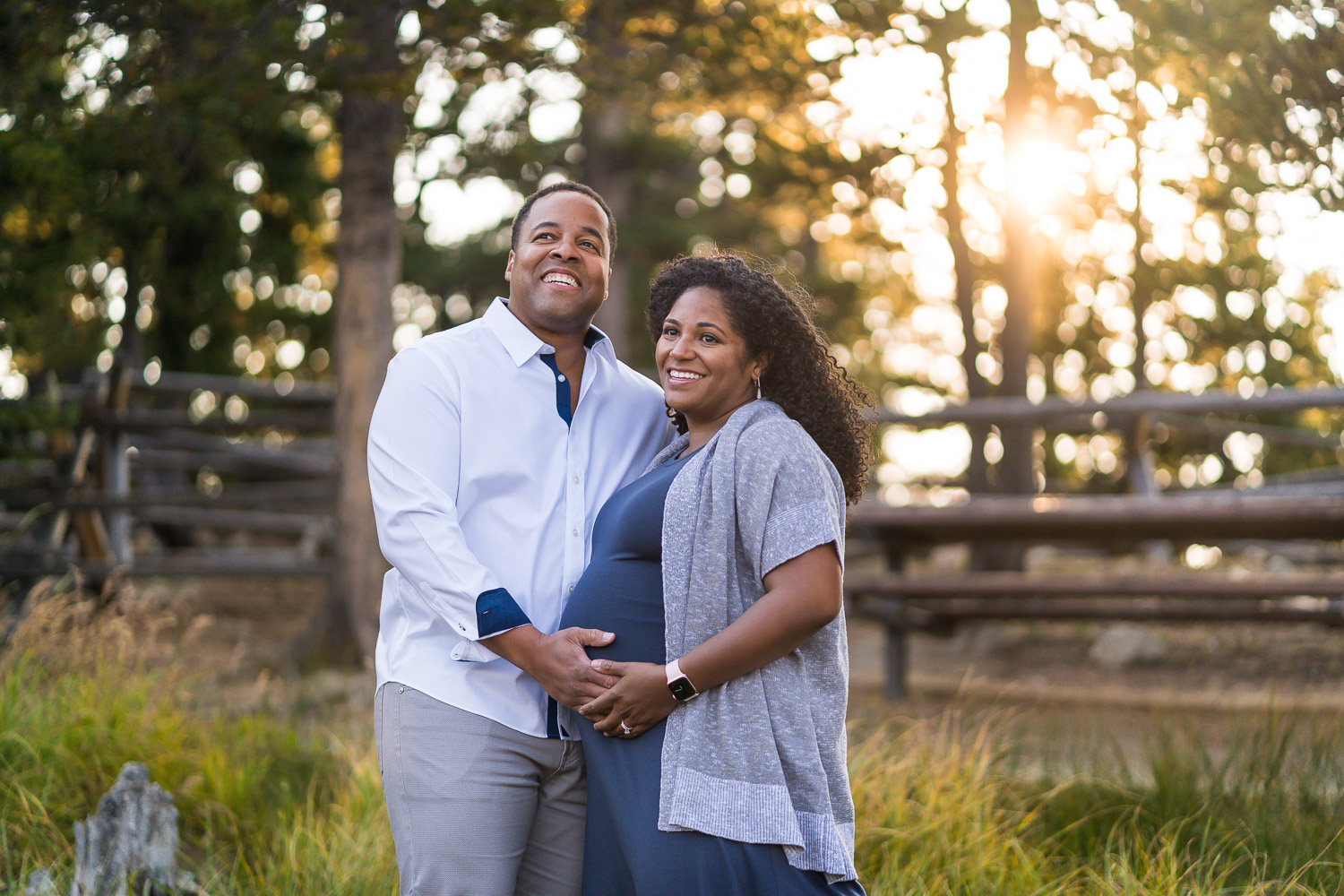
Try f/1.8 or f/1.4 for that dreamy depth of field. Just be careful with your focus—it’s razor thin! For group shots with a 50mm lens, it’s best to set the aperture between f/5.6 to f/8 for greater depth of field.
But if you have one subject, use that low aperture to your advantage. This is why I encourage photographers to learn to shoot in manual. So that you’re intentional about the settings you choose to use rather than just snapping a picture.
I love that the 50 provides a wider angle than the 85mm while still providing that shallow depth of field. Depth creates dimension in your photos. Use it! Another note on settings, using a shutter speed of at least 1/100 second is advisable when shooting with a 50mm lens to avoid motion blur.
Watch your edges for sharp images
At wider apertures, keep your subject centered for best sharpness. Some lenses get a little softer at the corners. While you’re not worried about distortion with this lens like you would be with a wider lens, it’s good to be aware of the limitations of your lenses.
Use backlight
The 50mm handles flare well, and backlighting can create a magical glow. It’s perfect for golden hour or indoor window light. I love shooting backlight as long as I’m careful to ensure my images are still sharp.
I find that the backlight is more beautiful at 50 and longer than it is with a wider lens.
Focus on details
Even though it’s not macro, you can get surprisingly close. Try photographing textures, hands, or small scenes with intention. Using a 50mm lens forces you to think more about composition and focus on arranging elements within the frame.
When shooting in close on stationary subjects, you’ll want to consider using manual focus. Manual focus is a great option when you’re too close for autofocus. The more you practice with it, the more second nature it becomes. Make sure to turn on focus peaking if your camera has it – subjects in focus will display with a color overlay indication.
Final Thoughts on the 50mm Lens
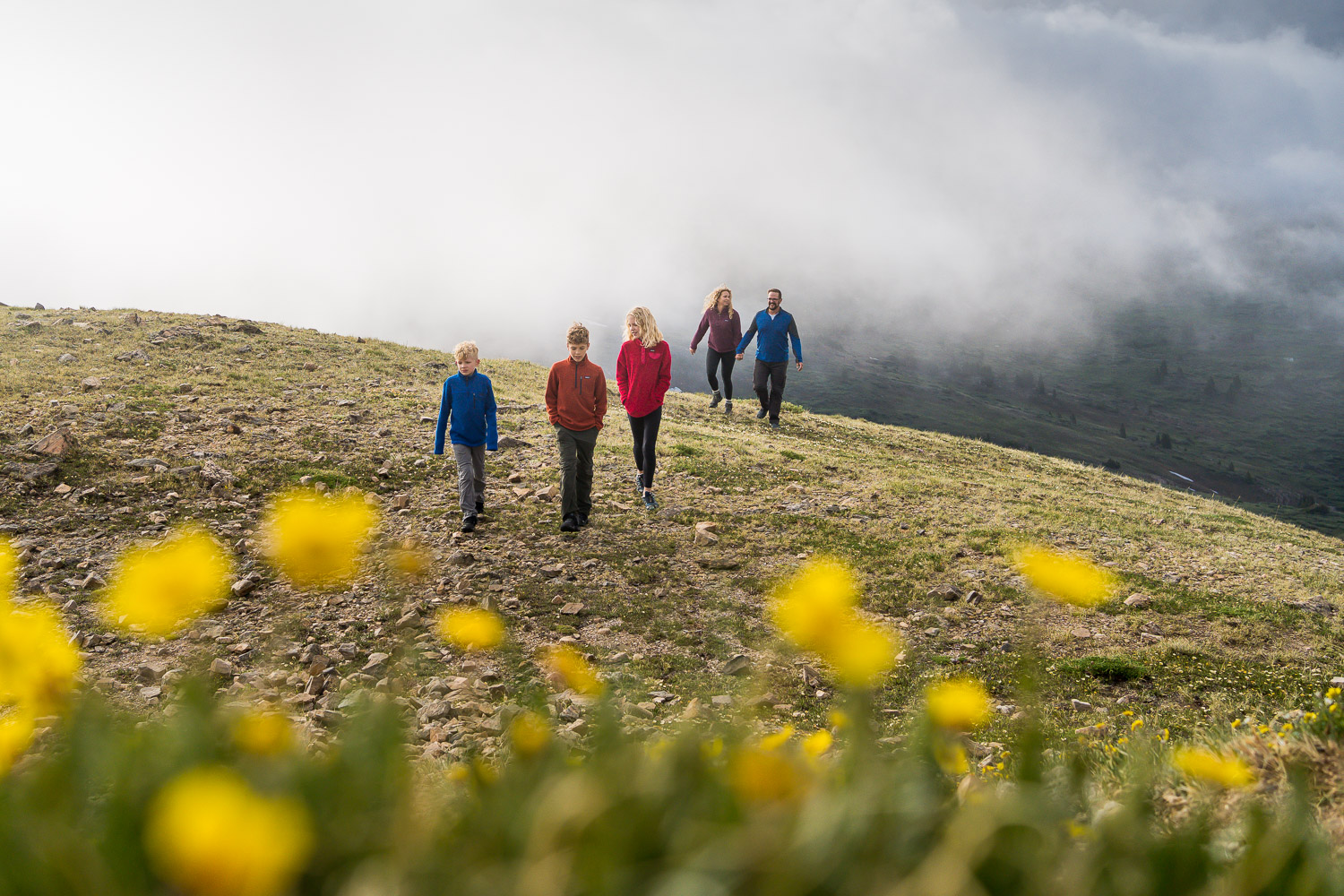
The 50mm lens isn’t just a beginner’s lens—it’s a forever lens. I still reach for mine regularly, even with a bag full of pro gear. It’s a reminder that photography doesn’t have to be complicated. Sometimes, all you need is one great lens, a reliable camera, and your creative eye.
If you want something that’s sharp, light, budget-friendly, and incredibly versatile, the nifty fifty might just be your new favorite lens.
Got questions? Drop them in the comments or check out the video below for more real-world shooting with a 50mm!
Similar Content on the Blog
Looking for longer focal lengths for your full-frame cameras? We have content on some of the ideal focal lengths for every scenario. Learn everything you need to know about the 85mm focal length. And check out this 35mm to 50mm comparison.
On the blog find everything you need to know about drone photography, a comparison of mirrorless and DSLRs, our best gear for night photography, or our favorite Peak Design backpacks.
- Travel Photography Gear List and Tips
- 35mm Lens Guide
- 85mm Lens Guide
- Adventure Photography Gear Guide
Have questions? Reach out, we’re here to help!
About the Authors
We’re the Bergreens, a husband-and-wife photography team based in Evergreen, Colorado. On our blog, we share gear tips, creative insights, and lessons from over a decade of shooting professionally. Dive into our favorite guides, from drone photography accessories to ND filters, or learn how to shoot with your favorite focal length.
Curious how 35mm and 50mm lenses compare? We’ve got you covered there too. We also offer free resources to help photographers thrive—whether you’re building a creative business or just trying to figure out what gear you really need. Download our Creative Business Guide or our Money + Gear Guide for Photographers to get started.
Got questions? Contact us—we’re always happy to help. And just so you know, some product links are affiliate links, which means we may earn a small commission (at no cost to you) if you make a purchase through them. It’s a great way to support the blog and we only recommend gear we actually use and love.